Shanghai Gokai Industry Co,.Ltd.
Call Us: +86-18918606548
Call Us: +86-18918606548
- Product Name
- Product Keyword
- Product Model
- Product Summary
- Product Description
- Multi Field Search
Views: 262 Author: Gokai Publish Time: 2026-07-29 Origin: Site


Content Menu
● Why Artwork Deteriorates Over Time
● Why Plastic Framing Works for Preservation
>> 3. Impact and handling damage
● Choosing the Right Framing Material
● Archival Framing Details That Matter
● How to Preserve Artwork Step by Step
● Maintenance for Long-Term Display
● Why This Matters for OEM and B2B Buyers
● What Makes a Framing System Truly Protective
● FAQ
>> 1. Is acrylic better than glass for artwork framing?
>> 2. Can acrylic protect artwork from UV damage?
>> 3. What kind of artwork benefits most from plastic framing?
>> 4. How should I clean framed acrylic?
>> 5. Does humidity affect framed artwork?
>> 6. What materials should be avoided in archival framing?
Artwork deserves more than a decorative frame. It needs the right protection from light, humidity, handling, and everyday impact so its color, surface, and structure can last for years. For galleries, collectors, artists, and brands displaying prints or originals, plastic framing solutions with UV-filtering acrylic can be a practical way to preserve visual quality while keeping the piece on view.

Artwork changes slowly, but the damage is often permanent once it appears. Light exposure can fade pigments, humidity can encourage mold or warping, and physical contact can scratch or break fragile surfaces. Even well-framed pieces can degrade if the glazing, backing, and seal are not chosen with preservation in mind.
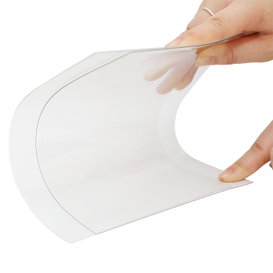
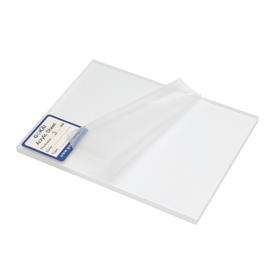
Plastic framing solutions are widely used because they combine clarity, light weight, and impact resistance. Compared with traditional glass, frame-grade acrylic is easier to handle, less likely to shatter, and available in UV-filtering versions designed for artwork display. A&C Plastics notes that frame-grade acrylic can absorb up to 98% of UV rays, helping reduce fading and discoloration in framed pieces.
For businesses, museums, and home collectors, that creates a strong balance between presentation and protection. Plastic framing is also useful in high-traffic areas where breakage risk matters, since acrylic is more impact resistant than glass.
Sunlight and fluorescent lighting can gradually weaken paper, photos, and painted surfaces. Over time, this leads to fading, yellowing, and loss of contrast. UV-filtering acrylic helps reduce this risk by blocking a high percentage of harmful rays.
Humidity is one of the most overlooked causes of artwork damage. Excess moisture can cause paper to ripple, frames to swell, and mold to develop behind the glazing. Stable conditions are important, with conservation guidance commonly recommending moderate temperature and relative humidity ranges rather than wide swings.
Shipping, installation, and routine cleaning all create opportunities for damage. Acrylic and polycarbonate offer greater shatter resistance than glass, which is especially valuable for retail displays, public spaces, and large-format framing.
The best material depends on the artwork type, location, and budget. Different plastic options offer different strengths.
| Material | Best for | Main advantage | Consideration |
|---|---|---|---|
| UV-filtering acrylic | Prints, posters, photos, valuable artwork | Strong UV protection and clear viewing | Can scratch if cleaned improperly |
| Polycarbonate | Public spaces, schools, high-risk areas | Excellent impact resistance | May not be the first choice when optical perfection is the priority |
| Standard acrylic | General framing needs | Lightweight and easier to install | Less specialized than UV-filtering grades |
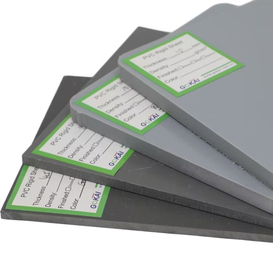
| PVC-based options | Temporary or cost-focused displays | Budget-friendly and light | Not ideal for long-term preservation |
For most preservation-focused applications, frame-grade UV-filtering acrylic is the strongest all-around option because it supports display quality while reducing light damage.
A good frame is only part of the preservation system. The backing board, matting, and mounting method matter just as much. Conservation framing uses acid-free, lignin-free, and reversible materials to avoid chemical damage over time.
Best practices include:
- Using acid-free mat board and backing.
- Avoiding pressure-sensitive tapes, glue, or irreversible adhesives.
- Leaving a small air gap where appropriate to reduce sticking and condensation.
- Matching the framing method to the artwork's medium and sensitivity.
These details are especially important for works on paper, limited-edition prints, certificates, and historical documents.
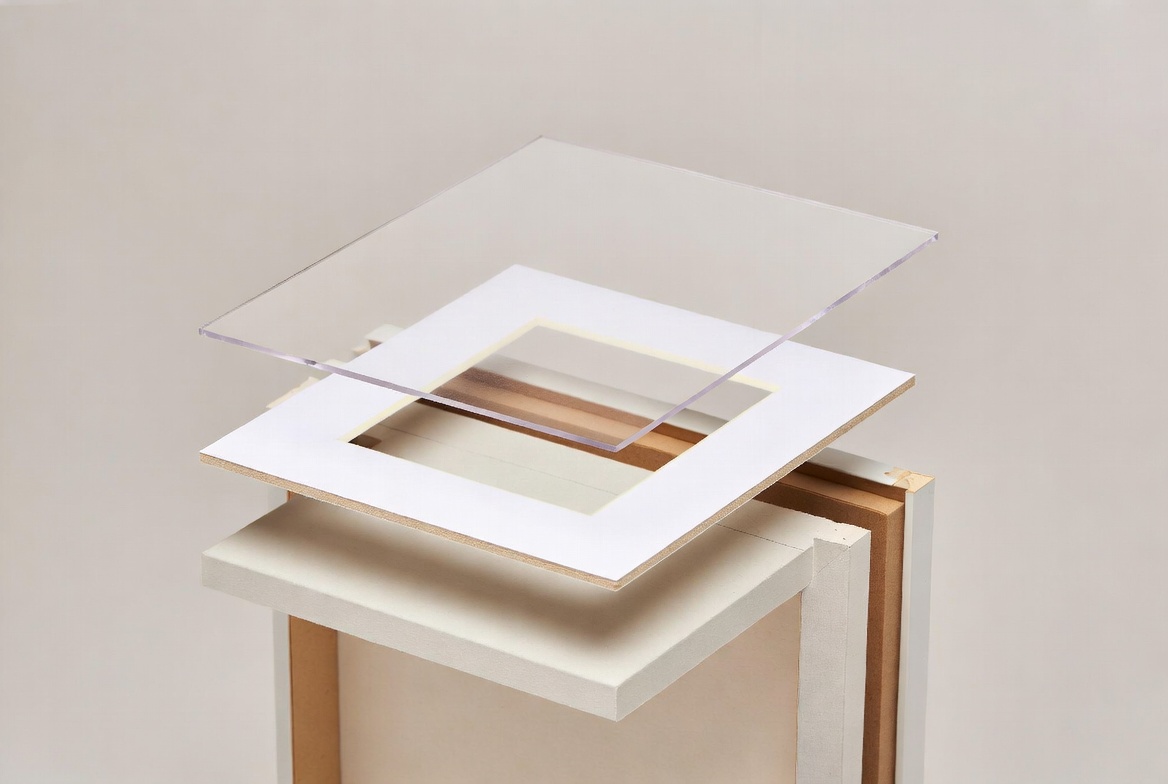
If you want a practical method, use this workflow.
1. Inspect the artwork for existing damage before framing.
2. Choose UV-filtering acrylic for artwork exposed to strong light.
3. Use acid-free matting and archival backing.
4. Seal the frame carefully to reduce dust and moisture entry.
5. Place the artwork away from direct sunlight, heaters, and damp walls.
6. Clean the glazing gently with non-abrasive products made for plastic.
This simple process helps preserve both appearance and material stability. It also reduces the chance that a beautiful piece becomes expensive to restore later.
Preservation does not end after installation. Framed artwork should be checked periodically for dust, warping, condensation, and discoloration. Cleaning should be gentle, using microfiber cloths and plastic-safe cleaners rather than harsh chemicals or abrasive pads.
A good maintenance routine includes:
- Monthly visual inspection.
- Careful dust removal around edges and corners.
- Humidity monitoring in rooms with valuable pieces.
- Reframing when materials age or the display environment changes.
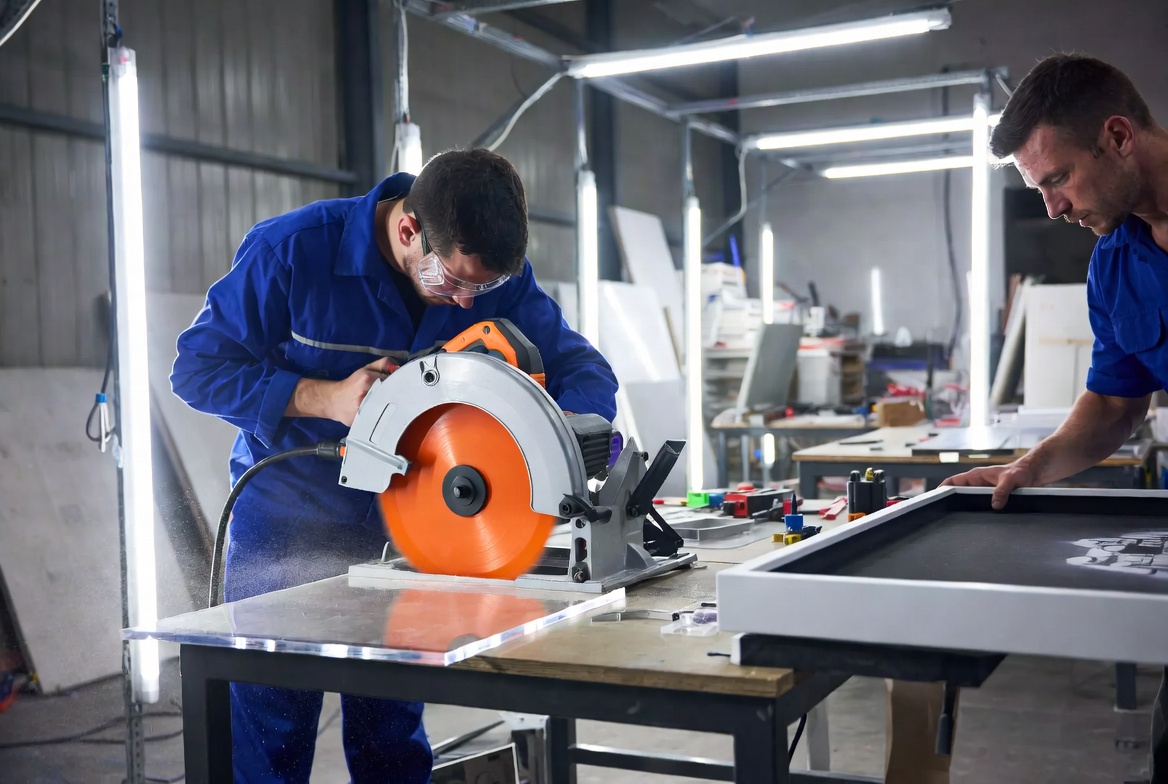
For suppliers, galleries, and distributors, plastic framing is not just a protective product category. It is a value-added display solution that supports premium presentation, safer shipping, and lower breakage risk. For export-focused manufacturers, offering cut-to-size acrylic sheets and custom frame-grade options can support multiple buyer segments, from art framing to retail and institutional display applications.
This is also where OEM capability becomes important. Buyers often need specific thicknesses, optical finishes, UV-filtering grades, and custom dimensions for different markets and display standards.
In practice, preservation is not about one product. It is about a complete system working together: glazing, backing, matting, sealing, handling, and environment. A UV-filtering acrylic sheet can help significantly, but it performs best when paired with stable room conditions and archival framing materials.
That is why the best framing strategies focus on prevention first. Once fading, mold, or surface deterioration begins, recovery becomes harder, more expensive, and sometimes impossible.
If you need custom acrylic sheet solutions for artwork framing, display protection, or OEM supply, choose a partner that can deliver consistent quality, custom sizing, and UV-filtering performance. For brands and distributors, the right acrylic framing material can improve both product value and customer satisfaction.
Yes, in many preservation and display cases. Acrylic is lighter, more impact resistant, and available in UV-filtering grades that help reduce fading.
UV-filtering acrylic can block a large share of damaging rays and help slow color fading. It is especially useful for artwork displayed near windows or under bright lighting.
Works on paper, photographs, posters, limited editions, and retail display pieces benefit most because they are often sensitive to light, moisture, and handling.
Use a microfiber cloth and a plastic-safe cleaner. Avoid abrasive pads, ammonia-based products, and rough wiping that can scratch the surface.
Yes. High humidity can cause warping, mold, and condensation inside the frame. Stable temperature and humidity are essential for long-term preservation.
Avoid acidic backing, non-reversible adhesives, and low-quality mats that can damage the artwork over time.
- [Acme Plastics — How to Protect and Preserve Your Artwork with Plastic Framing Solutions]
- [A&C Plastics — Maintaining Framed Pictures With Acrylic Sheeting]
- [Acme Plastics — Frame Grade Acrylic Sheets]
- [A&C Plastics — UV Filtering Acrylic Sheets for Display Protection]
- [Museum Conservation Guidance — Preventive Conservation]