Shanghai Gokai Industry Co,.Ltd.
Call Us: +86-18918606548
Call Us: +86-18918606548
- Product Name
- Product Keyword
- Product Model
- Product Summary
- Product Description
- Multi Field Search
Views: 222 Author: Gokai Publish Time: 2026-04-17 Origin: Site


When clients ask me whether they should choose Lucite or acrylic sheet for a project, my honest answer is: you are really choosing between different grades and brands of the same base material—PMMA—but those choices still matter for clarity, durability, cost, and branding. From years of working with OEM customers across furniture, signage, and construction, I have seen that understanding these nuances directly improves product performance, lifecycle cost, and end‑user satisfaction. [firstimpressionsint]
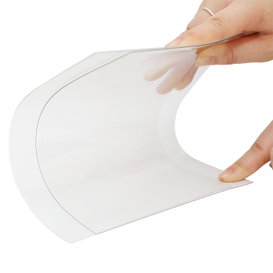
Lucite and generic acrylic are both plastics made from polymethyl methacrylate (PMMA), a clear, rigid thermoplastic known for its glass-like transparency and good weatherability. You can think of acrylic as the generic material name, and Lucite as a trademarked brand produced to tight quality standards for optical clarity and durability. [chempoint]
From a technical standpoint, PMMA is an amorphous polymer with a refractive index around 1.49, which explains its excellent light transmission—up to about 92%, similar to glass. Common trade names you might encounter on drawings and RFQs include Lucite®, Plexiglas®, Acrylite®, and others, all referring to high‑quality acrylic products with specific formulations and certifications. [ipolymer]
For most real‑world projects, Lucite and acrylic behave similarly because they share the same base chemistry, but there are subtle performance distinctions that matter in premium applications. As a supplier, I usually frame the comparison across clarity, UV resistance, chemical resistance, and cost. [industrialspec]
- Material family: Both are PMMA and offer high transparency, low moisture absorption, and good dimensional stability. [firstimpressionsint]
- Weight and strength vs glass: Both are lightweight and significantly more impact resistant than standard glass, while still feeling rigid and solid in everyday use. [coloradoplastics]
- Weatherability: Both exhibit excellent resistance to outdoor weathering and maintain clarity without rapid yellowing under normal UV exposure. [industrialspec]
- Optical clarity: Lucite often has a slightly higher refractive index and tighter quality control, giving a clearer, "crisper" look in high‑end furniture and glazing. [chempoint]
- UV resistance: Premium Lucite grades may offer somewhat better UV stability and reduced micro‑hazing over extended outdoor use, which is valuable for architectural and automotive components. [firstimpressionsint]
- Chemical resistance: Lucite can show better resistance to common cleaning agents and alcohol‑based products, lowering the risk of surface crazing in environments with frequent cleaning. [chempoint]
- Brand perception: In residential interiors and luxury retail, "Lucite" is often used in marketing to signal a premium, design‑forward product, even when the base material is acrylic. [keekea]
| Factor | Lucite PMMA (Brand) | Generic Acrylic Sheet (PMMA) |
|---|---|---|
| Material type | Branded PMMA acrylic with controlled formulations (firstimpressionsint) | PMMA acrylic from various producers (firstimpressionsint) |
| Optical clarity | Very high, often "crystal clear" for premium uses (firstimpressionsint) | High clarity; may vary with grade and supplier (firstimpressionsint) |
| UV/weather resistance | Slightly enhanced UV stability for select grades (firstimpressionsint) | Generally excellent UV and weather resistance (firstimpressionsint) |
| Chemical resistance | Better resistance to some cleaners and alcohols (firstimpressionsint) | Good overall, but more prone to stress‑crazing with harsh cleaners (industrialspec) |
| Typical applications | High‑end furniture, jewelry, automotive lenses (firstimpressionsint) | Signage, aquariums, shields, glazing, displays (firstimpressionsint) |
| Cost level | Usually higher due to brand and performance (cocochairs) | Wide range from economy to premium grades (firstimpressionsint) |
| Brand perception | Considered a premium design material (firstimpressionsint) | Seen as versatile industrial and architectural material (firstimpressionsint) |

From a project perspective, the choice is rarely "Lucite vs acrylic" in isolation; it is about aligning material grade with application risks and customer expectations. [gokai.com]
- Luxury furniture and décor: Coffee tables, chairs, and lighting fixtures where ultra‑clear edges and a "floating" aesthetic are critical for perceived quality. [keekea]
- Designer jewelry and accessories: Lucite's clarity and machinability make it ideal for hand‑carved jewelry that must resist cracking while staying visually pristine. [firstimpressionsint]
- Automotive lighting and trim: Headlamp covers and exterior trim components benefit from Lucite's clarity, UV resistance, and durability. [chempoint]
- Signage and light boxes: Printed, routed, or back‑lit signage for retail, hospitality, and public environments where impact resistance and aesthetics must balance with cost. [firstimpressionsint]
- Aquariums and tanks: Acrylic's low water absorption, impact resistance, and clarity make it a common choice for aquariums, from small displays to large public installations. [industrialspec]
- Safety shields and partitions: From office partitions and sneeze guards to security glazing, acrylic offers transparent protection without the weight and shatter risk of glass. [coloradoplastics]
- Display cases and POP fixtures: Retailers rely on acrylic for display windows, cabinets, and point‑of‑purchase stands that must be both durable and easy to fabricate. [plexi-craft]

From an OEM supplier's standpoint, the most expensive material is the one that fails early, not the one that costs slightly more per sheet. When I review drawings with clients, I typically walk through three practical dimensions before choosing Lucite or a generic acrylic grade. [gokaiplastic]
- High UV, harsh cleaners, or constant public contact (e.g., hotel lobbies, public transit): A higher‑end PMMA grade with strong UV and chemical resistance can dramatically extend service life. [industrialspec]
- Controlled indoor environments (e.g., corporate signage, office partitions): A good quality cast acrylic sheet usually offers an excellent balance of performance and cost. [gokai.com]
- If the product is marketed as a luxury or design object, the small optical advantage and brand recognition of Lucite can justify the cost. [cocochairs]
- For functional industrial components where branding is secondary, a well‑specified acrylic grade is often the smarter choice. [gokai.com]
- Lucite or premium acrylic may reduce warranty claims, yellowing complaints, and replacement labor in tough environments. [chempoint]
- For cost‑sensitive projects with moderate demands, a robust OEM acrylic sheet from a reliable producer can deliver excellent total value. [gokaiplastic]
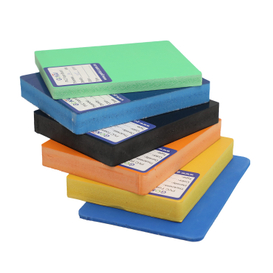
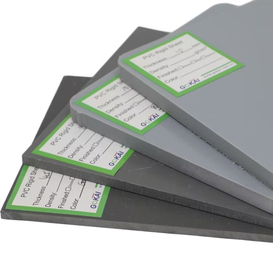
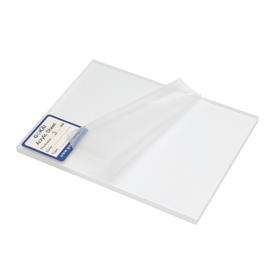
As a dedicated acrylic sheet and board supplier, Gokai focuses on providing stable quality, flexible sizing, and OEM support for global B2B clients. We mainly produce cast acrylic sheets, clear acrylic sheet, acrylic mirror sheet, and PVC foam boards, with multiple production lines and modern equipment to maintain consistency across large orders. [gokaiplastic]
For OEM customers evaluating Lucite‑grade performance, we work on:
- Material selection by application: Matching sheet type (cast vs extruded), thickness, and surface finish (clear, frosted, mirrored) to end‑use requirements. [gokaiplastic]
- Custom dimensions and colors: Tailored sheet sizes, color matching, and protective masking that integrate smoothly into your fabrication and logistics flows. [gokai.com]
- Technical support: Guidance on machining, bonding, thermoforming, and cleaning, so your teams can process acrylic efficiently while minimizing defects and rejects. [gokaiplastic]
For many projects, our high‑clarity cast acrylic can deliver Lucite‑like aesthetics while giving you more flexibility on format, lead time, and OEM branding. [gokai.com]

To make this actionable, here is a simple decision framework I often use with project managers and designers. [industrialspec]
1. Maximum optical luxury (flagship furniture, boutique retail, art displays): consider Lucite or the highest‑grade cast acrylic available.
2. Balanced performance and cost (signage, partitions, general displays): specify quality cast acrylic sheet from a reliable OEM supplier.
3. Extreme impact or vandal resistance: consider whether you truly need acrylic at all, or whether a different material like polycarbonate is more appropriate. [coloradoplastics]
- Outdoor, high UV, or near saltwater: choose UV‑stabilized PMMA grades and verify warranty terms for color and clarity retention. [firstimpressionsint]
- Frequent cleaning with alcohol or disinfectants: prioritize better chemical resistance; avoid unapproved cleaners that cause stress crazing. [industrialspec]
- Confirm minimum sheet quantities, thickness tolerances, and masking type with your OEM partner before finalizing drawings. [gokaiplastic]
- If thermoforming or complex CNC routing is involved, use cast acrylic grades that your supplier certifies as formable and stress‑relieved. [ipolymer]

Even the best material can underperform if it is handled poorly, so we always emphasize process discipline with our OEM clients. [gokai.com]
- Use sharp, carbide‑tipped tools and suitable feed rates to avoid chipping and stress cracking. [plexi-craft]
- Allow sheets to reach room temperature before machining to minimize internal stress.
- Use adhesives designed for acrylic (PMMA) and follow the manufacturer's recommendations for curing time, ventilation, and clamping. [plexi-craft]
- Avoid mixing incompatible plastics in bonded assemblies without proper testing, as different expansion rates can cause long‑term warping.
- For routine cleaning, a soft microfiber cloth with mild soapy water is usually sufficient, avoiding abrasive pads and ammonia‑based glass cleaners. [plexi-craft]
- For scratch removal, dedicated acrylic polishes can often buff out fine marks; deep gouges typically require refinishing or part replacement. [plexi-craft]

If you are evaluating Lucite vs acrylic for an upcoming project, the fastest way to get to a reliable answer is to review your drawings and performance requirements with a specialist supplier. Gokai's team can help you choose the right acrylic sheet grade, thickness, and surface finish, then support you with OEM customization for global production runs. [firstimpressionsint]
Contact Gokai today to discuss your application, request technical data, or get a tailored quotation for acrylic sheet and related board materials that match Lucite‑level performance where you need it most. [gokaiplastic]
Q1: Is Lucite the same as acrylic?
A: Lucite is a brand of acrylic made from PMMA, while "acrylic" is the general name for this plastic family; in other words, all Lucite is acrylic, but not all acrylic is Lucite. [ipolymer]
Q2: Does Lucite stay clearer than standard acrylic over time?
A: Both materials have excellent clarity and UV resistance, but Lucite grades are often optimized for slightly better optical stability in demanding applications. [chempoint]
Q3: Which is better for outdoor signage: Lucite or acrylic?
A: For most outdoor signage, a good UV‑stabilized acrylic sheet from a reputable OEM supplier performs very well; Lucite may be preferred when maximum clarity and brand perception justify the added cost. [gokai.com]
Q4: How should I clean acrylic or Lucite panels safely?
A: Use a soft microfiber cloth with mild soapy water, avoiding ammonia‑based cleaners and abrasive pads that can cause scratching or stress crazing. [plexi-craft]
Q5: Can Gokai supply custom‑size acrylic sheets for OEM projects?
A: Yes, Gokai specializes in PVC foam board and acrylic sheet production, offering OEM services, custom sheet sizes, and various finishes for global B2B clients. [gokaiplastic]
1. Acme Plastics – "Lucite vs Acrylic: Understanding the Key Differences"
<https://www.acmeplastics.com/content/lucite-vs-acrylic-understanding-the-key-differences-acme-plastics/> [firstimpressionsint]
2. iPolymer – "Typical Properties of Acrylic PMMA"
<https://www.ipolymer.com/pdf/Acrylic.pdf> [ipolymer]
3. Industrial Spec – "Acrylic aka PMMA Chemical Compatibility Chart"
<https://www.industrialspec.com/resources/acrylic-aka-pmma-chemical-compatiblity-chart> [industrialspec]
4. ChemPoint – "What Is Lucite? Discover Properties and Applications"
<https://www.chempoint.com/insights/what-is-lucite-discover-properties-and-application> [chempoint]
5. First Impressions – "Acrylic Vs Lucite: Differences & Benefits"
<https://firstimpressionsint.com/acrylic-vs-lucite-whats-the-difference-either-better-than-glass/> [firstimpressionsint]
6. Colorado Plastics – "Polycarbonate (Lexan) vs Acrylic (Lucite)"
<https://coloradoplastics.com/polycarbonate-lexan-vs-acrylic-lucite/> [coloradoplastics]
7. Keekea – "Difference Between Lucite and Acrylic Chairs"
<https://www.keekea.com/difference-between-lucite-and-acrylic-charis/> [keekea]
8. Plexi-Craft – Acrylic FAQ
<https://www.plexi-craft.com/acrylic-plexiglass-lucite-clear-plastic/> [plexi-craft]
9. Shanghai Gokai Industry Co., Ltd. – Company and Acrylic Sheet Product Pages
<https://www.gokaiplastic.com> [gokaiplastic]
<https://www.gokai.com.cn/acrylic-sheet.html> [gokai.com]