Shanghai Gokai Industry Co,.Ltd.
Call Us: +86-18918606548
Call Us: +86-18918606548
- Product Name
- Product Keyword
- Product Model
- Product Summary
- Product Description
- Multi Field Search
Views: 222 Author: Gokai Publish Time: 2026-04-26 Origin: Site


Understanding plastic recycling symbols is no longer optional—it's essential for responsible consumption and sustainable manufacturing. Despite global efforts, only 9-10% of plastic waste gets recycled worldwide, making proper identification and sorting more critical than ever. As a manufacturer specializing in acrylic sheets and plastic materials, I've witnessed firsthand how confusion about these symbols leads to contamination in recycling streams and missed opportunities for material recovery. [oceanblueproject]
The triangular "chasing arrows" symbol appearing on plastic products often misleads consumers into believing every marked item is recyclable. In reality, this resin identification code (RIC) serves a different purpose: it identifies the type of plastic polymer used in manufacturing, not whether your local facility can process it. The number inside (1-7) and accompanying abbreviation help waste management professionals sort materials, but actual recyclability depends on local infrastructure, contamination levels, and market demand for recovered materials. [ricketyroo]
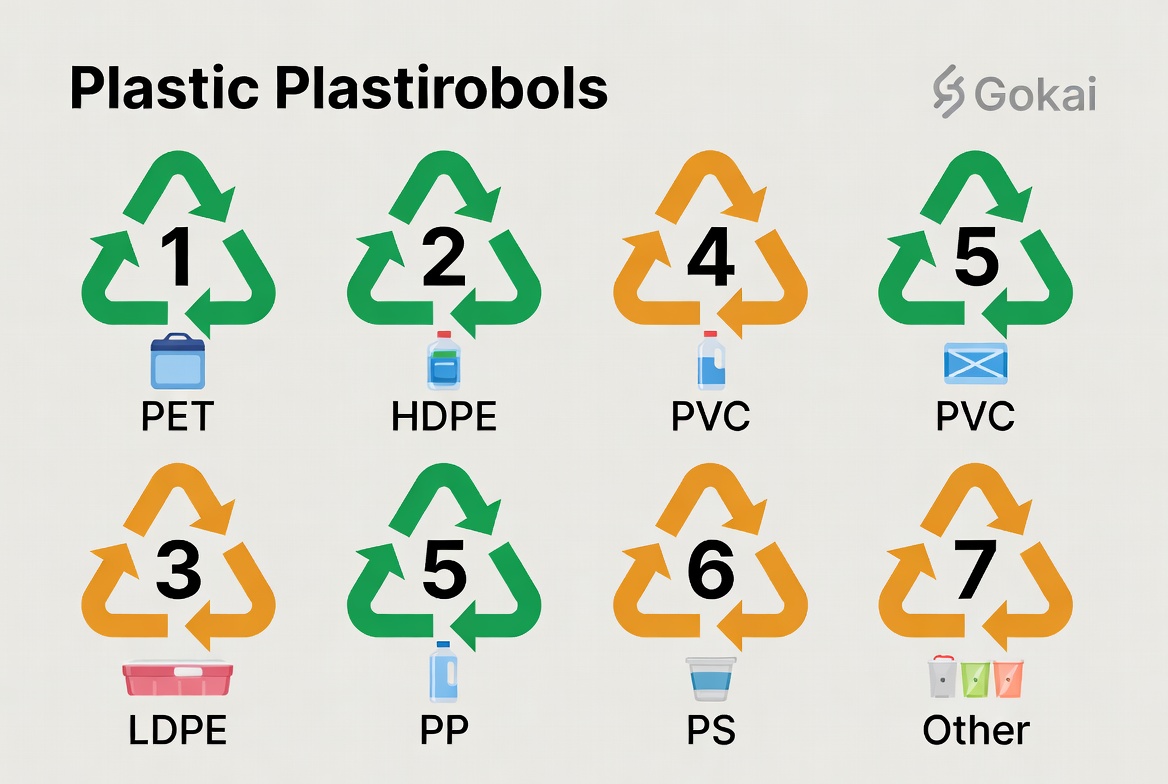
Polyethylene terephthalate (PETE or PET) represents the gold standard for plastic recyclability. This lightweight, transparent material dominates the beverage industry—think water bottles, soda containers, and juice packaging. With widespread acceptance in curbside programs across North America and Europe, PET achieves recycling rates exceeding 50% in countries like Germany and Japan. [linkedin]
Common applications:
- Soft drink and water bottles
- Food packaging containers
- Cooking oil bottles
- Pharmaceutical blister packs
Recycled into: Polyester fiber for clothing, carpet backing, new food-grade containers, and furniture components. [ricketyroo]
High-density polyethylene (HDPE) stands as one of the most versatile and widely recycled plastics in manufacturing. Its exceptional strength-to-weight ratio makes it ideal for packaging household chemicals, dairy products, and personal care items. HDPE maintains structural integrity through multiple recycling cycles without significant quality degradation. [ricketyroo]
Common applications:
- Milk jugs and detergent bottles
- Shampoo containers
- Shopping bags (thick variety)
- Plastic lumber applications
Recycled into: Drainage pipes, outdoor furniture, plastic lumber, pen bodies, and new bottles for non-food applications. [ricketyroo]
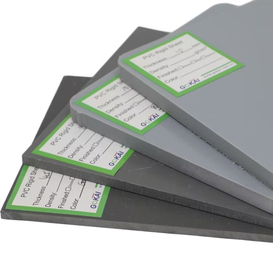
Polyvinyl chloride (PVC or vinyl) presents significant recycling challenges despite its widespread industrial use. The presence of chlorine and additives complicates the recycling process, limiting infrastructure availability. Most curbside programs reject PVC, though specialized facilities can process it for specific applications. [ricketyroo]
Common applications:
- Construction materials (pipes, window frames)
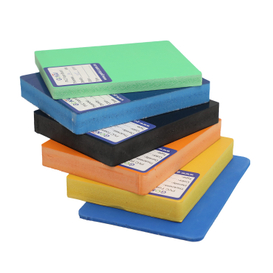
- Expanded PVC foam board for signage
- Medical tubing and blood bags
- Credit cards and blister packaging
Recycling reality: Rarely accepted in municipal programs; requires specialized facilities that can handle chlorine content. When recycled, it becomes speed bumps, cable insulation, and roadway materials. [ricketyroo]
Low-density polyethylene (LDPE) appears primarily in flexible film applications. While technically recyclable, LDPE requires dedicated collection programs separate from rigid plastic recycling streams. Many grocery stores now offer drop-off bins specifically for plastic film recycling. [ricketyroo]
Common applications:
- Grocery bags and shopping sacks
- Food wrap and squeezable bottles
- Bread bags and frozen food packaging
- Agricultural film
Recycled into: Trash can liners, floor tiles, shipping envelopes, and composite lumber. [millerrecycling]
Polypropylene (PP) has gained significant traction in recycling programs over the past five years. Its high melting point and chemical resistance make it valuable for automotive, food service, and consumer goods applications. Acceptance in curbside programs continues to expand as processing technology improves. [ricketyroo]
Common applications:
- Yogurt containers and margarine tubs
- Bottle caps and closures
- Automotive components
- Reusable food storage containers
Recycled into: Battery cases, automotive parts, garden tools, and new food containers. [ricketyroo]
Polystyrene (PS), including expanded foam varieties, faces mounting environmental scrutiny and limited recycling options. Low material value and contamination concerns restrict acceptance to specialized facilities. Many jurisdictions have banned or restricted single-use polystyrene products. [ricketyroo]
Common applications:
- Disposable cups and takeout containers
- Protective packaging foam
- CD cases and costume jewelry
- Insulation boards
Recycling challenges: Minimal curbside acceptance; can be recycled into egg cartons, insulation, and office supplies at specialized facilities. [ricketyroo]
The catch-all Symbol 7 category encompasses diverse materials that don't fit classifications 1-6, including acrylic (PMMA), polycarbonate, nylon, and bioplastics. This diversity complicates recycling, as each material requires different processing methods. [ricketyroo]
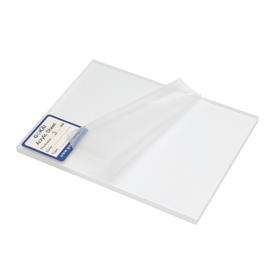
For acrylic sheets specifically: As a thermoplastic polymer, acrylic (polymethyl methacrylate or PMMA) can be recycled through specialized depolymerization processes. At facilities equipped for PMMA recycling, acrylic undergoes pyrolysis—heating to break molecular bonds—followed by separation and purification to achieve 98% purity methyl methacrylate monomer. This recovered material can be re-extruded into new acrylic sheets without quality loss, supporting circular economy principles. [businesswaste.co]
Common Symbol 7 materials:
- Acrylic sheets (PMMA) for displays and signage
- Polycarbonate panels for safety applications
- Nylon components in automotive and textiles
- Multi-layer packaging materials
Recycling considerations: Always verify with local programs; acrylic requires specialized recycling partners but maintains full recyclability as a thermoplastic. [businesswaste.co]

Global plastic production exceeds 400 million tonnes annually, yet recycling rates remain stubbornly low at 9-10% worldwide. This gap stems partly from contamination caused by improper sorting. When consumers mix Symbol 3 (PVC) with Symbol 1 (PET) in recycling bins, entire batches may be rejected and sent to landfills. Understanding these symbols directly impacts recycling efficacy. [cognitivemarketresearch]
The plastic recycling market reached $47.9 billion in 2025 and projects growth to $67.6 billion by 2030, driven by improved sorting technology and circular economy initiatives. However, success depends on upstream material identification—knowing what goes into which stream. [finance.yahoo]
As a supplier of acrylic sheets and plastic materials for global OEM applications, we recognize our responsibility extends beyond production. Here's how manufacturers can facilitate better recycling outcomes:
Design for recyclability: Select mono-material constructions when possible, avoiding multi-layer composites that resist separation. For acrylic applications, specify 100% PMMA rather than hybrid formulations.
Clear labeling: Apply recycling symbols prominently with accompanying text explaining local disposal options. Consider QR codes linking to recycling instructions.
Material documentation: Provide customers with material safety data sheets (MSDS) and composition details to facilitate end-of-life processing.
Take-back programs: Establish collection systems for post-industrial scrap. Our facility partners with PMMA recyclers to ensure production waste re-enters the supply chain. [recrylic]
Educate end-users: Include recycling guidance in product documentation, especially for Symbol 7 materials requiring specialized handling.
Check local guidelines first: Recycling infrastructure varies dramatically by region. What's accepted curbside in San Francisco may require special handling in rural areas.
Clean before recycling: Contaminated plastics—those with food residue, labels, or mixed materials—often get rejected. Rinse containers and remove caps if they're different plastic types.
When in doubt, find out: Contact your waste management provider or use online tools like Earth911's recycling search to identify local facilities accepting specific plastic types.
Consider alternative disposal: For Symbol 7 plastics like acrylic, seek specialized recyclers rather than contaminating municipal streams. Many industrial plastic suppliers operate take-back programs.
Reduce and reuse first: The most sustainable plastic is the one never produced. Evaluate opportunities to minimize packaging, choose reusable alternatives, and extend product lifecycles before defaulting to recycling.

Emerging technologies promise to transform plastic recycling from a linear to circular model. Advanced sorting systems using near-infrared spectroscopy can identify plastic types automatically, reducing dependence on visual symbols. Chemical recycling processes like the pyrolysis method used for acrylic may soon expand to other Symbol 7 plastics, recovering monomers for virgin-quality resin production. [linkedin]
However, technology alone won't solve the crisis. Consumer education, manufacturer responsibility, and infrastructure investment must converge. Understanding recycling symbols represents a critical first step—one that empowers informed decisions about material use, disposal, and advocacy for better systems.
Plastic recycling symbols provide essential information for proper material management, but they're only effective when understood and acted upon correctly. The numbers 1-7 identify plastic types, not recyclability guarantees. By learning what these symbols mean, checking local acceptance, and choosing materials thoughtfully, we can collectively improve recycling rates from the current 9-10% baseline toward the 50%+ achieved in leading countries.
For manufacturers and suppliers like Gokai specializing in acrylic sheets and plastic materials, embracing recycled content, designing for circularity, and educating customers creates competitive advantage while supporting environmental stewardship. Every properly sorted plastic contributes to a more sustainable materials economy—one symbol at a time.
Ready to source sustainable acrylic sheets for your next project? Contact Gokai for OEM solutions using recyclable PMMA materials with full material documentation and recycling support.
Q1: Does the recycling symbol guarantee that my plastic item can be recycled?
No, the recycling symbol only identifies the type of plastic resin used in manufacturing. Actual recyclability depends on your local recycling infrastructure, contamination levels, and whether facilities exist to process that specific plastic type. Always check with your municipal waste management provider to confirm which numbers they accept. [gwp.co]
Q2: Why is acrylic classified as Symbol 7 if it's recyclable?
Acrylic (PMMA) falls under Symbol 7 because it doesn't fit the six standard commodity plastic categories (PET, HDPE, PVC, LDPE, PP, PS). However, as a thermoplastic, acrylic is fully recyclable through specialized depolymerization processes that break it down to 98% pure monomer for remanufacturing into new sheets. The Symbol 7 designation reflects its chemical composition, not its recyclability potential. [businesswaste.co]
Q3: What's the difference between Symbol 1 (PET) and Symbol 2 (HDPE) in terms of recycling?
Both are highly recyclable and widely accepted in curbside programs, but they serve different purposes. PET (Symbol 1) is typically used for beverage bottles and food containers, recycling into polyester fiber, carpet, and new bottles. HDPE (Symbol 2) is denser and stronger, used for milk jugs and detergent bottles, and recycles into pipes, plastic lumber, and non-food containers. They must be sorted separately as mixing them compromises recycled material quality. [ricketyroo]
Q4: Can I recycle plastic bags and film in my curbside bin?
Most curbside programs do not accept plastic bags and film (typically LDPE, Symbol 4) because they jam sorting machinery. Instead, take clean, dry plastic bags to retail drop-off locations at grocery stores and big-box retailers. These specialized programs collect plastic film separately for processing into composite lumber and shipping materials. [millerrecycling]
Q5: How can I verify if my local recycling facility accepts Symbol 7 plastics like acrylic?
Contact your municipal waste management department directly or use online recycling locators like Earth911.com to identify facilities accepting specific plastic types in your area. For industrial acrylic waste, contact specialized PMMA recyclers or suppliers like Gokai that operate take-back programs. Commercial recycling options often differ from residential programs, offering broader material acceptance for businesses generating consistent plastic waste streams. [businesswaste.co]
1. Acme Plastics. "Your Guide to Plastic Recycling Symbols." Acme Plastics. Accessed April 25, 2026. https://www.acmeplastics.com/content/your-guide-to-plastic-recycling-symbols/
2. Ocean Blue Project. "Plastic Pollution Statistics: Key Facts and Data (2026)." Ocean Blue Project, March 22, 2026. https://oceanblueproject.org/plastic-pollution-guide/
3. Business Waste. "Acrylic Recycling | PMMA Plastic Recycling." Business Waste, March 5, 2026. https://www.businesswaste.co.uk/your-waste/plastic-recycling/acrylic-recycling/
4. LinkedIn. "Plastic Recycling in 2026 and Beyond: The Imperative We Can't Ignore." LinkedIn, July 23, 2025. https://www.linkedin.com/pulse/plastic-recycling-2026-beyond-imperative-we-cant-ignore-fklhf
5. Cognitive Market Research. "Plastic Recycling Market Analysis 2026." Cognitive Market Research, June 30, 2025. https://www.cognitivemarketresearch.com/plastic-recycling-market-report
6. Yahoo Finance. "Plastics Recycling Global Markets Report 2026." Yahoo Finance, April 23, 2026. https://finance.yahoo.com/sectors/technology/articles/plastics-recycling-global-markets-report-093400150.html
7. GWP. "Recycling codes and resin identification symbols (+free downloads)." GWP, March 18, 2026. https://www.gwp.co.uk/guides/recycling-codes/
8. Miller Recycling. "Plastics Recycling Symbols Explained." Miller Recycling, January 12, 2026. https://millerrecycling.com/plastics-recycling-numbers/
9. Recrylic. "100% Recycled Acrylic | Closed-Loop Recycling Process & Eco." Recrylic, December 31, 2024. https://www.recrylic.com/recycling-process