Shanghai Gokai Industry Co,.Ltd.
Call Us: +86-18918606548
Call Us: +86-18918606548
- Product Name
- Product Keyword
- Product Model
- Product Summary
- Product Description
- Multi Field Search
Views: 222 Author: Loretta Publish Time: 2026-02-17 Origin: Site


Content Menu
● What Makes Acrylic Sheets Great for Crafts?
● Tools and Safety Basics for Acrylic Craft Projects
● Craft Idea 1: Modern Acrylic Home Décor Art Panels
>> Basic Steps
● Craft Idea 2: Floating Acrylic Photo Frames
>> Materials
● Craft Idea 3: Reusable Acrylic Wall Calendar and Planner Board
>> Why People Love This Project
>> Materials
● Craft Idea 4: Acrylic Earrings and Fashion Jewelry
>> Types of Acrylic Jewelry You Can Make
>> Example: Simple Geometric Acrylic Earrings
● Craft Idea 5: DIY Acrylic Aquarium or Display Box
>> Thickness Guidelines (Example Ranges)
● Beginner-Friendly Acrylic Craft Ideas for Small Businesses
● Choosing the Right Acrylic Sheet for Your Craft
● Maintenance and Care Tips for Acrylic Crafts
● Where to Source Acrylic Sheets and OEM Support
● FAQs About Acrylic Sheet Craft Projects
>> 1. How do I cut acrylic sheets at home without expensive tools?
>> 2. Can I paint directly on acrylic sheets?
>> 3. What kind of glue should I use for acrylic crafts?
>> 4. Is acrylic safe for aquariums and pet tanks?
>> 5. Can I laser cut and engrave acrylic for small business products?
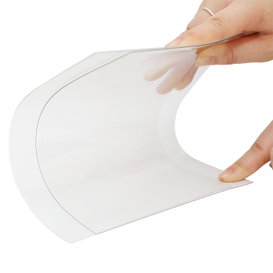
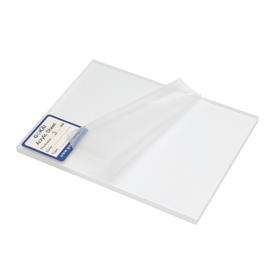
Acrylic sheet (also called plexiglass or PMMA) is a lightweight, impact-resistant alternative to glass that is perfect for creative crafts, home décor, personalized gifts, and even small business products. With basic tools, you can cut, drill, paint, and glue acrylic sheets into unique pieces that look professional while staying budget-friendly.

Acrylic is popular with DIY crafters, designers, and makers because it combines clarity, durability, and easy processing. Whether you are creating a wall calendar, jewelry, or an aquarium, the same core advantages make acrylic a smart choice.
- High light transmission and glass-like transparency.
- Much higher impact resistance than ordinary glass, yet about half the weight.
- Available in clear, frosted, tinted, mirrored, and colored sheets for different visual effects.
- Can be cut, drilled, engraved, and shaped with common tools like saws, scoring tools, and rotary tools.
- Suitable for laser cutting and engraving for fine, custom designs such as lettering, logos, and intricate patterns.
For OEM or professional projects, manufacturers like Shanghai Gokai Industry Co., Ltd. can provide custom-cut acrylic sheets in different thicknesses, colors, and finishes to match specific craft or product designs.
Working with acrylic is straightforward, but following a few basic guidelines will improve results and safety.
- Use a scoring tool for thin acrylic sheets to snap straight cuts cleanly.
- For thicker pieces, use a fine-tooth table saw, circular saw, or jigsaw designed for plastics to avoid chipping.
- Drill slowly with sharp bits, placing a sacrificial wood board underneath and using light pressure to reduce cracking.
- Always wear eye protection when cutting or drilling, and use a dust mask if sanding or grinding edges.
- Remove protective film only when you are ready to finish or assemble to keep surfaces clean and scratch-free.
If you plan to glue acrylic to acrylic or other plastics, consider using solvent-based acrylic cements, which chemically fuse the surfaces and create a clear, strong joint.
Acrylic wall art and decorative panels are an easy way to give interiors a modern look while showcasing color, texture, and light.
- Frosted or matte acrylic accepts paint and ink very well after a suitable primer.
- Clear and colored sheets allow you to layer graphics and backgrounds for a multi-dimensional effect.
- Finished panels are lightweight, making them easier to hang than glass or heavy frames.
1. Choose the sheet
- Use frosted or matte acrylic if you plan to paint directly on the surface.
- Use clear acrylic if you want to mount printed graphics or vinyl decals on the back for a “floating” effect.
2. Prepare the surface
- Clean with a lint-free cloth and mild soap solution to remove dust and grease.
- Apply an acrylic-compatible primer if you will paint or ink the front surface so the color adheres evenly.
3. Create the design
- Use acrylic paints, alcohol inks, or permanent markers to build abstract patterns, geometric shapes, or typography.
- For a crisp graphic look, apply vinyl lettering or printed adhesive films on the back of clear acrylic.
4. Finish and mount
- Lightly sand or polish the edges if needed for a clean appearance.
- Drill mounting holes near the corners and use decorative standoffs or spacers for a gallery-style look.
Floating frames make photos and prints look premium by suspending them inside a larger clear acrylic border.
- Clear acrylic sheet cut slightly larger than the photo.
- Screws, bolts, or wall standoffs plus basic hand tools.
- Glue dots or double-sided adhesive to hold the photo in place.
1. Cut the acrylic
- Cut the sheet a few centimeters or inches larger than your photo on all sides for a clear border.
- Smooth sharp edges with fine sandpaper or a deburring tool.
2. Drill mounting holes
- Mark hole positions near the corners, at least 1–2 cm from the edge.
- Drill slowly with a plastic-safe bit, supporting the sheet on scrap wood and using low speed to avoid cracking.
3. Mount the photo
- Center the photo on the back of the acrylic and secure it using clear glue dots or archival tape.
- Keep fingerprints off the visible area by wearing clean gloves.
4. Install on the wall
- Pre-drill holes in the wall, then fix the acrylic panel using bolts, anchors, or decorative standoffs.
- Tighten hardware just enough to hold the sheet flat without stressing the acrylic.

An acrylic wall calendar is a stylish, reusable alternative to paper planners and whiteboards, perfect for busy homes or offices.
- Easy to clean and reuse with dry-erase or wet-erase markers.
- Custom grid layout, colors, and headings to match your workflow and interior décor.
- Clear design keeps spaces looking clean and minimal.
- Medium-to-large acrylic sheet, for example around 36" × 30" or a similar metric size.
- Hardware such as bolts, washers, and standoffs for wall mounting.
- Vinyl lettering or printed calendar grid, or a permanent marker and ruler.
- Drill, drill bits, and optional spray paint for the hardware.
1. Prepare the mounting hardware
- Spray paint bolts, washers, or standoffs if you want a gold, black, or copper finish.
- Allow all parts to dry fully before handling.
2. Drill the sheet
- Mark hole positions near the corners, then drill slowly while supporting the sheet on wood.
- Running the drill in reverse at the start can help reduce chipping on brittle plastics.
3. Add the calendar layout
- Apply a pre-cut vinyl calendar grid, or draw one with a permanent marker and a straightedge.
- Include headings like “To-Do,” “Priorities,” or “Notes” to increase usefulness.
4. Install and use
- Mount the calendar using bolts and wall anchors, leaving a small gap between wall and acrylic.
- Use bright dry-erase markers for events and deadlines, and wipe clean with a soft cloth.
Acrylic earrings and accessories are lightweight, colorful, and easy to customize with shapes, patterns, and engravings.
- Drop earrings and hoops in solid, transparent, or glitter acrylic.
- Statement pendants, bracelets, and keychains cut from small acrylic blanks.
- Personalized pieces engraved with names, initials, or logos.
1. Prepare the blanks
- Use pre-cut acrylic shapes or cut your own from scrap sheet using a saw or laser cutter.
- Smooth edges with fine sandpaper to avoid rough spots near the skin.
2. Add color or pattern
- Trace the acrylic shape on the back of a colored vinyl sheet, then cut the vinyl to match.
- Apply the vinyl to the back of the acrylic and seal with a thin coat of clear sealer, letting each coat dry and sanding lightly between coats.
3. Assemble the earrings
- Use a small drill bit to create holes for jump rings if the blanks do not have them already.
- Open jump rings with jewelry pliers, attach them to the acrylic pieces, and connect earring hooks.
Acrylic is widely used for aquariums, terrariums, and display cases because it is strong, transparent, and easier to handle than glass at larger sizes.
For small to medium containers, typical thickness recommendations include:
- Around 1/4 inch sheet for shallow or small-format tanks.
- Around 3/8 inch sheet for mid-size tanks.
- Around 1/2 inch or more for deeper or larger tanks where water pressure is higher.
Designers should verify thickness with a reliable calculator or engineer for safety on large aquariums.
1. Cut and prepare panels
- Cut panels for the front, back, sides, and base according to your design.
- Lightly sand or scrape edges to remove polish; slightly rough edges improve glue adhesion.
2. Assemble with adhesive
- Use a suitable acrylic-safe adhesive or silicone and apply an even bead along the edges.
- Press panels together on a flat surface, using clamps or tape to hold alignment while curing.
3. Cure and test
- Allow adhesive to cure fully, typically at least 24 hours or as recommended by the manufacturer.
- Fill slowly with water outdoors or in a safe area to check for leaks before adding fish or decorations.
Many crafters turn acrylic projects into profitable products sold online or at local markets. Several popular, beginner-friendly items can be produced at small scale using basic tools or a compact laser cutter.
- Personalized keychains and bag tags.
- Custom cake toppers and party decorations.
- Branded signage and tabletop displays for small shops.
- Coasters, trays, and organizer stands for desks and vanities.
- Standardize sizes and shapes to streamline cutting and inventory.
- Offer a limited set of colors and finishes to simplify material purchasing.
- Consider partnering with an OEM acrylic sheet manufacturer to source pre-cut blanks or custom-sized sheets at stable prices for repeat orders.
Matching the right acrylic type and thickness to your project improves durability, safety, and appearance.
Project type | Suggested acrylic features |
Wall art & décor panels | Clear or frosted, medium thickness, easy to drill |
Floating photo frames | Clear, good surface quality, thinner for light weight |
Wall calendars & boards | Clear or light tint, smooth surface for dry-erase use |
Earrings & small jewelry | Thin sheets or blanks, solid, mirror, or glitter |
Aquariums & display boxes | Clear, structural thickness, good bonding surfaces |
For large or technical projects, you can consult experienced suppliers or OEM manufacturers to confirm thickness, grade, and any special resistance requirements.
Proper care helps your acrylic crafts stay clear and attractive for longer.
- Clean with a soft microfiber cloth and mild soap solution, never with abrasive pads or strong solvents.
- Avoid ammonia-based glass cleaners, which can cause crazing or surface damage over time.
- Store and transport pieces with protective film or soft wrapping to reduce scratches.
- For light scratches, use plastic polishing compounds designed for acrylic surfaces.
Hobbyists can buy small acrylic sheets from local DIY stores or online retailers, while serious makers and brands often work with specialized plastics suppliers or OEM factories for custom sizes and colors. Suppliers can provide:
- Cut-to-size acrylic sheets in different thicknesses and finishes.
- Bulk orders for repeat products such as calendars, frames, or jewelry blanks.
- Technical advice on machining, bonding, and long-term performance.
Global buyers who need stable supply for acrylic craft lines, retail fixtures, or promotional products can cooperate with manufacturing partners like Shanghai Gokai Industry Co., Ltd., which focuses on PVC foam boards and acrylic sheets and offers OEM services for international customers.
If you are planning your next acrylic craft line, retail display program, or custom décor project, now is the ideal time to secure a reliable sheet supplier that understands both design and manufacturing requirements. Contact Shanghai Gokai Industry Co., Ltd. to discuss custom acrylic sheet and PVC foam board solutions, including thickness selection, color matching, and OEM production support, so you can bring high-quality, repeatable acrylic products to market with confidence and efficiency.
Contact us to get more information!
For thin sheets, you can score along a straight edge repeatedly with a scoring tool or plexiglass knife, then snap the sheet over a table edge. For thicker material, use a fine-tooth saw designed for plastics or a jigsaw and support the sheet firmly to prevent vibration and cracking.
Yes, but you will get better adhesion if you lightly sand glossy surfaces and apply an acrylic-compatible primer first. Frosted or matte acrylic surfaces naturally grip paint and ink more effectively than very smooth, polished surfaces.
For structural joints between acrylic pieces, solvent-based acrylic cements are ideal because they soften the surfaces and create a clear, fused joint. For light-duty applications like attaching photos or decorative layers, clear double-sided tape, glue dots, or certain flexible craft adhesives can work well if they do not attack the plastic.
Acrylic is widely used for fish tanks, terrariums, and display enclosures because of its high impact strength and clarity. You must select suitable thickness for the tank size and use adhesives that are safe and fully cured before adding fish or animals.
Yes, cast acrylic in particular engraves very cleanly and can be laser cut into precise shapes for jewelry, signage, keychains, and décor items. Many small businesses use compact laser machines to produce personalized acrylic products such as cake toppers, bookmarks, and branded tags.
1. https://www.acmeplastics.com/content/5-fun-acrylic-sheet-craft-ideas/
2. https://etspeaksfromhome.co.uk/2023/01/5-craft-ideas-with-acrylic-sheets.html
3. https://www.ttplasticland.com/blogs/news/top-acrylic-sheet-projects-for-beginners
4. https://www.acmeplastics.com/content/category/diy-projects/
5. https://www.acmeplastics.com/content/acrylic-best-practices/