Shanghai Gokai Industry Co,.Ltd.
Call Us: +86-18918606548
Call Us: +86-18918606548
- Product Name
- Product Keyword
- Product Model
- Product Summary
- Product Description
- Multi Field Search
Views: 222 Author: Loretta Publish Time: 2026-02-15 Origin: Site


Content Menu
● What Is HDPE Cutting Board Material?
● Key Performance Advantages of HDPE Cutting Boards
>> 2. Durability and Impact Resistance
>> 3. Moisture, Mold, and Corrosion Resistance
>> 4. Ease of Fabrication and Customization
● Food and Beverage Industry Applications (Commercial and Residential)
>> Commercial Kitchens and Restaurants
>> Food Processing and Packaging Facilities
>> Residential and Small Catering Use
● Automotive and Mobile Food Service Applications
>> Food Trucks and Mobile Kitchens
● Fishing and Dockside Applications
>> Fish Cleaning Stations and Bait Tables
● Marine and Boat Outfitting Applications
>> Handles, Hatches, and Railings
>> Outdoor Cabinets, Furniture, and Motor Covers
● Storage Sheds and Outdoor Structures
● Additional Emerging Applications and 2025–2026 Trends
>> Antimicrobial and Color‑Coded HDPE Boards
>> Microplastic‑Resistant and Low‑Shedding Surfaces
>> Sustainability and Recycling
● HDPE Cutting Boards vs. Other Cutting Board Materials
● How to Choose the Right HDPE Cutting Board for Your Project
>> 1. Thickness, Size, and Load
>> 2. Surface Texture and Finish
>> 3. Regulatory and Certification Requirements
>> 4. Color‑Coding and Branding
● Practical Care and Maintenance Tips
● Where HDPE Cutting Boards Fit in Modern Projects
● Clear, Targeted Call to Action
● Frequently Asked Questions About HDPE Cutting Boards
>> 1: Are HDPE cutting boards safe for food contact?
>> 2: Do HDPE cutting boards dull knives?
>> 3: Can HDPE cutting boards be used outdoors or on boats?
>> 4: How should HDPE cutting boards be cleaned and sanitized?
>> 5: Can HDPE cutting boards be recycled?
HDPE cutting boards have moved far beyond simple kitchen tools and are now a high‑performance surface material used across food processing, automotive, marine, and storage applications worldwide. By understanding how and where HDPE cutting board material performs best, you can specify safer, more durable, and easier‑to‑maintain surfaces for both commercial and industrial projects.

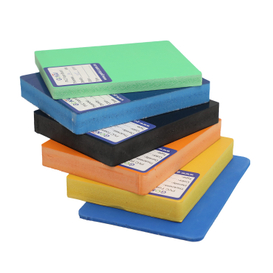
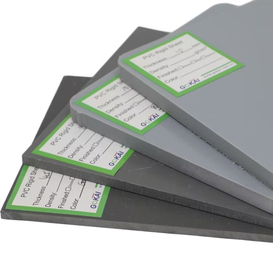
High density polyethylene (HDPE) cutting boards are plastic boards or sheets produced from food‑grade HDPE resin that offer excellent impact resistance, low moisture absorption, and strong chemical resistance. Compared with wood, bamboo, or rubber boards, HDPE cutting boards are non‑porous, easy to sanitize, and do not splinter, crack, or rot when exposed to water, detergents, and food acids.
HDPE cutting board sheets are:
- Non‑porous and very low in moisture absorption, so they do not trap bacteria, odors, or liquids.
- Knife‑friendly, helping keep blades sharper for longer and reducing deep gouging.
- Highly resistant to mold, mildew, and corrosion, even in wet or outdoor environments.
- Chemically resistant to common cleaning agents, detergents, and sanitizers.
- Easy to machine, weld, and fabricate into custom shapes and sizes for OEM projects.
The non‑porous surface of HDPE does not allow food juices, moisture, or bacteria to penetrate, which makes it highly hygienic when properly cleaned and sanitized. Unlike wood, which can trap microorganisms in small cracks and fibers, HDPE cutting boards remain sanitary with regular dishwashing or hot water cleaning.
Key hygiene benefits:
- Reduced risk of cross‑contamination in commercial kitchens.
- Easy removal of bacteria, odors, and cleaning fluids from the surface.
- Compatibility with food safety programs in restaurants and processing plants.
HDPE has high tensile strength and excellent impact resistance, allowing cutting boards and sheets to withstand heavy daily use, dropped tools, and aggressive cleaning without cracking. Even when used as thick industrial‑grade cutting boards, HDPE resists chipping, warping, and peeling over long service lives.
Because HDPE absorbs very little moisture and does not rot, it is ideal for humid, outdoor, or marine environments where wood quickly deteriorates. These boards resist mold, mildew, and algae growth, helping keep food contact and storage areas clean and safe for longer.
HDPE cutting board sheets can be cut, machined, routed, and welded into custom shapes and sizes, including large panels, inserts, and OEM components. This makes it easy to produce cut‑to‑size boards, integrated countertop surfaces, handles, hatches, and storage panels tailored to specific projects.
HDPE cutting boards are one of the most widely used plastic materials in the food and beverage industry, from commercial processing plants to home kitchens.
In restaurants, hotel kitchens, catering facilities, and institutional food service such as schools and hospitals, HDPE cutting boards provide a durable, non‑porous, and easy‑to‑sanitize work surface. Operators often choose HDPE cutting board sheets because they support:
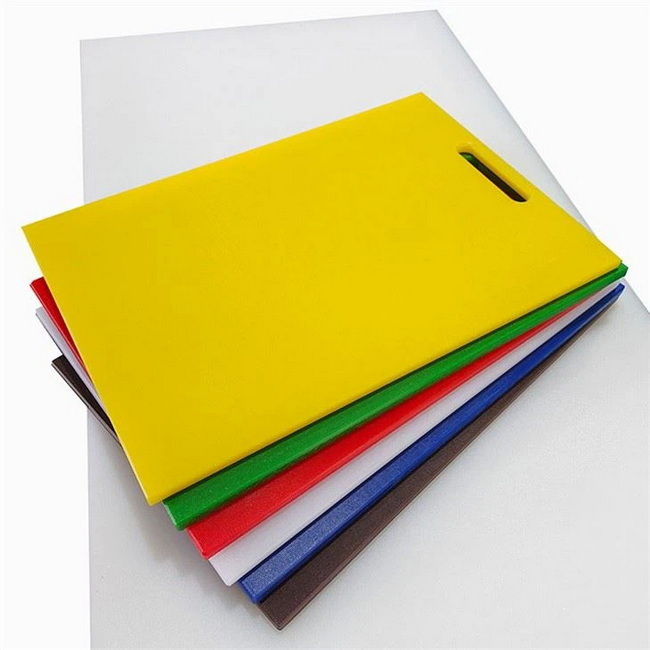
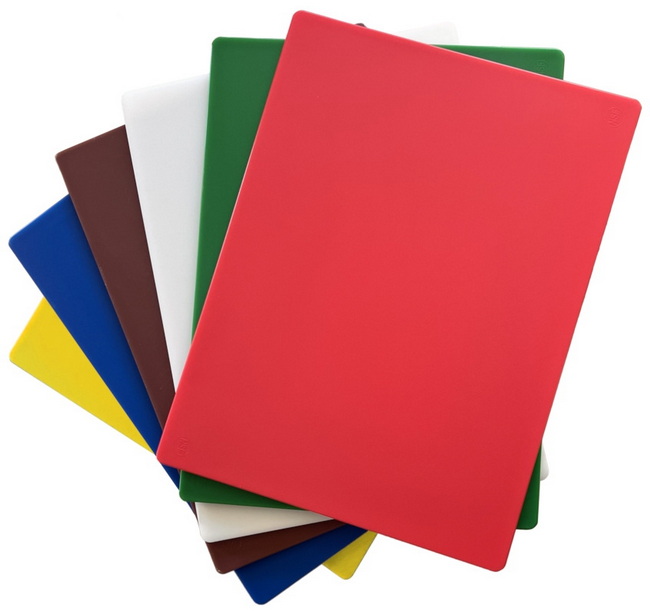
- Color‑coded boards for different food groups (meat, seafood, vegetables, etc.).
- Compliance with food safety regulations and sanitation standards.
- Fast cleaning during busy service, with boards that can be washed and reused repeatedly.
Example: In a large catering kitchen, separate HDPE cutting boards can be assigned to raw meat, dairy, and produce to visually reinforce cross‑contamination controls while keeping prep stations organized.
Food processors use HDPE cutting board material for cutting tables, conveyor transfer plates, cheese molds, frozen food molds, and other contact surfaces. The material's resistance to acids, detergents, and sanitizers helps it withstand frequent washdowns and chemical cleaning cycles.
Typical uses include:
- Meat, poultry, and seafood processing lines.
- Cheese cutting and molding stations.
- Bakery tables and dough handling surfaces.
Home chefs and small caterers appreciate HDPE cutting boards for being lightweight, easy to clean, and gentle on knives. Many residential boards use the same food‑grade HDPE as commercial products, offering a professional‑grade surface in the home kitchen.
Beyond static kitchens, HDPE cutting board material is widely used in mobile environments that still require high standards of food safety and durability.
Recreational vehicles and campers frequently incorporate HDPE cutting boards into countertops and sink covers to maximize space in compact galleys. These boards provide:
- Non‑porous, easy‑to‑clean food prep surfaces.
- Lightweight construction that helps manage overall vehicle weight.
- Resistance to vibration, moisture, and temperature changes during travel.
Food trucks face most of the same hygiene and efficiency requirements as traditional restaurants, but with more limited space and harsher mobile conditions. HDPE cutting boards are well suited because they:
- Offer anti‑contamination properties and easy sanitization in tight prep areas.
- Resist warping and cracking despite temperature swings and high humidity.
- Can be cut to fit custom counters, fold‑out workstations, and service windows.
In commercial fisheries and recreational boating, HDPE cutting boards provide a clean and durable surface for handling fish in wet, corrosive environments.
On boats, docks, and fish cleaning stations, HDPE cutting boards deliver non‑porous surfaces that can withstand salt water, blood, and fish oils without rotting or absorbing odors. After use, they can be rinsed or pressure‑washed, maintaining a sanitary surface for the next catch.
Typical uses:
- Built‑in fillet tables on fishing boats.
- Dockside cleaning and packaging stations.
- Portable bait tables for charter operations and marinas.
HDPE cutting board material is commonly adapted into marine‑grade boards and components for extended outdoor use on boats and marine structures.
Marine‑grade HDPE is strong, resilient, and moisture‑resistant, making it a reliable choice for critical safety components.
- Handles and hatches: HDPE helps prevent sudden failure from rot or corrosion, maintaining safe access to storage and engine compartments.
- Railings: HDPE railings avoid splintering and cracking associated with weathered wood, reducing injury risk for passengers.
Boat cabinets, seating, and engine covers must endure continuous exposure to UV light, spray, and fluctuating temperatures. HDPE cutting board sheets resist chipping, swelling, and odor retention better than many wood‑based alternatives, extending the life of these components.
HDPE cutting board material is a strong candidate for outdoor storage sheds and utility enclosures where impact, mildew, and moisture resistance are essential.
Compared with wood sheds, HDPE‑based sheds and panels:
- Provide stable, easy‑to‑clean surfaces that resist dirt and insect damage.
- Stay free from mold and mildew that can degrade both the structure and stored items.
- Maintain structural integrity over time with minimal maintenance.
These qualities make HDPE suitable for garden sheds, pool chemical storage, sports equipment lockers, and industrial storage units in harsh environments.
To go beyond basic use cases, it is helpful to look at how HDPE cutting board materials are evolving in 2025–2026 to address new safety and sustainability needs.
New antimicrobial HDPE formulations are being adopted in commercial kitchens to reduce bacterial growth on surfaces and support stricter food safety programs. Combined with color‑coding systems, these boards help staff quickly identify correct boards for specific food groups and minimize cross‑contamination risk.
Manufacturers increasingly focus on HDPE surfaces that shed fewer microplastics during cutting and cleaning, helping keep food prep areas and drain systems cleaner. These innovations support both kitchen hygiene and broader environmental goals.
HDPE cutting boards are easily recyclable, and many suppliers now offer recycled or partially recycled HDPE sheets to reduce overall material footprint. For businesses looking to improve sustainability reporting, specifying recyclable HDPE surfaces can be a strategic step in greener equipment and infrastructure upgrades.
The table below summarizes how HDPE cutting boards compare with common alternatives in commercial and industrial environments.
Property / Feature | HDPE Cutting Board Material | Wood Cutting Boards | Bamboo Cutting Boards | Rubber/Composite Boards |
Porosity & moisture absorption | Non-porous, very low absorption, highly hygienic. | Porous, absorbs water and juices. | Moderately porous, can swell. | Low to moderate porosity, varies by type. |
Bacteria and odor resistance | Resists bacteria and odors with proper cleaning. | Can harbor bacteria in cracks and fibers. | May retain odors and stains. | Good when non-porous, varies by brand. |
Knife friendliness | Gentle on blades, cuts tend to close. | Gentle but grooves can deepen over time. | Can be relatively hard on knives. | Often soft and knife-friendly. |
Resistance to mold and mildew | Excellent, does not rot or mold easily. | Susceptible to rot and mildew when wet. | Better than some woods, still organic. | Generally good, may degrade with harsh chemicals. |
Chemical and sanitizer resistance | Strong resistance to detergents and sanitizers. | Limited, harsh chemicals can damage finish. | Similar limitations to wood. | Varies, some formulations handle chemicals well. |
Outdoor / marine suitability | Excellent for marine and outdoor use. | Poor, rots and splinters outdoors. | Not ideal for continuous exposure. | Limited, often designed for indoor use. |
Recyclability | Widely recyclable thermoplastic. | Biodegradable but less recyclable industrially. | Renewable resource, not easily recycled. | Depends on specific composite formulation. |
When specifying HDPE cutting board material for a new installation or OEM application, consider the following factors.
Select board thickness based on usage:
- Light duty (home kitchens, light prep): thinner boards or panels.
- Medium duty (restaurants, cafeterias): thicker HDPE boards that resist bending and impact.
- Heavy duty (industrial cutting tables, fish cleaning stations, OEM work surfaces): thick, industrial‑grade HDPE sheets.
Custom cut‑to‑size boards minimize seams and joints, improving hygiene and ease of cleaning.
For food prep, a textured, non‑slip surface helps stabilize knives and ingredients, improving safety and control. In marine and storage applications, the right texture can enhance grip and reduce slip hazards without trapping dirt.
In commercial food service and processing, specify HDPE cutting board material that meets relevant certifications, such as FDA food‑contact compliance or NSF listings for food equipment. These certifications provide additional assurance to inspectors, customers, and brand owners that surfaces are designed for hygienic performance.
If you operate multiple production lines or food categories, consider color‑coded HDPE boards to support HACCP plans and make staff training easier. OEM customers can also explore custom colors or printing to align cutting surfaces and panels with brand identity or safety markings.
Proper care extends the life and performance of HDPE cutting boards in any setting.
- Clean with hot water and mild detergents immediately after use to remove food particles and residues.
- Use approved sanitizers for commercial kitchens, following manufacturer dilution and contact time instructions.
- Avoid excessive exposure to open flame or very high heat sources that exceed HDPE's temperature limits.
- Inspect periodically for deep gouges; if necessary, resurface or replace heavily damaged boards to maintain hygiene and safety.
- For outdoor and marine installations, rinse with fresh water to remove salt and debris, reducing long‑term surface wear.
From restaurants and food trucks to boats and storage sheds, HDPE cutting board material delivers a rare combination of hygiene, durability, and design flexibility. As plastic innovations continue, antimicrobial formulations, microplastic‑resistant surfaces, and certified food‑grade panels are making HDPE cutting boards even more attractive to safety‑focused and sustainability‑minded buyers.
If you are designing new food production equipment, upgrading commercial kitchens, outfitting RVs or boats, or specifying materials for outdoor storage and workstations, HDPE cutting board sheets should be high on your shortlist for reliable performance and simplified maintenance.
If you are planning a new kitchen, marine vessel, storage facility, or OEM equipment line, now is the ideal time to upgrade to HDPE cutting board material for safer, longer‑lasting surfaces. Contact our professional plastics team to discuss custom cut‑to‑size HDPE cutting boards, tailored sheet thicknesses, and OEM fabrication options that match your drawings, performance requirements, and branding needs. Share your project details today so you can move from concept to installation quickly, confidently, and with materials engineered for long‑term reliability.
Contact us to get more information!
Yes. Food‑grade HDPE cutting boards are widely used in commercial kitchens and food processing plants because they are non‑porous, easy to sanitize, and approved for food contact when produced to relevant standards. Many HDPE cutting board sheets are also tested or listed under recognized food equipment certifications.
HDPE cutting boards are generally knife‑friendly and help keep blades sharper compared with glass, stone, or very hard surfaces. The material is firm enough for precise cutting but soft enough that cuts tend to close rather than creating deep, rigid grooves.
Yes. HDPE cutting board material is moisture‑resistant, corrosion‑resistant, and does not rot, which makes it suitable for marine and outdoor environments such as boats, docks, and storage sheds. Marine‑grade HDPE boards are specifically formulated for long‑term outdoor exposure and structural stability.
Clean HDPE boards with hot water and standard dishwashing detergents, then rinse thoroughly. In commercial settings, use approved sanitizing solutions or dishwashers following local health regulations and manufacturer recommendations to maintain hygiene.
HDPE is a recyclable thermoplastic, and many municipalities and industrial recyclers accept HDPE materials such as cutting boards and sheets. Some suppliers also offer recycled or partially recycled HDPE sheet products for customers prioritizing sustainability.
1. https://www.acmeplastics.com/content/5-common-applications-for-hdpe-cutting-boards/
2. https://www.acmeplastics.com/content/the-benefits-of-hdpe-cutting-boards/
3. https://www.piedmontplastics.com/products/hdpe-cutting-board
4. https://www.gteek.com/cutting-board-hdpe-sheets
5. https://www.plasticcuttingboards.com/blog/what-is-hdpe/
6. https://www.kingplastic.com/products/king-cuttingboard/
7. https://iplasticsupply.com/quality-nsf-approved-restaurant-grade-hdpe-cutting-boards/
8. https://cuttingboardwerks.com/blog/hdpe-commercial-cutting-boards/
9. https://www.piedmontplastics.com/blog/where-is-hdpe-plastic-used
10. https://laminatedplastics.com/cuttingboards.pdf