Shanghai Gokai Industry Co,.Ltd.
Call Us: +86-18918606548
Call Us: +86-18918606548
- Product Name
- Product Keyword
- Product Model
- Product Summary
- Product Description
- Multi Field Search
Views: 222 Author: Loretta Publish Time: 2026-02-06 Origin: Site


Content Menu
● What Is Plexiglass and Why Use It at Home?
● 1. Acrylic Coffee Tables: Safer, Sleeker Living Rooms
● 2. Plexiglass Solar Panel Covers and Light-Optimized Panels
● 3. Greenhouses and Indoor Growing Spaces
● 4. Acrylic-Front Kitchen Cabinets for Modern Storage
● 5. Plexiglass Windows and Skylights for Energy-Smart Homes
● 6. Picture Displays, Gallery Walls, and Art Frames
● 7. Plexiglass Kitchen Backsplashes
● 8. Floating Shelves and Display Units
● New Ideas: Advanced Home Uses for Plexiglass
>> 9. Room Dividers and Partitions
>> 10. Protective Tabletop Covers
>> 11. Bathroom and Wet-Area Applications
● Choosing the Right Plexiglass Thickness, Finish, and Color
>> Thickness Guidelines (General)
● Simple Step-by-Step: Planning a DIY Plexiglass Project
● Take Action: Start Your Plexiglass Home Upgrade Today
● FAQs About Plexiglass Uses in the Home
>> 1. Is plexiglass as clear as regular glass?
>> 2. Does plexiglass turn yellow over time?
>> 3. How do I clean plexiglass without scratching it?
>> 4. Can plexiglass be used in shower enclosures or bathrooms?
>> 5. Is plexiglass safe to use for children's rooms and play areas?
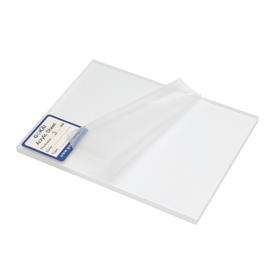
Plexiglass – also known as acrylic sheet or acrylic glass – is a lightweight, impact-resistant alternative to traditional glass that works brilliantly in modern homes, from sleek coffee tables to energy-saving windows and greenhouses. This in-depth guide explores the best plexiglass uses in your home, adds fresh ideas, and shows you how to plan each project for safety, style, and long-term performance.

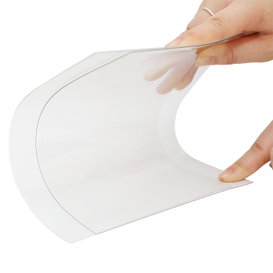
Plexiglass is a transparent thermoplastic (acrylic) that offers glass-like clarity but with significantly higher impact resistance and lower weight. It is easy to cut, drill, and fabricate, which makes it ideal for DIYers, interior designers, and homeowners looking for creative, custom solutions.
Key benefits of plexiglass in residential projects:
- High impact resistance and reduced shatter risk compared with glass.
- Excellent light transmission for bright interiors and greenhouses.
- Good weather resistance and thermal performance for windows and outdoor use.
- Easy to machine, lightweight to handle, and available in many colors and finishes.
You can naturally replace some general “plexiglass” mentions with brand-focused phrases, such as high-quality acrylic sheets from your company, especially near calls to action and technical sections.
Acrylic coffee tables and side tables deliver the clean, “floating” look of glass while being far more impact-resistant, making them a smart choice for homes with kids or pets. Plexiglass is lighter than glass, so larger table tops are easier to move, clean, and rearrange during room refreshes.
Design and safety tips:
- Choose thicker plexiglass (often 3/8"–1/2") for large tabletops to minimize flex.
- Use rounded corners or polished edges to reduce the chance of accidental scratches or bumps.
- Add soft bumpers between plexiglass and the base frame to prevent slipping and noise.
Where to place it:
- Minimalist living rooms to keep the space light and open.
- Small apartments where a transparent table visually enlarges the room.
Plexiglass is often used as a protective, light-transmitting cover in solar panel constructions because it maintains high light transmission while resisting harsh weather. Properly selected acrylic can withstand UV exposure and temperature swings, helping extend the service life of residential solar installations.
Why plexiglass works well here:
- High clarity supports strong light transmission in many clear grades.
- Good impact resistance helps protect underlying photovoltaic cells from hail and debris.
- Weatherable grades are engineered to resist yellowing and surface degradation.
Practical homeowner notes:
- Work with a solar professional to confirm thickness, UV-stable grade, and mounting details.
- Ensure proper sealing around edges to prevent moisture ingress.
A plexiglass greenhouse is a powerful upgrade over traditional glass or basic plastic film because it combines transparency, durability, and insulation. Lightweight panels are easier to cut and install than glass, which reduces structural demands and makes DIY builds more achievable.
Advantages of plexiglass greenhouses:
- High light transmission for plant growth, with better impact resistance than glass.
- Good thermal performance to help stabilize temperature and support longer growing seasons.
- Resistance to snow load and wind when properly framed, without the brittleness of glass.
Usage ideas:
- Full backyard greenhouse structures.
- Small cold frames or lean-to greenhouses along exterior walls.
- Indoor plant cabinets with clear doors and LED grow lights.
Replacing traditional glass doors with acrylic cabinet fronts gives kitchens a crisp, contemporary look while reducing the risk of breakage. Plexiglass doors are lighter, easier to hinge, and can be fabricated in clear, frosted, or colored styles to suit different interior concepts.
Benefits for everyday use:
- Strong, break-resistant panels that are safer if slammed or hit by cookware.
- More transparency and clarity than some types of glass, improving visibility of contents.
- Easy cleaning with mild soap and soft cloths.
Styling options:
- Clear panels to showcase neatly organized dishes.
- Frosted panels to soften visual clutter while still reflecting light.
- Colored or matte acrylic for bold, modern cabinet faces.
Plexiglass can be used as an alternative glazing material for certain residential windows, skylights, and storm-protection panels, offering a balance of clarity, safety, and durability. It is especially useful in exposed areas that face frequent storms, hail, or accidental impact.
Performance highlights:
- Strong, durable, and more impact-resistant than traditional glass, which improves security and safety.
- Good light transmission for bright, open interiors.
- Can help with thermal performance and insulation when used in appropriate multi-layer or framed designs.
Common residential uses:
- Storm windows or removable storm covers.
- Skylights in hallways, bathrooms, and stairwells.
- Window inserts for sound reduction and extra insulation.
Plexiglass frames and display panels are popular for protecting artwork and photos because they are lighter than glass and far more resistant to shattering. For large wall art or gallery walls, acrylic is easier to hang and less risky if it ever falls.
Ideas for using plexiglass in home displays:
- Floor-to-ceiling gallery walls combining mixed sizes of acrylic-front frames.
- Large-format photo or art panels mounted directly on acrylic sheets.
- Minimal, frameless acrylic sandwich frames that clamp prints between two panels.
Practical tips:
- Choose high-clarity or non-glare grades for artwork viewing.
- Use proper wall anchors for heavier, oversized pieces.

A plexiglass backsplash adds color and personality to the kitchen while creating a smooth, easy-to-clean surface behind stovetops and sinks. Because acrylic sheets are simple to cut and drill, homeowners can create custom shapes that integrate outlets, shelves, or decorative inlays.
Why homeowners like plexiglass backsplashes:
- Smooth, non-porous surface that is simple to wipe down.
- Flexible design possibilities, including printed patterns, solid colors, or frosted finishes.
- Fast installation with mechanical fasteners or adhesive systems.
Design example:
- A single, full-height colored panel behind the range to create a focal point, paired with clear or frosted panels along the rest of the countertop run.
Plexiglass shelves deliver a bright, open look while supporting books, decor, and collectibles when sized correctly. Clear shelving visually “disappears” against the wall, making rooms feel less crowded, especially in compact spaces.
Key considerations for shelving:
- Use thicker sheets and shorter spans for heavy loads to limit bending.
- Combine with strong metal brackets or concealed supports for a floating effect.
- Consider frosted or tinted plexiglass for a more architectural look.
Great places to use plexiglass shelves:
- Bathrooms for towels and toiletries.
- Kitchens for spices, glassware, and small plants.
- Home offices for books and decor.
To add extra value beyond the classic list, here are additional modern plexiglass applications that homeowners increasingly adopt.
Clear or frosted plexiglass room dividers create privacy while still allowing light to flow, making them ideal for open-plan apartments. Acrylic panels are available in multiple textures and colors, so they double as decorative elements.
Use cases:
- Semi-transparent divider between living and dining areas.
- Frosted panel screens to separate a home office from a bedroom.
Plexiglass sheets are often used as protective covers to guard wood or stone tabletops from scratches, spills, and daily wear. A clear cover preserves the original surface while adding durability, especially in high-traffic family spaces.
Advantages:
- Protects antique or solid wood tables without hiding their grain.
- Easy to replace if heavily scratched compared with refinishing furniture.
In bathrooms, plexiglass can be used for shower screens, cabinet doors, and shelving because it resists moisture and is simple to clean. When combined with anti-fog or textured finishes, it offers both privacy and a high-end spa aesthetic.
Practical bathroom ideas:
- Clear or frosted shower partitions.
- Floating acrylic shelves above toilets or bathtubs.
Selecting the right specification is essential for safety, durability, and appearance.
- 1/8" (3 mm): Small picture frames, light covers, small cabinet doors.
- 3/16"–1/4" (4.5–6 mm): Shelves with moderate loads, medium tabletops, partitions.
- 3/8"–1/2" (10–12 mm): Large tabletops, heavy-duty shelves, protective window panels.
- Clear: Maximum light, minimal visual obstruction.
- Frosted/Matte: Diffuses light, adds privacy, hides fingerprints.
- Tinted or colored: Adds design impact and can reduce glare.
Homeowners can mix finishes across a project – for example, clear for windows, frosted for partitions, and colored for backsplashes – for a layered, custom look.
For smaller DIY jobs like shelves, frames, or tabletop protectors, following a basic workflow helps ensure good results.
1. Define the use and environment
- Indoor vs outdoor, dry vs humid, decorative vs load-bearing.
2. Choose material specs
- Thickness based on span and expected weight.
- Clear, frosted, or colored finish according to design and privacy needs.
3. Measure and order
- Measure twice, accounting for hardware and expansion gaps.
- Order custom-cut sheets from a reliable supplier to reduce on-site cutting.
4. Install carefully
- Use appropriate drill bits and low speeds to avoid cracking when drilling.
- Protect both sides with film until final installation to avoid scratches.
This straightforward process works for many home applications, from simple tabletop covers to custom wall art panels.
If you are ready to bring these plexiglass ideas into your own home, now is the perfect moment to act. Plan your project, choose the right thickness, finish, and color, and then partner with a professional acrylic sheet supplier that can provide custom-cut plexiglass and reliable OEM support for your exact specifications. Contact your preferred plexiglass manufacturer today to request a tailored quote, discuss large-volume needs, and turn your design vision into durable, beautiful reality.
Contact us to get more information!
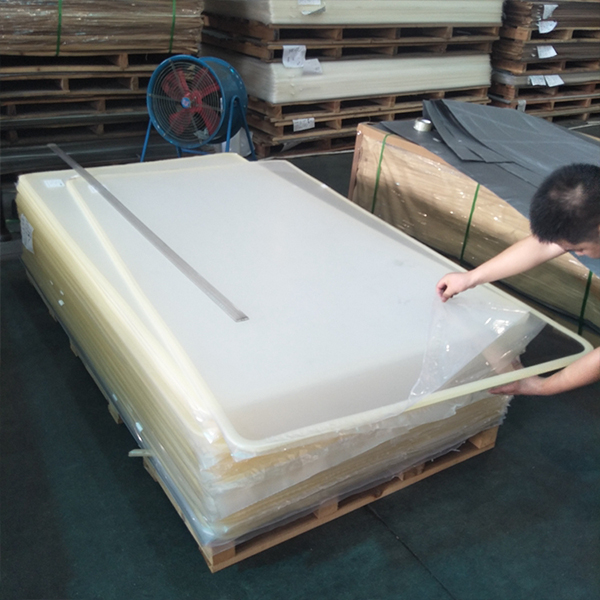
High-quality clear plexiglass offers clarity comparable to glass and can transmit light very efficiently, which is why it is widely used for windows, displays, and greenhouses.
Modern outdoor-grade acrylic sheets are formulated to resist yellowing under UV exposure, but long-term performance depends on the specific product grade and environmental conditions.
Use a soft microfiber cloth with mild soap and water, and avoid abrasive cleaners or rough sponges that can leave fine scratches on the surface.
Yes, plexiglass is often used for shower screens, cabinet fronts, and shelves because it resists moisture and is easy to maintain when properly installed and sealed.
Plexiglass is more impact-resistant and less likely to shatter than standard glass, which makes it a popular choice for windows, guards, and furniture surfaces in kid-friendly spaces.
1. https://www.acmeplastics.com/content/8-best-plexiglass-uses-in-your-home/
2. https://www.dullesglass.com/blog/9-best-uses-for-plexiglass-sheets-in-your-home-or-business
3. https://weacrylic.com/plexiglass-sheets-uses-in-your-home/
4. https://canada-plastics.com/plexiglass-acrylic-sheets-in-home-renovation-projects/
5. https://jumei-acrylic.com/best-uses-for-matte-black-plexiglass-in-design-and-diy/
6. https://shapesplastics.com/plexiglass-acrylic
7. https://www.acplasticsinc.com/informationcenter/r/using-plexiglass-as-a-building-material
8. https://professionalplastics.blogspot.com/2013/10/50-uses-for-plexiglass-acrylic-sheets.html
9. https://www.glassgenius.com/blog/uses-of-plexiglass-acrylic-sheets/
10. https://www.fabglassandmirror.com/blog/plexiglass-101-benefits-types-uses/