Shanghai Gokai Industry Co,.Ltd.
Call Us: +86-18918606548
Call Us: +86-18918606548
- Product Name
- Product Keyword
- Product Model
- Product Summary
- Product Description
- Multi Field Search
Views: 222 Author: Loretta Publish Time: 2026-02-10 Origin: Site


Content Menu
● Core Advantages of Acrylic Sheets
>> Acrylic Is Easy to Fabricate and Shape
>> Acrylic Is Lighter Than Glass but Stronger
>> Excellent Optical Clarity and Light Transmission
>> Durability, Weatherability, and UV Resistance
>> Ease of Cleaning and Everyday Maintenance
● Practical Applications and Use Cases for Acrylic Sheets
>> Retail and Commercial Displays
>> Windows, Glazing, Barriers, and Protective Screens
>> Aquariums, Tanks, and Specialized Containers
>> DIY Projects, Interior Design, and Furniture
● Design and Specification Tips for Acrylic Projects
>> Choosing the Right Acrylic Sheet
>> Installation and Handling Best Practices
● Why Acrylic Sheets Are a Smart Choice for Modern Projects
● Call to Action: Plan Your Next Acrylic Sheet Project
● Frequently Asked Questions About Acrylic Sheet
>> 1. Is acrylic stronger than glass?
>> 2. Does acrylic sheet turn yellow in sunlight?
>> 3. How should I clean acrylic without scratching it?
>> 4. Can acrylic be used outdoors all year round?
>> 5. What is the difference between cast and extruded acrylic?
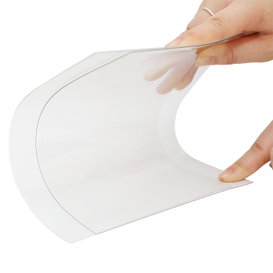
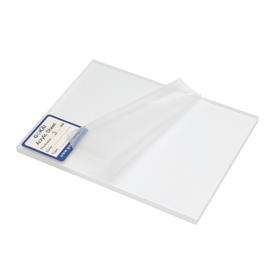
Acrylic sheet, also known as plexiglass or PMMA, is a high‑performance transparent plastic that combines glass‑like clarity with outstanding impact strength, light weight, and design flexibility, making it a smart choice for a wide range of architectural, retail, industrial, and DIY applications. Compared with traditional glass and many other clear plastics, acrylic offers better safety, easier fabrication, and more consistent long‑term appearance, which is why it has become one of the most widely used clear sheet materials in the world.
In this guide, you will learn the key advantages of acrylic sheets, how they compare to glass and other plastics, practical usage tips, and real‑world examples to help you decide whether acrylic is the right material for your next project. Whether you are designing retail displays, protective barriers, windows, aquariums, furniture, or custom OEM components, understanding the strengths of acrylic will help you make better technical and commercial decisions.
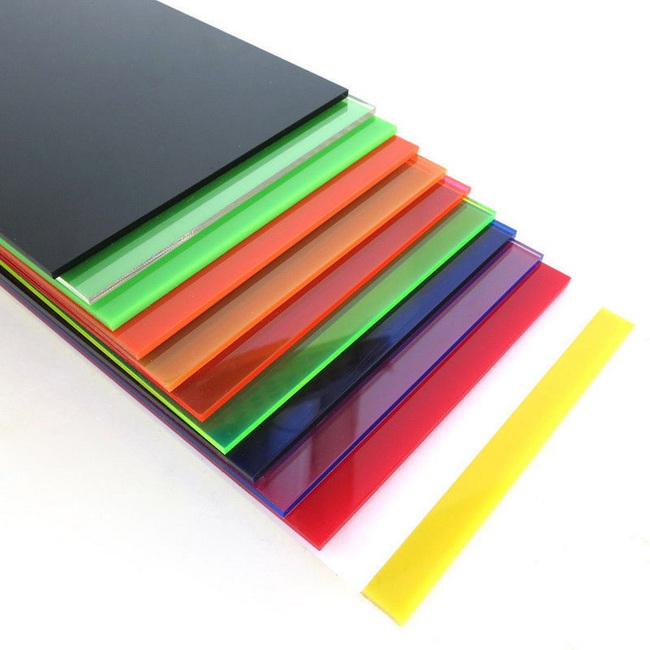
Acrylic is a synthetic thermoplastic polymer known technically as polymethyl methacrylate (PMMA), produced in both cast and extruded sheet forms with different performance and cost profiles. It is commonly sold under trade names such as plexiglass and is widely used for point‑of‑purchase displays, windows, signage, picture frames, aquariums, furniture, protective screens, and many other everyday products.
Because acrylic is a thermoplastic, it softens when heated and hardens again when cooled, which gives manufacturers and OEM partners tremendous flexibility in forming and fabrication. This property, combined with its optical clarity and mechanical performance, allows acrylic sheets to replace glass and other plastics in many demanding environments, from outdoor signage to architectural glazing and machine guards.
- Cast acrylic sheet – Generally offers better optical clarity, higher surface hardness, and improved chemical resistance; preferred for premium displays, aquariums, and high‑end architectural elements.
- Extruded acrylic sheet – More economical and consistent in thickness; ideal for volume production, thermoforming, and cost‑sensitive OEM components.
- Specialty acrylic sheet – Includes UV‑blocking grades, impact‑modified grades, mirror acrylic, frosted, tinted, and colored sheets to meet specific design or performance requirements.
The advantages of acrylic sheets span fabrication, handling, optical performance, durability, and maintenance, making them a versatile solution for both indoor and outdoor projects.
One of the biggest advantages of acrylic sheet is how easily it can be cut, machined, and shaped with standard tools, which reduces production time and tooling cost for both small‑batch and high‑volume runs. Acrylic sheets can be drilled, routed, laser‑cut, sawn, or milled using equipment similar to that used for wood or aluminum, and they can be bonded with specialty adhesives or solvent cements to create complex assemblies.
When heated to the correct forming temperature, acrylic becomes flexible and can be thermoformed over relatively simple molds made from wood, plastic, or aluminum. Once cooled, the sheet retains its new shape with good dimensional stability, allowing manufacturers to create custom displays, light boxes, protective covers, and curved glazing without expensive metal tooling.
- Suitable for CNC machining and laser cutting for precise edges and cut‑outs.
- Compatible with bending and line‑bending to create tidy right‑angle folds.
- Available in a wide range of thicknesses to match structural and design needs.
Acrylic is significantly lighter than glass, commonly about 50% of the weight for a similar‑sized panel, reducing handling risks, shipping cost, and structural demands on supporting frames. At the same time, acrylic offers much higher impact resistance, with tests showing that it can be many times more impact‑resistant than standard glass, depending on the specific material grade and thickness.
Under high impact loads, acrylic does not shatter into sharp, dangerous fragments like glass; if it fails, it tends to crack or break into larger, dull‑edged pieces, which improves safety in public spaces and high‑traffic environments. These safety and weight advantages make acrylic an attractive choice for shower doors, machine guards, sports arena barriers, balcony balustrades, and transport glazing where both performance and user protection are critical.
| Property | Acrylic Sheet | Standard Glass |
|---|---|---|
| Weight (same size) | Approx. 50% lighter. | Heavier, more difficult to handle. |
| Impact resistance | Much higher impact toughness; difficult to shatter. | Relatively brittle; shatters easily. |
| Failure mode | Cracks or breaks into large dull‑edged pieces. | Breaks into small, sharp shards. |
| Handling and installation | Easier lifting and installation; lower risk of breakage. | Needs careful handling and stronger supporting structures. |
Acrylic sheets provide outstanding optical clarity, with light transmission comparable to or even higher than standard glass, delivering a bright, clear view with minimal distortion. Unlike some plastics that quickly yellow or become hazy, quality acrylic maintains its transparency over time and is designed to resist discoloration when exposed to sunlight.
This stable, long‑term transparency is particularly valuable for applications such as retail displays, museum cases, aquariums, skylights, and protective screens where visibility and appearance directly affect user experience and commercial results. Because acrylic is available in clear, tinted, opal, frosted, and mirrored finishes, designers can balance light transmission, privacy, and visual branding in one material family.
Acrylic sheets are engineered to withstand a broad temperature range and outdoor exposure, offering better weather resistance than many other transparent plastics. Many grades include UV‑resistant additives or co‑extruded layers that protect against yellowing, embrittlement, and surface degradation from long‑term sunlight exposure.
Because of this UV and weather performance, acrylic is widely used for outdoor signage, light boxes, greenhouses, noise barriers, and architectural features that must retain their appearance and structural integrity for many years. In greenhouses and skylights, acrylic’s combination of impact strength, UV stability, and good thermal properties can help extend service life and reduce replacement and maintenance costs compared with traditional glazing materials.
While acrylic can scratch more easily than glass, it is generally simple to clean and maintain when proper procedures are followed. For routine cleaning, experts recommend using a soft, non‑abrasive microfiber cloth and a solution of mild soap and water, carefully removing dust and grit from the cloth before wiping to avoid creating fine surface scratches.
Acrylic should not be cleaned with ammonia‑based household glass cleaners because these chemicals can cause surface crazing, cloudiness, or other damage. Specialized plastic polishes and scratch‑removal kits can restore clarity and mend minor scuffs, helping acrylic installations stay visually attractive for longer periods with relatively low effort.
- Rinse loose dust with clean water.
- Apply a mild soap solution with a soft microfiber cloth.
- Gently blot or wipe, and do not use abrasive pads or paper towels.
- Rinse thoroughly and dry with a clean, soft cloth.
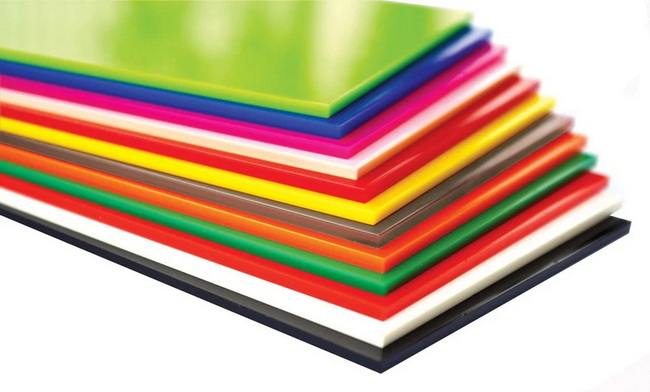
Because of their unique balance of strength, clarity, and processability, acrylic sheets have become a go‑to choice across many industries and project types.
In retail and commercial environments, acrylic is extensively used for point‑of‑purchase displays, shelving, product glorifiers, sign holders, and custom branded fixtures. The material’s clarity enhances product visibility, while its formability supports creative shapes, integrated lighting, and branded color schemes that help stores stand out and drive sales.
Since acrylic is more impact‑resistant than glass, it also improves safety in busy environments such as shopping centers, airports, and exhibition halls, where accidental knocks or collisions are common. For global OEM programs, acrylic displays can be fabricated in consistent dimensions and finishes, making it easier to implement unified retail concepts across different regions.
Acrylic is widely used as a lightweight alternative to glass for windows, doors, and protective barriers in both commercial and residential buildings. In environments where safety and durability are critical, such as schools, sports facilities, machine guarding, and public transport, acrylic’s impact strength and shatter‑resistant behavior offer clear advantages.
The material is also well suited for partitions and hygiene screens in offices, healthcare environments, and hospitality spaces because it combines high transparency with easy cleaning and chemical resistance to many disinfectants when used correctly. When designed and installed properly, acrylic glazing solutions can contribute to energy efficiency by providing better thermal insulation than single‑pane glass, especially when used in multi‑layer systems.
Acrylic’s strength‑to‑weight ratio and optical clarity make it the preferred material for many aquariums, display tanks, and specialized containers where clear viewing and structural safety are essential. Compared with glass, acrylic allows thicker, curved, or unusually shaped panels to be fabricated more easily, opening up creative possibilities for designers and architects.
Because acrylic transmits light efficiently and resists long‑term yellowing, it helps maintain realistic viewing conditions and a more attractive appearance over the lifetime of the installation. Its relatively low weight also simplifies transport and on‑site assembly of large panels for public aquariums and specialized industrial tanks.
Homeowners, makers, and professional designers often choose acrylic for custom furniture, interior glazing, shelving, wall art, and decorative panels due to its modern aesthetic and easy workability. Sheets can be cut and drilled with common workshop tools, and edge‑finishing techniques such as flame polishing deliver clean, glossy edges that look premium in residential and commercial interiors.
Coloured, frosted, and mirrored acrylic sheets support creative lighting effects and branded design features, enabling designers to combine function and visual impact in one material. Because acrylic is lighter than glass, it is especially attractive for hanging elements, wall‑mounted shelves, and mobile installations where weight is a design constraint.
To get the best performance from acrylic sheets in real‑world projects, it is important to pay attention to sheet selection, thickness, fabrication, and installation methods.
- Application environment – Consider whether the project is indoor or outdoor, and select UV‑resistant grades for long‑term sunlight exposure.
- Optical and aesthetic needs – Decide between clear, tinted, opal, frosted, or colored sheets based on light transmission, privacy, and branding requirements.
- Mechanical and safety demands – Select thicker or impact‑modified grades for high‑traffic areas, load‑bearing shelves, or protective barriers.
- Budget and production volume – Use cast acrylic for high‑end, visually demanding applications and extruded acrylic for cost‑effective mass production and thermoforming.
During installation, acrylic sheets should be handled gently, avoiding sharp tools or abrasive surfaces that can scratch or chip the material. Proper support and allowance for thermal expansion in framing systems are important, especially for outdoor panels exposed to temperature fluctuations.
- Use clean, soft gloves to avoid fingerprints and surface contamination.
- Support the sheet fully when lifting large panels to prevent bending stress.
- Allow for expansion gaps in frames and mounting systems.
- Use compatible sealants and gaskets designed for plastics rather than glass‑only products.
Acrylic sheets successfully combine critical performance factors, including impact strength, light weight, optical clarity, weather resistance, and fabrication flexibility, that many other materials cannot match in a single solution. For architects, designers, manufacturers, and DIY users, this balance translates into safer installations, creative design freedom, and more economical lifecycle costs compared with traditional glass or lower‑grade plastics.
By selecting the right acrylic type, thickness, and finish, and by following best practices for fabrication, installation, and maintenance, you can achieve reliable, long‑lasting results that look professional and perform as specified. For OEM projects and global supply programs, working with experienced acrylic sheet producers and fabricators adds the technical support and quality consistency needed to scale successful designs across markets.
If you are planning a project that requires clear, durable, and design‑friendly material, whether for retail displays, architectural glazing, protective barriers, aquariums, or custom OEM components, now is an ideal time to specify high‑quality acrylic sheets. Review your project’s environment, safety requirements, and visual goals, then collaborate with a specialist acrylic supplier or fabricator to choose the most suitable sheet grade, thickness, and processing method for a successful outcome.
For businesses that need consistent, scalable production of acrylic components as part of a wider plastic sheet portfolio, partnering with a manufacturer that also understands PVC foam board and other complementary materials can streamline sourcing and shorten development cycles. When you align material selection with expert fabrication and long‑term support, acrylic sheets become a powerful tool for building safer, more attractive, and more efficient products and spaces. Take the next step today by outlining your requirements and contacting a professional acrylic sheet supplier to discuss the best solution for your upcoming project.
Contact us to get more information!
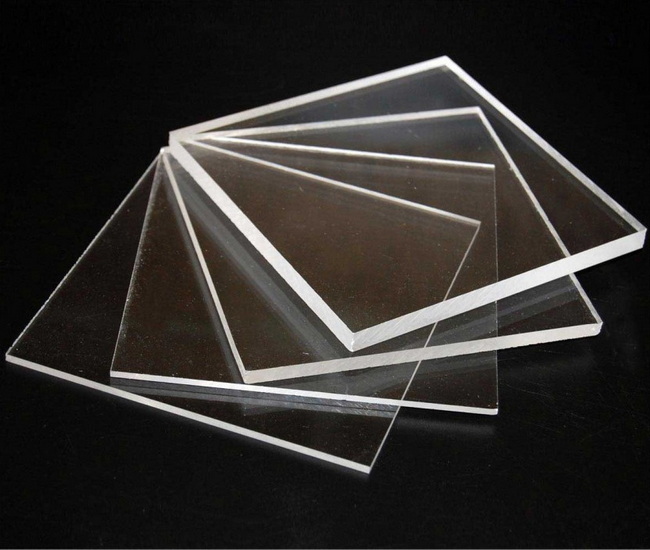
Yes. Standard acrylic sheet offers significantly higher impact resistance than ordinary glass of the same thickness, and it is much less likely to shatter into sharp fragments when subjected to impact or stress. This makes acrylic a safer option for many applications, including protective barriers, sports arena glazing, and security screens.
High‑quality acrylic sheets are designed with good UV resistance and generally do not yellow quickly when exposed to sunlight, especially when UV‑stabilized grades are selected for outdoor use. Over time, acrylic maintains its clarity and color better than many alternative clear plastics used in similar outdoor applications.
To clean acrylic, use a soft microfiber cloth and a mild soap‑and‑water solution, gently wiping away dust and dirt without strong pressure. Avoid ammonia‑based glass cleaners, abrasive pads, and harsh chemicals, as these can cause scratching, hazing, or surface damage; dedicated acrylic cleaners and polishes are often recommended for best results.
Yes, many acrylic sheet grades are suitable for long‑term outdoor use and are designed to withstand sun, rain, and temperature fluctuations without losing clarity or becoming brittle. For demanding exterior applications such as signage, greenhouses, and noise barriers, UV‑resistant or specially formulated outdoor acrylic grades are typically specified to ensure long service life.
Cast acrylic is manufactured by pouring liquid monomer into molds, resulting in sheets with excellent optical quality, higher surface hardness, and better chemical resistance, which is ideal for premium applications like aquariums and high‑end displays. Extruded acrylic is produced by pushing material through a die, delivering more uniform thickness and a lower cost per sheet, making it popular for volume production and thermoformed components.
1. https://flacrylic.com/uses-of-acrylic-sheets-10-surprising-applications/
2. https://pdmsourcings.com/blog/acrylic_sheets_benefits/
3. https://plasticsheetsshop.co.uk/blog/what-is-acrylic/
4. https://royaletouche.com/blog/what-is-acrylic-sheet/
5. https://tirapid.com/Acrylic-machining/
6. https://uvacrylic.com/blog/10-advantages-of-acrylic-you-need-to-know/
7. https://www.acmeplastics.com/content/30-amazing-acrylic-pmma-plastic-facts-and-figures/
8. https://www.acmeplastics.com/content/advantages-acrylic/
9. https://www.echo-plastic.com/acrylic-advantages-and-disadvantages/
10. https://www.plasticsplus.co.uk/news/what-are-the-benefits-of-acrylic-sheets-compared-to-glass/
11. https://www.welldonplastics.com/news/benefits-of-using-acrylic-products-in-your-projects.html