Shanghai Gokai Industry Co,.Ltd.
Call Us: +86-18918606548
Call Us: +86-18918606548
- Product Name
- Product Keyword
- Product Model
- Product Summary
- Product Description
- Multi Field Search
Views: 222 Author: Loretta Publish Time: 2026-02-06 Origin: Site


Content Menu
● What Is an Acrylic Sheet Aquarium?
● 1. Lightweight Construction for Easier Installation and Maintenance
>> Lightweight and Easy to Move
● 2. Exceptional Strength, Durability, and Impact Resistance
>> Highly Impact Resistant and Shatter Resistant
● 3. Superior Clarity and Viewing Experience
>> Brighter, Clearer Viewing Than Standard Glass
● 4. Design Flexibility and Custom Shapes
>> From Home Tanks to Giant Public Installations
● 5. Thermal Insulation and Energy Efficiency
>> Better Insulation Than Glass
● 6. Cost Effectiveness Over the Life of the Aquarium
>> Budget Friendly in Multiple Ways
● 7. Acrylic vs Glass Aquariums: Key Differences at a Glance
>> Feature by Feature Comparison
● 8. Practical Tips for Choosing and Maintaining an Acrylic Sheet Aquarium
>> How to Choose the Right Acrylic Tank
>> Maintenance Best Practices for Acrylic Aquariums
● 9. Ideal Applications for Acrylic Sheet Aquariums
>> Where Acrylic Aquariums Perform Best
● Start Your Acrylic Aquarium Project with OEM Support
● FAQs About Acrylic Sheet Aquariums
>> 1) Are acrylic sheet aquariums safer than glass aquariums?
>> 2) Do acrylic aquariums scratch easily?
>> 3) Will an acrylic aquarium turn yellow over time?
>> 4) Is acrylic better for large or custom shaped aquariums?
>> 5) How do I clean an acrylic sheet aquarium without damaging it?
Acrylic sheet aquariums are increasingly becoming the preferred choice for hobbyists, public aquariums, and commercial projects because they are lighter, stronger, and clearer than traditional glass tanks. If you want a display that is safe, energy efficient, and visually stunning, acrylic aquarium sheets offer a long term, high performance solution.
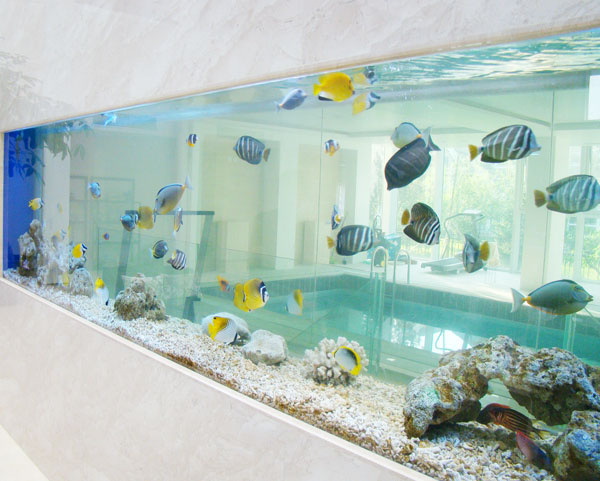
An acrylic sheet aquarium is a fish tank built from clear cast or extruded acrylic (PMMA) instead of glass, using flat or curved panels bonded together to create a watertight structure. Because acrylic is a high performance thermoplastic, it can be formed into unique shapes, thick viewing panels, and extra large displays that would be difficult or impossible to achieve with glass.
Key characteristics of acrylic aquariums:
- Material: PMMA (polymethyl methacrylate), often called acrylic, plexiglass, or Perspex.
- Light transmission: High visible light transmission, offering exceptional clarity.
- Applications: Home aquariums, public aquariums, underwater tunnels, hotel lobbies, shopping malls, and architectural features.
For manufacturers like Shanghai Gokai Industry Co., Ltd., acrylic sheet aquariums also create opportunities for OEM customization, such as bespoke sizes, colors, and fabrication for global brands.
Compared to glass, acrylic sheet aquariums are significantly lighter, which directly improves handling, logistics, and installation.
Acrylic tanks can be roughly half the weight of comparable glass tanks, depending on design and thickness. This reduction means you can move, position, or upgrade your aquarium with less structural reinforcement and lower transport costs.
Practical benefits of lighter acrylic tanks:
- Easier relocation for cleaning, remodeling, or moving to a new space.
- Less demand on flooring or cabinetry, especially for larger tanks.
- Lower shipping costs for international OEM orders and project based installations.
For large commercial aquariums or hotels, a lighter structure translates directly into lower engineering and construction costs, making acrylic an attractive material from both a technical and budget perspective.
One of the strongest arguments in favor of acrylic sheet aquariums is their impact resistance and structural safety.
Acrylic is widely recognized as far more impact resistant than standard glass, making it much less likely to shatter under accidental impact. This is crucial in busy environments such as public aquariums, schools, or retail spaces where bumps and knocks are more common.
Why durability matters in real projects:
- Enhanced safety: Acrylic tends to crack rather than explode into dangerous shards if stressed.
- Longer service life: Modern cast acrylic offers excellent resistance to mechanical stress, UV exposure, and temperature changes.
- Ideal for large installations: Deep tanks, curved tunnels, and domes demand a material that maintains integrity under high water pressure.
For OEM clients, specifying high quality cast acrylic sheets helps ensure long term performance and minimizes the risk of failure in demanding commercial or architectural applications.
For any aquarium, visual impact is everything, and this is where acrylic sheets shine.
Acrylic aquariums can provide excellent light transmission and clarity, while standard glass often shows a visible green tint, especially in thicker panels. Even in thick or curved viewing windows, acrylic maintains strong clarity and low distortion, delivering an immersive viewing experience.
Clarity advantages of acrylic sheet aquariums:
- Brighter, more vivid displays thanks to higher light transmission.
- No green edge that often appears in thicker glass panels.
- Better clarity for deep or large tanks, where glass would need to be much thicker and more visually distorted.
Public aquariums frequently choose acrylic for large tunnels and panoramic windows precisely because it allows visitors to feel closer to the underwater environment while maintaining optical quality.
Unlike glass, acrylic can be heated, thermoformed, and machined into complex geometries.
Acrylic can be curved, laminated, and bonded into cylindrical tanks, bow front displays, tunnels, domes, and custom architectural features. This flexibility enables designers to create distinctive installations that become focal points in hotels, shopping centers, and themed attractions.
Examples of acrylic aquarium design possibilities:
- Seamless curved panels for 180 degree or 360 degree viewing.
- Underwater tunnels in zoos, marine parks, and resorts.
- Space saving wall aquariums or room dividers in residential or office spaces.
Manufacturers offering OEM acrylic sheet fabrication can support architects and aquarium designers with pre cut panels, CNC machined components, and bonding support, helping turn complex concepts into reliable structures.
Acrylic sheet aquariums do more than just look good; they also perform better in terms of temperature control.
Acrylic generally insulates better than glass of the same thickness, helping maintain stable water temperatures and reducing energy consumption. In colder climates or temperature sensitive installations, increasing acrylic thickness can further enhance its insulating performance.
Benefits of improved insulation in acrylic tanks:
- More stable water temperature, which is critical for sensitive species.
- Lower heating or cooling costs for large or commercial aquariums.
- Reduced condensation on viewing panels in some environments.
For operators of public aquariums, hotels, or large retail installations, these efficiencies compound over time and make acrylic an economically smart choice.
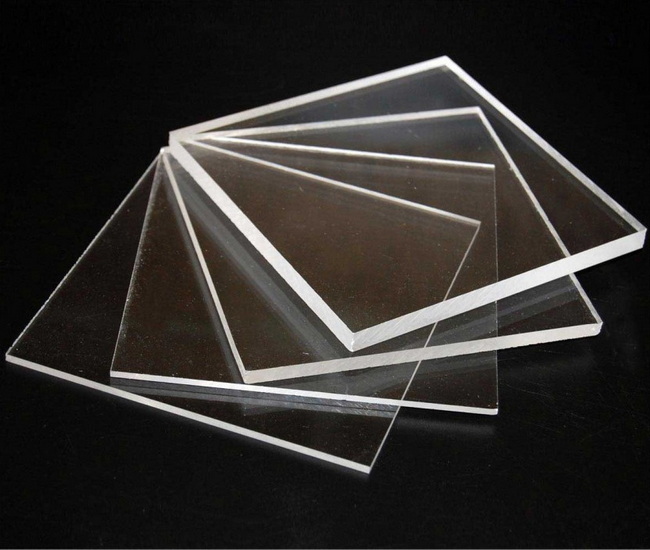
Although initial material costs can vary by region and specification, acrylic sheet aquariums often deliver strong lifecycle value.
Acrylic can be more affordable than glass for specific sizes and configurations, and weight savings can lower supporting structure and shipping costs. Its durability and impact resistance also reduce the likelihood of catastrophic failure, which can be extremely costly in high volume or public venues.
Where acrylic delivers financial value:
- Lower transport and installation costs for large panels and projects.
- Reduced risk of breakage during fabrication, shipping, and handling.
- Longer replacement cycles, especially when high quality UV resistant cast acrylic is used.
Over years of operation, these factors make acrylic sheet aquariums a cost efficient investment for both hobbyists and commercial clients.
The table below summarizes the main differences between acrylic sheet aquariums and traditional glass tanks.
Factor | Acrylic Sheet Aquarium | Glass Aquarium |
Weight | Significantly lighter, often much less weight for a comparable tank size. | Much heavier and may require stronger stands and flooring. |
Impact resistance | Highly impact resistant and resistant to shattering. | More brittle and prone to cracking or shattering on impact. |
Clarity | Excellent clarity with strong light transmission and minimal green tint. | Can show a green tint, especially in thicker panels. |
Shape and design | Highly formable, ideal for curves, tunnels, domes, and panoramic panels. | Mostly limited to flat panels and simple shapes. |
Insulation | Better thermal insulation, helping maintain stable water temperature. | Lower insulation, may require more heating or cooling. |
Maintenance | Can scratch more easily but scratches are typically polishable with proper kits. | More scratch resistant, but scratches are difficult or impossible to repair. |
Cost over lifecycle | Competitive overall cost, with savings from lower structure and transport needs plus long service life. | Lower upfront cost in some small sizes but potentially higher lifecycle costs due to weight and breakage risk. |
Selecting the right acrylic sheet aquarium involves more than just picking a size.
Use these steps as a practical framework when planning a new acrylic aquarium project:
1. Define the purpose: Decide whether the tank is for home use, retail display, public aquarium, or architectural feature.
2. Calculate size and water volume: Bigger tanks need thicker acrylic and stronger support; consult engineering guidelines for large projects.
3. Specify acrylic type: Choose cast acrylic for superior clarity, strength, and long term performance.
4. Plan viewing angles and shapes: Identify where viewers will stand and whether curved panels or tunnels will create a better experience.
5. Evaluate OEM options: For branded or complex projects, work with a manufacturer that offers custom cutting, bonding, and finishing services.
Acrylic requires slightly different care from glass, but with the right routine it can remain clear for many years.
- Use soft cleaning tools such as microfiber cloths or acrylic safe pads instead of abrasive scrapers.
- Choose acrylic safe algae removers and avoid harsh chemicals that can craze or damage the surface.
- Polish minor scratches using dedicated acrylic scratch repair kits, following manufacturer instructions.
- Keep sharp decor, rocks, or equipment away from interior surfaces to reduce the risk of gouging.
These simple practices help maintain the premium appearance and optical performance that make acrylic sheet aquariums so desirable.
Because of their strength, clarity, and weight advantages, acrylic sheet aquariums excel in use cases where glass struggles.
- Public aquariums and zoos: Large curved windows, deep tanks, and underwater tunnels.
- Hotels, malls, and offices: Feature walls, lobby aquariums, and high traffic display installations.
- Residential statement tanks: Large wall to wall or room divider aquariums where weight and support are critical.
- Outdoor or semi outdoor displays: UV resistant acrylic helps maintain clarity and appearance over time.
For any of these applications, partnering with a specialized acrylic sheet OEM supplier allows you to match material, thickness, and fabrication precisely to your design and performance requirements.
If you are planning a new aquarium or upgrading an existing project, choosing high quality acrylic sheets is one of the most impactful decisions you can make. Working with a specialist manufacturer that can provide OEM acrylic sheet solutions, thickness recommendations, and fabrication support will help ensure that your design, budget, and performance requirements are all met.
For global brands, designers, and contractors, partnering with an experienced acrylic sheet producer such as Shanghai Gokai Industry Co., Ltd. ensures consistent quality, reliable lead times, and expert technical guidance from design through installation. Contact our team today to discuss your acrylic aquarium concept, request technical data, or obtain a custom quotation for your next project so you can move from idea to installation with confidence.
Contact us to get more information!
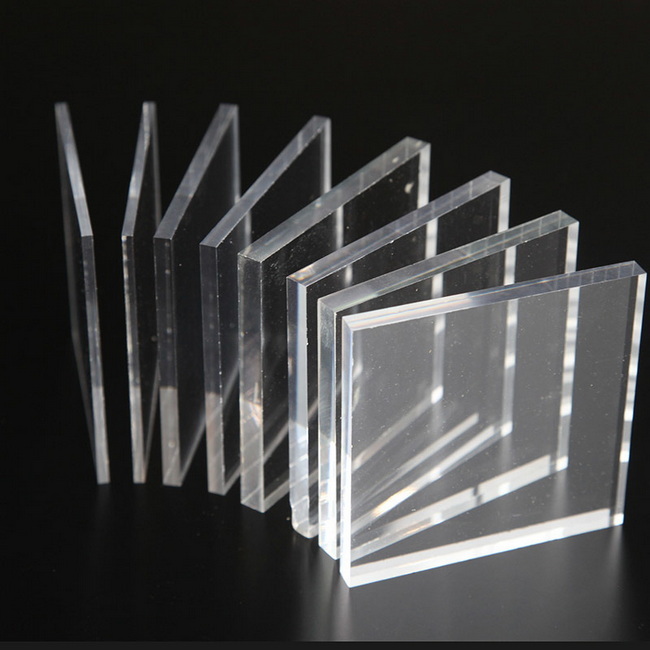
Yes. Acrylic is significantly more impact resistant than standard glass and is far less likely to shatter, which greatly reduces the risk of injuries or catastrophic water leaks in homes and public spaces. This makes acrylic aquariums a safer choice for high traffic areas and family environments.
Acrylic is softer than glass and can scratch more readily, but most superficial scratches can be polished out using acrylic repair kits. With proper cleaning tools and techniques, long term scratching can be minimized, allowing the tank to maintain a clear, attractive appearance.
Modern high quality cast acrylic sheets are formulated to resist yellowing and maintain long term clarity, even in installations with strong lighting or partial sun exposure. Choosing reputable materials and experienced suppliers is essential to ensure this level of performance in your aquarium.
Acrylic is ideal for large, deep, or uniquely shaped tanks because it is lighter, more impact resistant, and can be formed into curves, tunnels, and domes that are difficult to achieve with glass. This flexibility is a key reason why public aquariums and major attractions often rely on acrylic for their signature, large scale displays.
To clean an acrylic aquarium safely, use soft, non abrasive cloths or acrylic safe pads along with cleaners formulated for acrylic surfaces. Avoid rough scrapers or harsh chemicals that can cause scratching or crazing, and adopt a regular gentle maintenance routine to preserve clarity and extend the life of the tank.
1) https://www.acmeplastics.com/content/6-benefits-of-acrylic-sheet-aquariums/
2) https://ucacrylic.com/acrylic-aquarium-advantages-maintenance/
3) https://exceliteplas.com/benefits-of-using-acrylic-for-aquarium-fish-tanks/
4) https://www.leyuacrylic.com/acrylic-panel-for-aquarium-at-sea-and-underwater-leyu-acrylic-sheet-products-factory.html
5) https://turboplastic.com/blog/aquarium-acrylic-sheets/
6) https://www.red-fin.com/articles/acrylic-vs-glass-why-public-aquariums-use-acrylic-for-their-fish-tanks
7) https://www.hammerhead-aquatics.com/blogs/acrylic-or-glass-aquarium
8) https://www.titanaquaticexhibits.com/what-type-of-acrylic-is-used-for-aquariums/
9) https://turboplastic.com/blog/acrylic-sheets-for-aquarium/
10) https://aquavim.com/blogs/default-blog/the-benefits-of-glass-fish-tanks-vs-acrylic-fish-tanks