Shanghai Gokai Industry Co,.Ltd.
Call Us: +86-18918606548
Call Us: +86-18918606548
- Product Name
- Product Keyword
- Product Model
- Product Summary
- Product Description
- Multi Field Search
Views: 291 Author: Gokai Publish Time: 2026-06-26 Origin: Site


Content Menu
● Why Battery Storage Materials Matter More Than Ever
● Plastics vs. Metals in Battery System Design
>> Limitations of Metals in Energy Storage Enclosures
>> How Engineered Plastics Improve Battery Safety
● Core Plastic Families for Battery Storage Enclosures
>> PC and PC/ABS – The Workhorse for Battery Enclosures
>> Polypropylene – Proven for Conventional Battery Cases
>> Phenolic Laminates and Other Specialty Plastics
● Polycarbonate Solid Sheet for Battery Storage – Expert Focus
>> Why Polycarbonate Solid Sheet Is a First‑Choice Battery Material
>> Typical Battery‑Related Applications for Polycarbonate Sheet
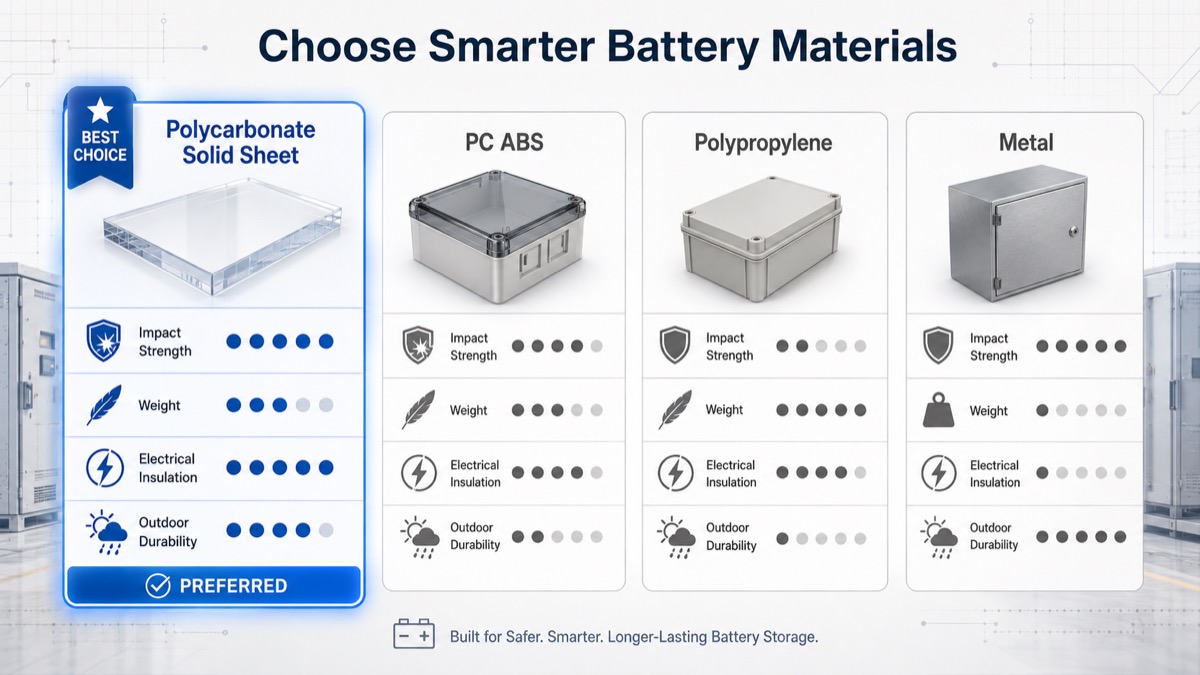
● Comparing Key Materials for Battery Storage Enclosures
>> Quick Material Comparison for Energy Storage Projects
● OEM Perspective – How Gokai Supports Global Battery Storage Projects
>> What Global Buyers Need from an OEM Sheet Supplier
>> Gokai's Role as a Polycarbonate Solid Sheet OEM Supplier
● Practical Selection Checklist for Battery Storage Materials
>> Step‑by‑Step Approach for Engineers and Procurement Teams
>> Application‑Based Recommendations
● Expert Insight – Design Mistakes to Avoid with Battery Plastics
● Call to Action – Partner with an OEM Expert for Polycarbonate Solid Sheet
● FAQ – Battery Storage Plastics and Polycarbonate Solid Sheet
Polycarbonate solid sheet has become one of the most reliable plastic materials for modern battery storage enclosures, combining exceptional impact resistance, electrical insulation, and long‑term outdoor durability for OEM energy projects worldwide. [energystrat]
As someone who has spent years advising energy storage OEMs, EPC contractors, and industrial designers, I've seen a clear pattern: the success of a battery project often depends less on cell chemistry and more on the materials that surround the cells. From residential solar systems to utility‑scale battery energy storage systems (BESS), enclosure materials now play a central role in safety, regulatory compliance, and lifecycle cost. [energyindustryreview]
In this expert guide, we'll look at how plastics—especially polycarbonate solid sheet—are transforming battery storage design, where traditional metals and glass fall short, and how OEM suppliers like Gokai support global buyers with customized solutions that go beyond standard catalog parts. [solutions.covestro]

Modern lithium‑ion and emerging chemistries store large amounts of energy in compact spaces, which inevitably generates heat and the risk of gas release or thermal runaway if cell integrity is compromised. A single cell failure can cascade, damaging adjacent cells and igniting surrounding components, which makes enclosure design and material choice a first‑line safety defense rather than a cosmetic detail. [energystrat]
At the same time, global BESS deployments are growing rapidly, with shipped energy storage systems projected to surpass 600 GWh in 2026, driven by solar integration and AI data center demand. As volumes increase, project teams are under pressure to standardize designs, reduce weight, and maintain safety and performance across diverse climates and regulatory environments. [reuters]
Metals have long been used for industrial enclosures, but in battery storage they introduce three critical challenges. [energystrat]
- Electrical conductivity, which increases the risk of arcing and short circuits if insulation fails. [energystrat]
- High weight, especially in large BESS containers, which raises structural and transport costs. [energyindustryreview]
- Limited design flexibility, making complex venting paths, cable routing, and integrated mounting features harder to implement without multi‑part assemblies. [energystrat]
In my experience working with utility‑scale projects, these drawbacks often translate into higher installation costs, more complicated safety engineering, and longer design cycles compared with high‑performance plastics. [reuters]
Selected thermoplastics and composites provide a combination of electrical insulation, flame performance, chemical resistance, and impact strength that metals struggle to match in compact energy systems. [solutions.covestro]
Key material advantages include: [energystrat]
- Electrical insulation to prevent arcing and isolate busbars, cell spacers, and covers.
- Flame retardancy (UL 94 V‑0 grades) to self‑extinguish and help contain thermal events.
- Thermal stability to maintain clearances and mechanical integrity during charging and discharging cycles.
- Chemical resistance against electrolytes, solvents, and vent gases.
- Impact and vibration resistance for mobile storage and transport applications.
- Design flexibility and weight reduction through injection molding, thermoforming, and CNC machining.
When specified correctly, plastics do more than "hold" the battery; they become active safety components, shaping airflow, venting paths, and structural reinforcement inside the pack or cabinet. [energystrat]
Flame‑retardant polycarbonate (PC) and PC/ABS blends are widely trusted for battery trays, module covers, busbar guards, and complete enclosure shells. These materials combine: [solutions.covestro]
- High impact strength to resist mechanical shock and debris.
- UL 94 V‑0 flame ratings for enhanced fire mitigation.
- Dimensional stability over thousands of thermal cycles, reducing warpage and creep.
Because they can be precisely molded or machined, PC and PC/ABS give engineers freedom to integrate cell retention, airflow channels, and sealing surfaces into a single component, simplifying assembly and lowering system weight. [solutions.covestro]
Polypropylene (PP) has long been used for lead‑acid battery cases and now appears in spill trays, spacers, and containment barriers in lithium systems. It offers: [energystrat]
- Excellent chemical resistance to acids and many electrolytes. [energystrat]
- Low density, making large racks lighter without sacrificing strength. [energystrat]
- UV‑stabilized grades for limited outdoor exposure in certain designs. [energystrat]
While PP is valuable, it generally cannot match polycarbonate solid sheet in impact resistance and high‑temperature performance, particularly for demanding energy storage applications. [solutions.covestro]
Phenolic laminates such as G‑10 and GPO‑3 act as electrically insulating, mechanically robust panels within battery racks, serving as spacers and busbar mounts. In addition, acetal, nylon, and PTFE appear in actuators, grommets, and pressure relief valves, all contributing to system safety and durability. [energystrat]
These materials complement but do not replace polycarbonate solid sheet, which typically forms the main transparent or semi‑transparent protective barrier around modules and electronics. [solutions.covestro]
Among available plastics, polycarbonate solid sheet stands out when you need a combination of clarity, impact strength, and long‑term outdoor performance. Based on both manufacturer data and real project feedback, the material offers: [solutions.covestro]
- Extreme impact resistance—often rated dozens or even hundreds of times stronger than glass at similar thickness. [solutions.covestro]
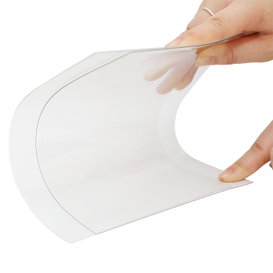
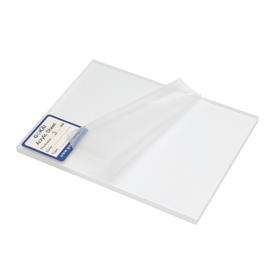
- High optical clarity in clear, translucent, and tinted variants, useful for inspection windows and visible modules. [solutions.covestro]
- Excellent temperature resistance, with performance typically maintained up to around 120 °C before softening. [solutions.covestro]
- UV‑stabilized grades for outdoor installations where sunlight and weathering are key concerns. [solutions.covestro]
- Low weight relative to glass, reducing structural load and easing installation logistics. [solutions.covestro]
In battery storage practice, switching from glass or standard plastics to polycarbonate solid sheet often leads to a dramatic reduction in breakage, maintenance interventions, and safety incidents, especially in high‑traffic or harsh‑weather sites. [reuters]
Based on common industry use cases and OEM specifications, polycarbonate solid sheet is widely adopted in: [energystrat]
- Battery module covers and pack housings for energy storage cabinets and UPS systems.
- Protective glazing over switchgear and live components in BESS containers.
- Impact‑resistant doors and inspection windows on outdoor battery enclosures.
- Structural shields in EV battery housings and industrial equipment storage.
Beyond batteries, the same material is used in greenhouse panels, roofing, safety barriers, and machine guards, proving its durability in demanding outdoor and industrial environments. [unqpc]
| Material | Key strengths for battery storage | Limitations in energy systems |
|---|---|---|
| Polycarbonate solid sheet | Very high impact strength; good clarity; flame‑retardant grades; strong thermal stability; UV‑stable options (energystrat) | Higher cost than commodity plastics; needs correct UV grade in outdoor use (solutions.covestro) |
| PC/ABS | Good toughness; UL 94 V‑0; easy molding for complex geometries (energystrat) | Lower clarity; more suited to opaque housings than transparent covers (energystrat) |
| Polypropylene | Acid‑resistant; light; proven in lead‑acid cases and spill trays (energystrat) | Lower impact resistance; limited high‑temperature margin vs PC (energystrat) |
| Phenolic laminates (G‑10, GPO‑3) | Excellent electrical insulation; mechanical strength; fire resistance (energystrat) | Not transparent; typically used as internal panels rather than outer glazing (energystrat) |
| Metal (steel, aluminum) | High structural strength; established fabrication ecosystem | Electrically conductive; heavier; less flexible for integrated enclosure features (energystrat) |
For battery storage OEMs aiming at safe, lightweight, and visually accessible cabinets, polycarbonate solid sheet typically forms the primary viewing and protection surfaces, while PC/ABS, PP, and laminates handle internal structure and insulation. [solutions.covestro]
From the buyer side—whether you are an energy brand, project contractor, or components distributor—the choice of material is only the first step. You also need an OEM partner who can deliver consistent quality, customization, and export‑ready logistics. [gokai.com]
The most successful battery storage projects I've seen work closely with OEM suppliers to define: [gokai.com]
- Custom dimensions and thicknesses matched to module layouts and mechanical drawings.
- Color and light transmission (clear, opal, tinted) to balance visibility, branding, and glare control.
- Surface and functional options such as UV coating, anti‑scratch, or heat‑blocking formulations.
- Packaging and labeling aligned with local regulatory and retail needs.
Without this level of detail, even high‑quality material can underperform—either by failing local codes or by generating unnecessary installation cost and waste. [gokai.com]
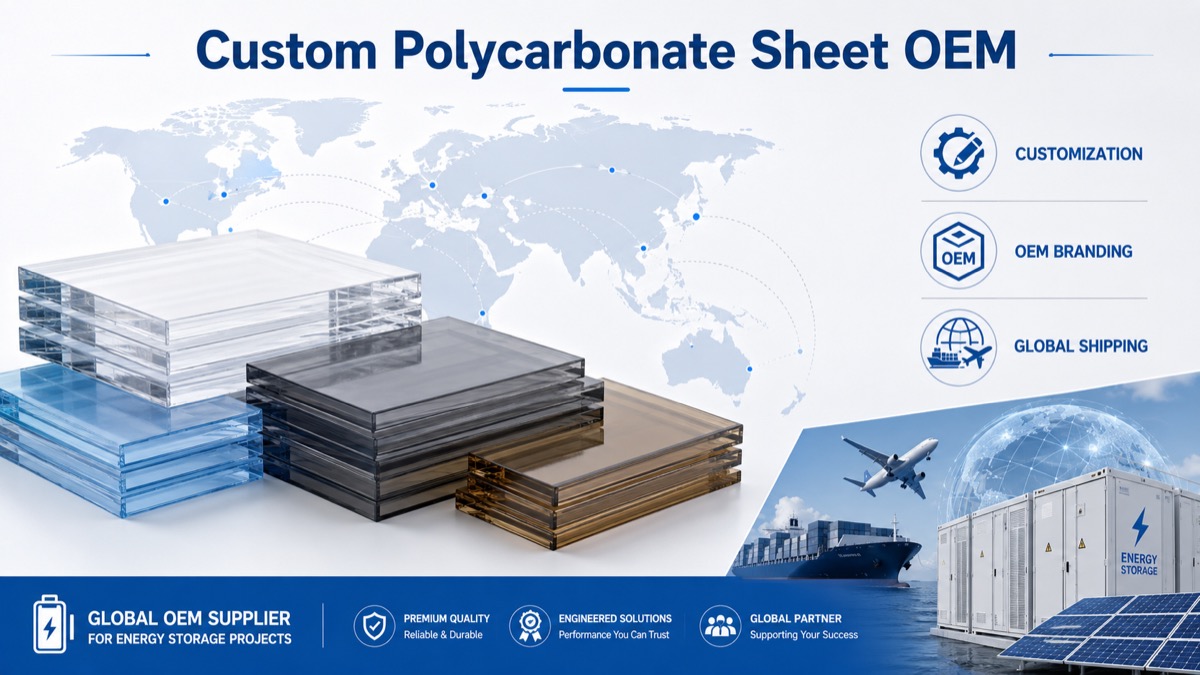
Gokai operates as a specialized plastic sheet supplier with OEM capabilities for polycarbonate solid sheet and other engineering plastics. For battery storage and related energy applications, Gokai can support global customers with: [cn.gokai.com]
- Customized polycarbonate solid sheet sizes and thickness ranges optimized for impact resistance, wind load, and weight targets. [gokai.com]
- Tailored colors and tints for branding or light management, including clear, opal, bronze, and other tones. [gokai.com]
- UV‑stabilized, flame‑retardant grades suitable for outdoor battery cabinets, rooftop enclosures, and industrial sites. [gokai.com]
- OEM branding, labeling, and packaging, including export‑ready pallets designed for long‑distance shipping. [gokai.com]
For buyers who need both technical guidance and scalable production, collaborating with a specialized OEM like Gokai helps bridge the gap between material science and commercial deployment. [gokai.com]
Based on work with hundreds of outdoor and industrial projects, the most reliable way to choose enclosure materials for battery storage is to follow a structured checklist that balances performance, risk, and cost. [energystrat]
1. Define the primary requirement
Is impact resistance, electrical insulation, or optical clarity your top priority? [solutions.covestro]
2. Analyze environmental exposure
Consider UV intensity, temperature extremes, moisture, airborne pollutants, and the likelihood of mechanical impacts. [reuters]
3. Set target service life
Short‑term deployment and test units may tolerate lower‑grade materials; long‑term grid assets demand durable, UV‑stabilized plastics like polycarbonate solid sheet. [energyindustryreview]
4. Check safety and compliance
Confirm local requirements for flame ratings, impact performance, and electrical insulation, especially in public or high‑traffic areas. [energystrat]
5. Balance budget with lifecycle cost
Lower‑cost materials can increase replacement and maintenance frequency; premium polycarbonate grades often reduce total cost of ownership over 10–20 years. [energyindustryreview]
6. Validate OEM and logistics capability
Ensure your supplier can provide consistent quality, documentation, OEM packaging, and international shipping support. [gokai.com]
For most battery storage scenarios, the following baseline recommendations have proven effective. [solutions.covestro]
- Residential and commercial battery cabinets: Polycarbonate solid sheet for doors and windows; PC/ABS for opaque panels; PP for internal trays.
- Utility‑scale BESS containers: Polycarbonate solid sheet glazing and access panels; laminates for internal busbar support; metals for outer structure with plastic insulation.
- Industrial UPS and data center storage: PC and PC/ABS enclosures, with polycarbonate solid sheet used where visual inspection is needed and impact risk is high.
These patterns are not rigid rules, but they provide a practical starting point for design teams planning new energy storage platforms. [energystrat]
From a user experience and safety perspective, I often see the same avoidable issues in early‑stage battery enclosure designs. [solutions.covestro]
- Under‑specifying impact resistance, for example using standard acrylic or thin glass in locations exposed to tools, debris, or vandalism.
- Ignoring UV stability, especially in rooftop or outdoor cabinets, which leads to yellowing and embrittlement over time.
- Treating plastics as purely aesthetic, rather than integrating them into venting, shielding, and cable‑management strategies.
In contrast, engineers who treat polycarbonate solid sheet as a structural, safety‑critical component—selecting the right grade, thickness, and coating—tend to achieve better long‑term reliability and smoother field maintenance. [energystrat]
If your next energy storage project demands high‑impact resistance, electrical insulation, and outdoor durability, especially for battery cabinets, UPS housings, or utility‑scale BESS containers, it's time to consider polycarbonate solid sheet as a core enclosure material. [solutions.covestro]
Gokai's OEM capabilities allow global buyers to specify custom sizes, thicknesses, colors, and performance grades, backed by export‑ready packaging and long‑term production support. To move from concept to reliable deployment, share your mechanical drawings, performance targets, and local compliance requirements with Gokai's technical team and co‑develop a polycarbonate solid sheet solution that protects your battery assets for years to come. [cn.gokai.com]
Q1: Is polycarbonate solid sheet better than glass for battery enclosures?
Yes. Polycarbonate solid sheet is significantly more impact‑resistant and lighter than glass, which reduces breakage risk and structural load in battery cabinets and BESS containers. [energystrat]
Q2: How long can polycarbonate solid sheet last in outdoor battery applications?
With appropriate UV‑stabilized grades and correct installation, polycarbonate solid sheet can provide reliable clarity and mechanical strength for many years, even under strong sunlight and variable weather. [unqpc]
Q3: Can I use standard acrylic instead of polycarbonate for inspection windows?
Acrylic offers excellent clarity and surface hardness, but it is less impact‑resistant than polycarbonate; in high‑risk or public environments, polycarbonate solid sheet is typically the safer choice. [solutions.covestro]
Q4: What key parameters should I provide when sourcing OEM polycarbonate solid sheet for battery storage?
You should specify application type, required thickness, target impact performance, color or light transmission, environmental exposure, and any certification or branding needs so the OEM can match the grade and production plan. [gokai.com]
Q5: How do plastics help prevent thermal runaway from spreading in a battery pack?
Flame‑retardant and thermally stable plastics such as PC and PC/ABS can form rigid housings and barriers that contain gas or fluid release, maintain cell spacing, and slow fire propagation, especially when combined with engineered venting features. [energystrat]
1. Piedmont Plastics – *Which Plastic Material Is Best for Battery Storage?*
[https://www.piedmontplastics.com/blog/battery-storage-materials]
2. Gokai – *Die besten Kunststoffe für den Außenbereich im Jahr 2026 – Ein Expertenratgeber für Polycarbonat‑Massivplatten und darüber hinaus*
3. Energy Industry Review – *Battery Storage Capacity: Record Growth and Trends in 2026*
[https://energyindustryreview.com/power/battery-storage-capacity-record-growth-and-trends-in-2026/]
4. Energy Strat Consulting – *Battery Storage 2026: Market Outlook, AI Demand & Compliance*
[https://www.energystrat.consulting/battery-storage-2026-market-outlook]
5. Covestro – *Energy Storage | Polycarbonates*
[https://solutions.covestro.com/nl/highlights/articles/theme/applications/energy-storage]
6. UNQ – *10 Innovative Uses for Polycarbonate Sheets in Modern Construction*
[https://www.unqpc.com/10-innovative-uses-for-polycarbonate-sheets-in-modern-construction/]
7. Shanghai Gokai Industry Co., Ltd. – *PVC Sheet & OEM Capabilities*
[http://www.gokai.com.cn/pvc-sheet.html]
8. Shanghai Gokai Industry Co., Ltd. – *聚碳酸酯实心板 (Polycarbonate Solid Sheet)*