Shanghai Gokai Industry Co,.Ltd.
Call Us: +86-18918606548
Call Us: +86-18918606548
- Product Name
- Product Keyword
- Product Model
- Product Summary
- Product Description
- Multi Field Search
Views: 232 Author: Gokai Publish Time: 2026-06-23 Origin: Site


Content Menu
● Acrylic Sheet: The Modern Aquarium Standard
● Why Acrylic Is Better Than Glass for Aquariums
● Types of Aquarium‑Safe Plastics (and Why Acrylic Leads)
● Cast Acrylic vs Other Acrylic Types for Aquariums
● Glass vs Acrylic: Practical Differences at a Glance
● Design and Structural Considerations for Acrylic Aquariums
● Safety and Water Quality: Choosing Truly Aquarium‑Safe Plastics
● Maintenance: Keeping Acrylic Aquariums Clear and Damage‑Free
● Real‑World Use Cases: From Home Tanks to Public Aquariums
● How to Choose the Right Acrylic Sheet Supplier
● Step‑by‑Step: Planning an Acrylic Aquarium Project
● Why OEM Buyers Prefer Acrylic Sheet for Aquariums
● Work with an Acrylic Sheet Expert
● Call to Action: Start Your Acrylic Aquarium Project
● Frequently Asked Questions (FAQ)
Acrylic sheet is now the material of choice for modern aquariums, and as a manufacturer and OEM supplier, we've seen firsthand how the right plastic can make the difference between a safe, crystal‑clear display and a maintenance nightmare. This guide explains why acrylic sheet stands out for aquariums, how it compares with glass and other plastics, and how to choose the right material and supplier for your next project. [myhomeaquarium]

- Why acrylic sheet is the leading choice for aquariums
- How acrylic compares with glass and other plastics
- Practical design, safety, and maintenance tips
- OEM and custom solutions for global buyers
Acrylic has become the default material for many home, commercial, and public aquariums because it combines high clarity, strength, and design flexibility in a way that glass cannot match. Unlike traditional glass, acrylic can be fully transparent yet much lighter, which is crucial when structures must safely hold thousands of liters of water.
From our experience supporting OEM customers in Europe, North America, and Asia, cast acrylic sheet consistently delivers the best balance of optical quality, impact resistance, and long‑term durability for tanks, viewing panels, and custom displays. [cn.gokai.com]
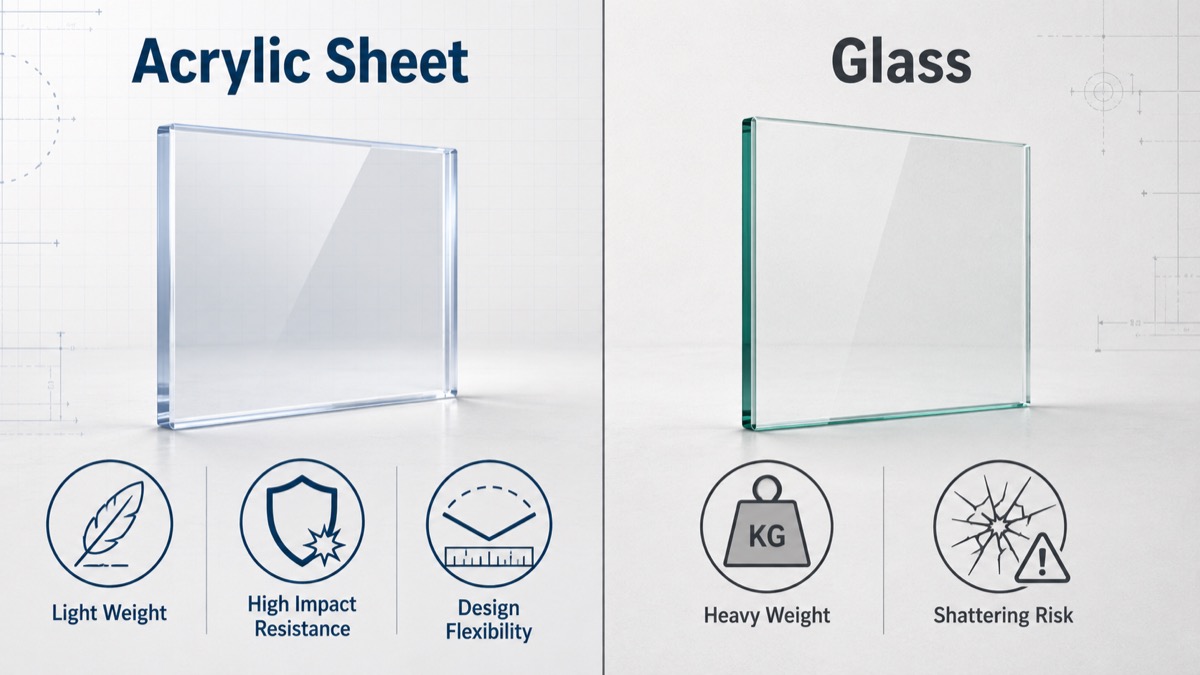
When engineers and designers compare materials, they usually evaluate weight, strength, impact resistance, clarity, and maintenance. Acrylic outperforms glass in most of these critical categories for aquarium applications.
Key advantages of acrylic over glass:
- Much lighter – a filled glass aquarium can weigh up to ten times more than an acrylic tank of the same size, which directly impacts installation, support structure, and transport.
- Far more impact resistant – acrylic is about ten times more impact‑resistant than glass, making it far less likely to crack or shatter in busy public spaces, schools, or family homes.
- Approximately 17 times stronger than glass in terms of resisting water pressure, especially important for large public or commercial tanks.
- Less visual distortion – acrylic reduces the refraction that makes fish look distorted or discolored through glass, especially at greater thicknesses.
Glass still has some advantages—mainly better scratch resistance and easy cleaning—but in structural and safety‑critical applications, acrylic is usually the smarter choice.
Not all plastics are safe for aquariums. Some contain additives or coatings that can leach chemicals into the water and stress or kill fish. Choosing aquarium‑safe or food‑safe plastics is therefore essential for any tank or aquatic transport application. [myhomeaquarium]
Common plastics used around aquariums:
- Acrylic (PMMA) – the primary structural material for tanks and viewing windows due to its clarity and strength.
- Marine‑rated HDPE – a stable, inert plastic often used for filtration components, sump tanks, and support structures; it is recognized as safe when properly rated. [spec-tanks]
- LDPE and polypropylene – used for piping, fittings, and some accessories when specified as aquarium‑ or food‑safe. [myhomeaquarium]
For the main tank body and viewing panels, acrylic is the clear leader because it can be produced in thick, optically clear panels that maintain structural integrity under constant water pressure.
Within acrylic itself, cast acrylic is the preferred grade for aquariums and large viewing windows. Cast acrylic is manufactured by a cell‑casting process that produces a stable molecular structure, resulting in outstanding mechanical and optical performance.
Why cast acrylic is preferred:
- Superior strength and rigidity under hydrostatic pressure, critical for large tanks.
- Strong, reliable bonding at the seams, which reduces the risk of leaks when using the correct adhesives and fabrication processes.
- High optical clarity with minimal distortion, even in very thick panels.
- Better resistance to crazing and stress cracking over time compared with lower‑grade plastics.
- Long‑term durability in both residential and public installations where tanks must remain safe and clear for many years.
As a manufacturer and OEM supplier, we typically recommend cast acrylic sheets in standardized thicknesses for most aquarium projects, then move to customized thickness and color solutions for large public displays or themed installations. [cn.gokai.com]
Below is a high‑level comparison of glass and acrylic for aquarium use:
| Aspect | Acrylic Sheet (Cast) | Glass Panel |
|---|---|---|
| Structural strength | About 17× stronger than glass under water pressure | Strong but less tolerant of high pressure |
| Impact resistance | About 10× more impact‑resistant than glass | More brittle; can crack or shatter |
| Weight | Much lighter; easier to transport and install | Heavy; requires stronger supports |
| Visual clarity | Low distortion even at larger thicknesses | Higher refraction; more distortion with thick glass |
| Scratching | Scratches more easily; can be polished and repaired | More scratch‑resistant but scratches are permanent |
| Shaping possibilities | Can be molded into curves, tunnels, and custom shapes | Limited to flat panels; minimal shaping options |
This combination of strength, design freedom, and repairability explains why acrylic dominates in modern commercial aquariums and many high‑end home installations.
From an engineering perspective, wall thickness, bracing, and support are the three main design variables when specifying acrylic aquariums. Because acrylic is significantly stronger and lighter than glass, designers can often achieve larger viewing windows with thinner panels, reducing overall material and structural costs.
Key design considerations:
1. Panel thickness
- Increase thickness as tank height and volume grow, to safely handle hydrostatic pressure.
- For large public tanks, cast acrylic sheets are often laminated or bonded to achieve very high thickness while maintaining clarity.
2. Bracing and framing
- Continuous top bracing and proper edge support help eliminate stress concentration and minimize panel deflection.
- Acrylic's lower weight means support frames and sub‑structures can also be lighter and more economical.
3. Seam integrity
- Water‑tight seams rely on correctly formulated industrial adhesives designed specifically for acrylic bonding.
- Professional fabrication and curing processes are essential to avoid micro‑cracks and long‑term leaks.
For OEM buyers and project owners, collaborating with a material supplier that understands both sheet production and downstream fabrication is critical to ensuring safe, long‑lasting installations. [cn.gokai.com]
In addition to structural performance, water quality and fish health depend heavily on material choice. Some plastics or coatings may release harmful substances over time, especially under constant contact with water and cleaning chemicals. [myhomeaquarium]
Best practices from industry guidance and aquarium specialists include:
- Use plastics labeled as food‑safe or aquarium‑safe, particularly for components that remain submerged for long periods. [spec-tanks]
- Avoid painted plastics, polyresin decorations, and untested materials, which may leach dyes or plasticizers into the water. [thevietpotter]
- Pre‑soak and test new components in water before introducing them into a live tank, checking for cloudiness, odors, or surface changes. [myhomeaquarium]
Acrylic and marine‑rated HDPE are widely recognized as stable, inert plastics when specified and processed correctly, making them reliable choices for structural and support components in aquariums. [spec-tanks]
One trade‑off of acrylic is that it scratches more easily than glass, especially when using aggressive cleaning tools or sand gets trapped between cleaning pads. However, unlike glass, many surface scratches in acrylic can be polished out, extending the service life of the tank.
Maintenance tips for acrylic aquariums:
- Use soft, non‑abrasive cleaning pads specifically designed for acrylic surfaces.
- Avoid metal scrapers and rough sponges that can create deep scratches.
- Rinse decorations and substrate thoroughly to remove sharp particles before introduction. [myhomeaquarium]
- Plan periodic professional polishing for high‑traffic public tanks to restore optical clarity.
By combining proper cleaning routines with good material selection, it is possible to maintain crystal‑clear acrylic panels for many years without structural or visual degradation.
Across the industry, cast acrylic sheet is now the standard for large public aquariums, hotel lobbies, and high‑end retail installations. Designers and contractors choose acrylic because it allows long, wide viewing windows, curved tunnels, and custom‑shaped tanks that would be impractical or unsafe with glass. [athenaswc]
Typical applications include:
- Home and office aquariums where lighter weight and impact resistance improve safety and convenience.
- Hotel and restaurant feature walls that demand both aesthetic impact and long‑term performance.
- Public aquariums and themed attractions where extremely large panels and curved forms are required, and where visitor safety is paramount.
Our OEM customers often rely on acrylic sheet for custom displays, branded aquariums, and integrated lighting features, using colored or mirrored acrylic to achieve unique visual effects without compromising structural performance. [cn.gokai.com]
For buyers, especially in B2B and OEM contexts, selecting the right acrylic sheet manufacturer and supplier can be as important as the material itself. Quality, consistency, and technical support directly affect both the safety and long‑term appearance of the tank. [athenaswc]
What to look for in a supplier:
- Proven specialization in acrylic sheets for structural applications, including aquariums and display systems. [cn.gokai.com]
- Access to multiple product lines, such as clear cast acrylic, colored acrylic, and mirrored acrylic, allowing flexible design choices. [cn.gokai.com]
- OEM and ODM support, including custom thickness, size, color, and edge finishing for project‑specific requirements. [cn.gokai.com]
- Technical guidance on thickness selection, bonding methods, and compatible adhesives to ensure long‑term performance.
Suppliers like Gokai, who focus on PVC foam board, acrylic sheet, and mirrored acrylic sheet, can support global buyers with integrated OEM solutions that align material performance with brand and project needs. [cn.gokai.com]
For project owners, architects, or brand managers, the path from concept to completed acrylic aquarium typically follows a structured process. [athenaswc]
1. Define the application and environment
- Indoor vs outdoor use, public vs private space, required viewing angles, and expected traffic.
2. Establish size, volume, and design goals
- Tank dimensions, shape (rectangular, curved, cylindrical, tunnels), and visual features such as colored or mirrored panels. [cn.gokai.com]
3. Consult with an acrylic sheet supplier
- Discuss water depth, safety factors, and regional standards to determine appropriate sheet thickness and grade. [athenaswc]
4. Align fabrication and installation
- Identify fabricators with experience in bonding and assembling large acrylic structures, and coordinate delivery formats (full sheets, pre‑cut panels, or partially assembled units).
5. Plan maintenance and lifecycle
- Define cleaning procedures, inspection intervals, and potential future expansion or refurbishment, to ensure the installation remains safe and visually appealing long term. [myhomeaquarium]
By following this framework, you reduce risk and ensure that material selection, engineering, and brand requirements stay aligned from the early planning stages. [athenaswc]
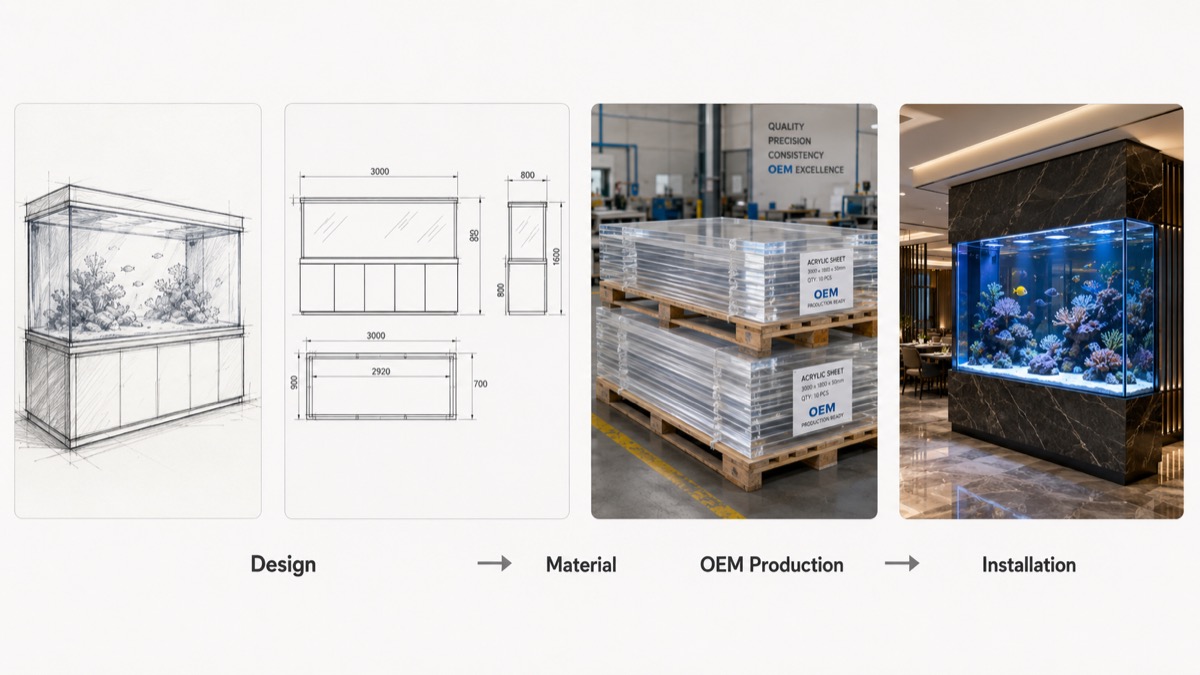
From a B2B perspective, acrylic offers a number of commercial advantages in addition to its technical benefits. OEM buyers and brand owners often value: [customacrylicproduct]
- Consistent quality across batches, which simplifies global roll‑outs of branded aquarium concepts.
- Scalability, as standard sheet formats and thicknesses can be integrated into multiple projects with minimal engineering changes. [customacrylicproduct]
- Design flexibility, allowing varied shapes, colors, and finishes for different regions, campaigns, or seasonal installations. [cn.gokai.com]
- Improved logistics, since lighter acrylic panels reduce shipping weight and make international installation more practical than comparable glass structures.
For companies integrating aquariums into retail, hospitality, or experiential spaces, this combination of design freedom and logistical efficiency often makes acrylic sheet the most cost‑effective long‑term solution. [customacrylicproduct]
Choosing the right material for an aquarium is not just a technical decision; it is a long‑term investment in safety, brand image, and customer experience. Working with an experienced acrylic sheet manufacturer and OEM partner ensures that everything—from sheet quality and thickness selection to fabrication support and after‑sales guidance—is aligned with your project goals. [cn.gokai.com]
If you are planning a new aquarium, upgrading existing installations, or developing a standardized concept for multiple locations, partnering with a specialist acrylic supplier allows you to build with confidence, knowing each tank is designed for clarity, strength, and long‑term performance. [cn.gokai.com]
If you are a contractor, designer, distributor, or brand owner considering acrylic for aquarium projects, now is the time to move from concept to specification. Engage with a dedicated acrylic sheet supplier that offers cast acrylic, colored acrylic, mirrored acrylic, and OEM support, and let their technical team help you select the right material, thickness, and format for your needs. [customacrylicproduct]
Whether you need a single custom tank or want to standardize acrylic aquariums across multiple sites, a knowledgeable partner will help you optimize safety, visual impact, and lifecycle cost from day one. [athenaswc]
1. Is acrylic really safe for long‑term aquarium use?
Yes. Cast acrylic is widely used in public aquariums and commercial installations because it is structurally strong, optically clear, and chemically stable when properly specified and maintained. [spec-tanks]
2. Does acrylic turn yellow over time?
High‑quality cast acrylic is engineered for long‑term clarity and includes stabilizers that resist yellowing; choosing reputable sheet manufacturers and following recommended cleaning practices helps maintain appearance.
3. How do I prevent scratches on an acrylic aquarium?
Use soft cleaning tools designed for acrylic, avoid abrasive pads or metal scrapers, and rinse substrate and decorations thoroughly; minor surface scratches can often be polished out if they occur. [myhomeaquarium]
4. Can acrylic aquariums be used outdoors or in high‑UV environments?
Many cast acrylic sheets include UV‑resistant formulations suitable for outdoor or high‑light areas, but project owners should confirm UV specifications and warranty terms with their material supplier. [cn.gokai.com]
5. What thickness of acrylic sheet do I need for my aquarium?
Thickness depends on tank height, length, and water volume; the safest approach is to consult with an acrylic sheet supplier or structural engineer who can recommend appropriate dimensions based on hydrostatic pressure and safety factors. [athenaswc]
1. Piedmont Plastics – “Best Plastic Material for Fish Tanks and Aquariums”. https://www.piedmontplastics.com/blog/aquarium-plastics
2. Gokai – “PVC Foam Board, Acrylic Sheet and Mirrored Acrylic Manufacturer”. https://cn.gokai.com.cn
3. Gokai – “Colored Acrylic Sheets (100% Colored Acrylic Sheet Manufacturer)”. https://cn.gokai.com.cn/colored-acrylic-sheets.html
4. Avvale – “Marketing Plan for Cast Acrylic Sheets Businesses”. https://avvale.co.uk/pages/marketing-plan-for-cast-acrylic-sheets-businesses
5. Athena SWC – “SEO for Plastics Manufacturing: Keys to Success”. https://www.athenaswc.com/resources/blog/seo-for-plastics-manufacturing-keys-to-success/
6. My Home Aquarium – “Aquarium‑Safe Decorations: What Can and Cannot Go in Your Tank”. https://myhomeaquarium.com/essential-equipment/aquarium-safe-decorations-can-and-cannot-go-in-your-tank/
7. The Viet Potter – “Fish Tank Decorations Guide”. https://thevietpotter.com/blogs/aquarium/fish-tank-decorations-guide
8. Spec‑Tanks – “Aquarium Safe Plastics”. https://spec-tanks.com/aquarium-safe-plastics/
9. Custom Acrylic Product – “How to Market Custom Acrylic Products Effectively”. https://customacrylicproduct.com/how-to-market-custom-acrylic-products-effectively/
10. Varn – “How to Write and Review E‑E‑A‑T SEO Content”. https://varn.co.uk/insights/how-to-write-eeat-content/