Shanghai Gokai Industry Co,.Ltd.
Call Us: +86-18918606548
Call Us: +86-18918606548
- Product Name
- Product Keyword
- Product Model
- Product Summary
- Product Description
- Multi Field Search
Views: 266 Author: Gokai Publish Time: 2026-06-22 Origin: Site


Content Menu
● What Makes Anti-Fatigue Mat Material "Good"?
● Core Materials Used in Anti-Fatigue Mats
>> Polyurethane
>> Rubber (Including Nitrile Rubber)
>> UHMW (Ultra High Molecular Weight Polyethylene)
>> Blended and Layered Materials
● Where PVC Foam Board Fits in the Anti-Fatigue Ecosystem
>> Core Properties of PVC Foam Board
>> How OEMs Use PVC Foam Board Around Anti-Fatigue Zones
● Expert Framework: Matching Material to Environment
>> Step 1: Define the Environment
>> Step 2: Select a Primary Surface Material
>> Step 3: Consider Lifecycle and OEM Economics
● Why Many Manufacturers Are Moving to Multi-Layer Systems
● Practical Design Tips from the Field
● How a PVC Foam Board Specialist Can Support Your Project
● Action Steps: Choosing Your Next Anti-Fatigue Material Stack
● FAQs About Anti-Fatigue Mat Materials and PVC Foam Board
Standing for hours on a hard floor is not just uncomfortable – it can directly impact productivity, injury risk, and even employee retention in industrial and commercial workplaces. As a long-time materials supplier working closely with OEMs worldwide, I've seen how the right anti-fatigue mat material can transform both worker comfort and lifecycle cost – and how options like PVC foam board are still underused in many projects. [mamatting]
A good anti-fatigue mat is not just soft. It must balance ergonomics, durability, safety, and maintainability. From OEM and facility engineer conversations, five criteria consistently decide whether a mat is successful long term: [mscdirect]
- Comfort & shock absorption – Reducing pressure on joints, lower back, and feet over long standing periods. [materialhandlingnc]
- Durability & compression set resistance – Maintaining thickness and cushioning after continuous use, not collapsing into a "flat pad" after a few months. [mamatting]
- Slip resistance & safety – Providing traction in dry, wet, or oily conditions to help prevent slips and falls. [healthmats]
- Chemical, oil, and moisture resistance – Critical in manufacturing, food processing, labs, and workshops. [materialhandlingnc]
- Ease of cleaning & hygiene – Smooth, closed surfaces that clean quickly and resist microbial growth in medical or food environments. [mscdirect]
From an OEM perspective, material choice is the single biggest lever you have to tune these properties for each application – and it directly affects warranty claims, brand perception, and repeat orders. [mamatting]
Most commercial anti-fatigue mats are based on polyurethane, PVC, rubber, UHMW, or blends of those materials. Each has a specific "sweet spot" where it performs best. [mamatting]
Polyurethane has become a premium standard for comfort in many commercial and light industrial settings. [mscdirect]
- Strengths:
- Excellent cushioning and rebound for long-standing tasks. [mamatting]
- Good durability and tear resistance in dry to slightly damp environments. [mamatting]
- Stable under repeated compression; high comfort per unit thickness. [mscdirect]
- Limitations:
- Less suitable for harsh heavy-industrial conditions with heavy loads, metal chips, or intense chemical exposure. [mscdirect]
- Typically higher material cost compared with standard PVC or basic rubber. [mscdirect]
Polyurethane is often the right choice for office, retail counters, and assembly workstations where comfort and appearance matter as much as durability. [mamatting]
PVC and PVC-based foams are common in medical, food, light industrial, and commercial environments thanks to their balance of cost, weight, and performance. [materialhandlingnc]
- Strengths:
- Lightweight and affordable, helping OEMs hit price targets while staying competitive. [mamatting]
- Naturally slip-resistant surfaces and good dimensional stability. [materialhandlingnc]
- Can be foamed or combined with rubber to significantly improve comfort. [mscdirect]
- Limitations:
- 100% PVC sponge is typically less durable than premium rubber or urethane, especially in demanding industrial use. [mscdirect]
- Standard PVC can be more sensitive to extreme temperature swings and certain aggressive chemicals. [mamatting]
Blends such as PVC + nitrile sponge can be over 50% softer than PVC alone and last significantly longer under round-the-clock use, making them a smart upgrade over basic PVC-only matting. [mscdirect]
Rubber remains a trusted workhorse in heavy industrial and greasy environments. [materialhandlingnc]
- Strengths:
- Excellent oil, grease, and fuel resistance, especially with nitrile formulations. [materialhandlingnc]
- Good traction in wet, oily, or contaminated conditions. [healthmats]
- Handles heavy loads, carts, and impacts better than many soft foams. [materialhandlingnc]
- Limitations:
- Can be heavier and harder to handle in large formats.
- Some rubber compounds may have odor or require more careful formulation for specific chemicals. [mscdirect]
In practice, rubber and nitrile-based mats are preferred for machine shops, maintenance bays, and food-processing lines where oils and chemicals are part of the daily environment. [materialhandlingnc]
UHMW is less about plush comfort and more about impact resistance and low friction in high-abuse areas. [mamatting]
- Strengths:
- Extremely tough and impact-resistant for heavy-duty workstations. [mamatting]
- Very low surface friction, allowing smooth movement of materials or equipment. [mamatting]
- Limitations:
- Typically used as a structural or surface layer rather than a soft cushioning core, so must be combined with another layer to provide real anti-fatigue comfort. [mscdirect]
UHMW-based components are more common where sliding, abrasion, and collision resistance are priorities, with separate underlayment providing the ergonomic function.
To fine-tune performance and control cost, many OEMs use multi-layer structures or material blends, such as PVC + rubber or polyurethane with nitrile rubber. [mscdirect]
- Key benefits:
- Ability to combine comfort (foam core) with durability and traction (rubber or textured skin). [mamatting]
- Targeted resistance to oils, chemicals, or welding sparks through a specialized top surface while retaining a softer interior. [plastexmatting]
- Improved lifecycle in 24/7 operations, with some blended sponge bases lasting 3–5 years of round-the-clock use. [mscdirect]
From an OEM design standpoint, layered constructions give you more design freedom to differentiate your product line by industry, environment, or price tier. [mamatting]
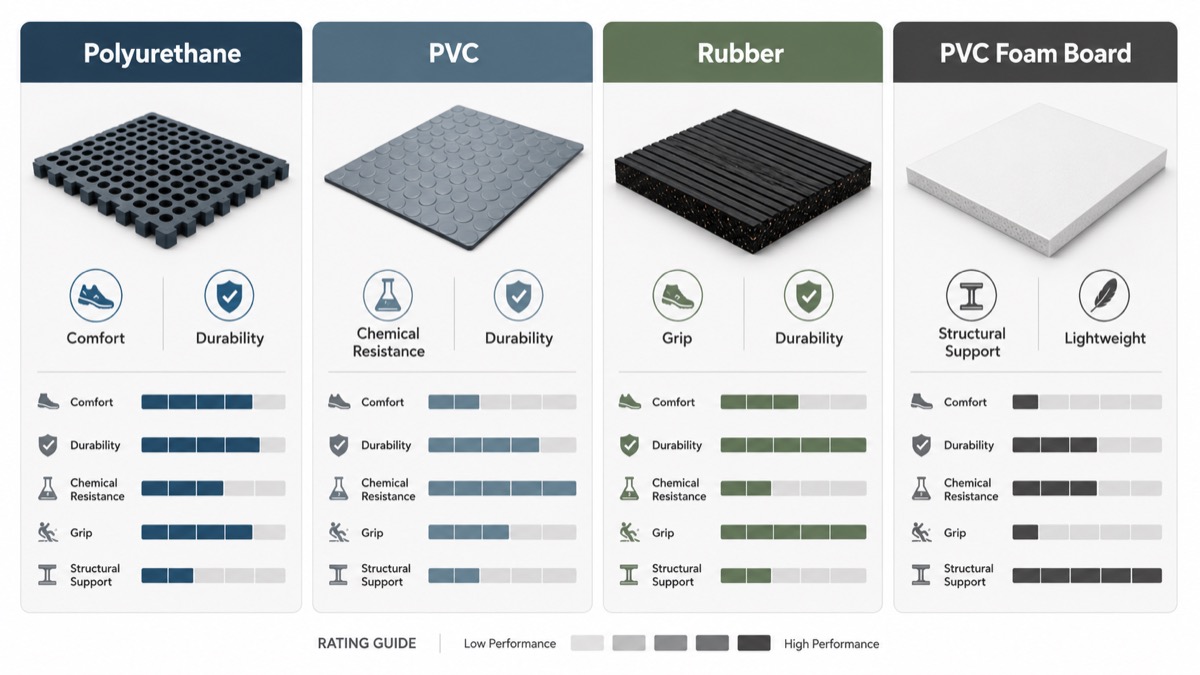
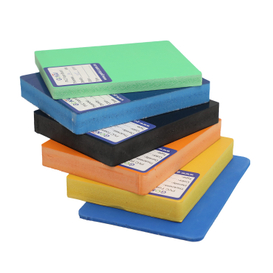
While polyurethane and rubber dominate the matting conversation, PVC foam board is increasingly used in OEM systems where flooring, platforms, or integrated structures must deliver both support and comfort. [olfaplastic]
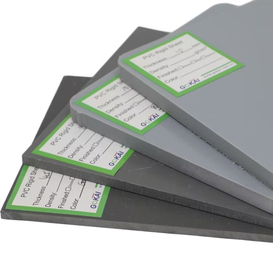
PVC foam board is a rigid or semi-rigid foamed PVC sheet with a microcellular structure that makes it: [polyflute]
- Lightweight yet stiff, reducing overall system weight while maintaining dimensional stability.
- Thermally insulating, with thermal conductivity commonly in the range of about 0.06–0.07 W/(m·K), helping reduce heat transfer through floors or platforms. [olfaplastic]
- Excellent in sound absorption and vibration damping, often outperforming concrete or MDF for noise reduction in partitions and panels. [olfaplastic]
- Resistant to moisture, acids, and alkalis, ideal for humid, corrosive, or chemically aggressive environments. [jinbaoplastic]
- Easy to fabricate, including cutting, drilling, thermoforming, and surface lamination, which is crucial for OEM customization. [polyflute]
These attributes make PVC foam boards widely adopted in construction, transportation, cold-chain, chemical plants, signage, and interior design. [jinbaoplastic]
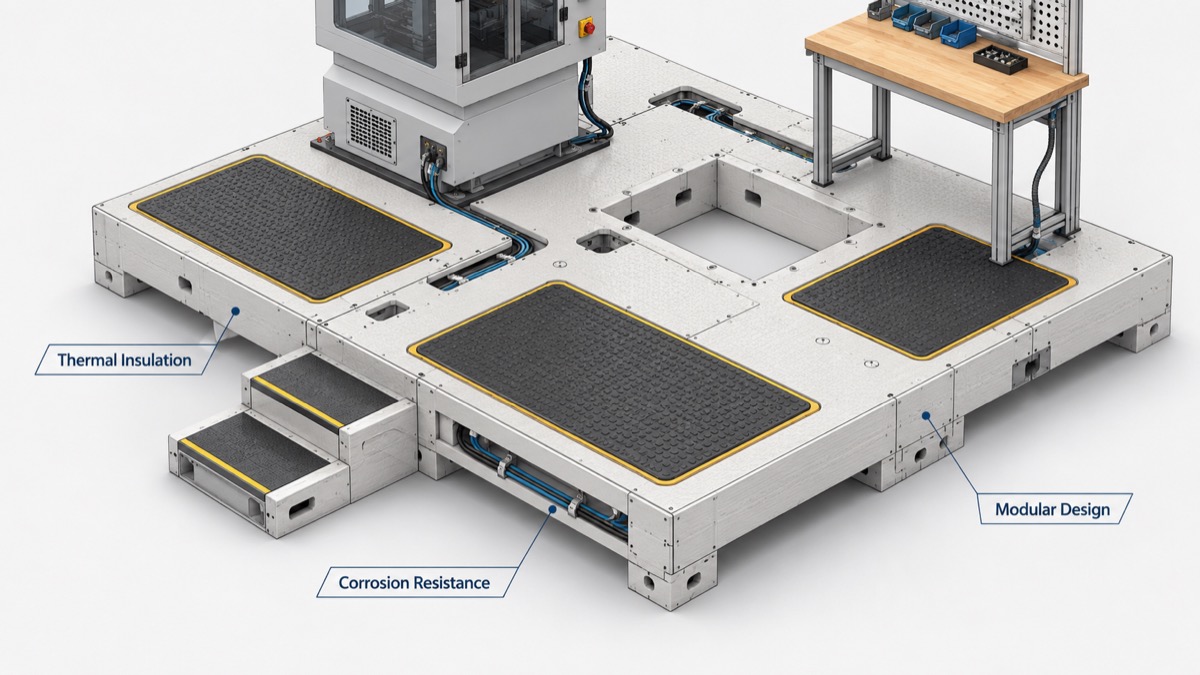
Although PVC foam board is not a traditional "mat" in the sense of a soft surface underfoot, it plays a growing role in integrated ergonomic platforms and modular workstation flooring: [jinbaoplastic]
- As a sub-floor or platform deck under anti-fatigue matting to add thermal insulation and noise reduction in cold rooms, cleanrooms, and production cells. [olfaplastic]
- As raised flooring or modular boards in wet or corrosive environments, paired with softer mat inlays at primary standing positions. [jinbaoplastic]
- As edge surrounds and walk-off zones to transition smoothly between anti-fatigue surfaces and hard floors, reducing trip risks while maintaining hygiene. [polyflute]
From our own work with global OEM clients, PVC foam board is especially valuable when you're designing multi-function work platforms that must integrate cable channels, machine bases, and operator standing areas in a single structure. [olfaplastic]
Choosing an anti-fatigue solution starts with the environment and risk profile, then backs into material selection. Below is a simplified framework often used by safety managers and industrial engineers. [mscdirect]
Ask four critical questions:
1. Is the area dry, wet, or oily?
2. Is chemical exposure light, moderate, or heavy?
3. Is traffic primarily people, or also carts and heavy equipment?
4. Is hygiene (food/medical) or ESD control a requirement?
Your answers determine whether PVC, rubber, polyurethane, blended systems, or PVC foam board-based platforms make the most sense. [materialhandlingnc]
- Dry, low-chemical, comfort-focused: Polyurethane or high-quality PVC foam mats.
- Wet or oily with heavy contamination: Rubber or nitrile-based mats with aggressive surface texture. [healthmats]
- Mixed exposure, long hours standing: PVC + rubber or urethane blends for balanced comfort and durability. [materialhandlingnc]
- Cold rooms, corrosive plants, integrated platforms: PVC foam board as deck/substrate with anti-fatigue surfaces at key standing locations. [jinbaoplastic]
Beyond ergonomics, material choice strongly affects total cost of ownership:
- Premium urethane mats may cost more upfront but can last 5+ years with consistent performance. [mscdirect]
- Blended sponge constructions often offer 3–5 years of continuous use, surpassing most basic PVC-only products. [mscdirect]
- PVC foam board structures, when properly designed, can deliver long service life in moisture- and chemical-intensive environments, reducing replacement frequency of platforms and bases. [olfaplastic]
For OEM brands, these lifecycle advantages translate into stronger value propositions and fewer after-sales issues. [mamatting]
Industry case studies show a clear trend toward multi-layer anti-fatigue systems, particularly in demanding industrial and food-processing facilities. [sourcifychina]
Typical stack-up might include:
- A PVC foam board or composite platform for structural support, thermal and acoustic insulation, and corrosion resistance. [jinbaoplastic]
- A bonded or floating anti-fatigue mat layer (urethane, PVC foam, or blended sponge) targeted at worker comfort. [materialhandlingnc]
- Optional top coatings or covers optimized for chemical resistance, ESD properties, or specific traction requirements. [plastexmatting]
This architecture lets OEMs and end-users upgrade or replace only the top ergonomic layer over time, while keeping the structural PVC foam platform in place – a key factor in long-term cost optimization. [plastexmatting]
Based on lessons learned from industrial projects and OEM collaborations, a few practical guidelines can significantly improve end-user satisfaction: [plastexmatting]
- Avoid over-soft surfaces. Mats that feel "luxuriously soft" at first can cause instability and fatigue in the knees and hips over time. Aim for controlled, resilient cushioning. [mamatting]
- Minimize trip hazards. Use beveled edges and transition strips, especially when integrating PVC foam board platforms with mat inlays. [healthmats]
- Think in zones. Reserve premium anti-fatigue materials for true standing zones and use more economical, durable materials in surrounding walkways. [plastexmatting]
- Plan for cleaning. Smooth PVC and polyurethane surfaces clean faster; perforated rubber may be better for drain-through in very wet processes but needs more maintenance. [materialhandlingnc]
- Design for modularity. PVC foam board panels, combined with modular mats, make it easier to reconfigure lines, replace damaged sections, or move equipment without scrapping the entire system. [olfaplastic]
These small design decisions often matter more to operators than the brand name on the mat.
As a PVC foam board and sheet supplier with global OEM experience, a partner like Gokai can do more than simply ship standard panels. [jinbaoplastic]
You can expect support in three key areas:
1. Material selection and thickness optimization
- Matching PVC foam board density and thickness to mechanical load, thermal insulation targets, and integration with your chosen mat system. [polyflute]
2. OEM customization and processing
- Cut-to-size panels, CNC machining for cable channels and cut-outs, surface lamination, and pre-bonded layers to streamline your production. [olfaplastic]
3. Global supply and consistency
- Stable quality, color consistency, and dimensional accuracy across batches, which is critical if you export finished flooring or workstation systems worldwide. [jinbaoplastic]
For OEM anti-fatigue solutions, this combination of material expertise + flexible processing + global logistics is what turns a basic commodity into a differentiated, branded product line.
If you are designing or sourcing anti-fatigue solutions, you can use this simple checklist:
1. Document the real environment (dry/wet/oily, chemicals, temperature, traffic).
2. Prioritize outcomes – comfort, safety, hygiene, or lifecycle cost; decide which matter most in this project.
3. Select a surface material family (rubber, PVC, polyurethane, blend).
4. Evaluate whether a PVC foam board platform can improve insulation, corrosion resistance, or modularity in your layout.
5. Prototype in one critical area, gather operator feedback, and then standardize across similar work cells.
If you are looking to integrate PVC foam board into ergonomic platforms or OEM mat systems, now is the right time to explore tailored solutions instead of relying on off-the-shelf mats alone. [olfaplastic]
Ready to develop a more advanced anti-fatigue solution? Reach out to your PVC foam board supplier's technical team with your application details (environment, load, layout), and ask for a material and structure recommendation tailored to your industry and export markets. [olfaplastic]

1. Are PVC anti-fatigue mats durable enough for industrial use?
PVC-based mats can perform well in light to medium industrial environments, especially when blended with nitrile or other rubber compounds that improve softness and lifespan. For heavy-duty, oily, or high-impact areas, rubber, nitrile, or layered systems usually deliver better long-term performance. [materialhandlingnc]
2. When should I consider polyurethane instead of rubber or PVC?
Polyurethane is ideal when long-term comfort in mostly dry conditions is the top priority, such as in assembly lines, labs, or high-end retail counters. It offers excellent cushioning and rebound, though it typically comes at a higher material cost and is less suited to very harsh, dirty environments. [mamatting]
3. How does PVC foam board differ from standard PVC mats?
PVC foam board is a rigid, structural sheet with a foamed core, used for platforms, partitions, and decks rather than as a standalone soft mat. Standard PVC anti-fatigue mats are flexible, compressible surfaces designed primarily for direct foot comfort. [polyflute]
4. Is PVC foam board suitable for food or cold storage facilities?
Yes, PVC foam board is widely used in cold rooms, refrigerated trucks, and food-related environments because of its thermal insulation, moisture resistance, and resistance to many cleaning chemicals. It is often combined with dedicated anti-fatigue layers at the main standing positions for operator comfort. [jinbaoplastic]
5. How can OEMs reduce the total cost of ownership of anti-fatigue solutions?
The most effective strategy is to use long-life materials (such as premium urethane or blended sponge) in true standing zones, combined with durable, modular platforms like PVC foam board for the structural base. This approach allows partial replacement of only the worn ergonomic layer instead of rebuilding the entire floor or platform. [plastexmatting]
1. Piedmont Plastics – “The Best Materials for Anti-Fatigue Mats”. https://www.piedmontplastics.com/blog/anti-fatigue-mats-materials
2. M+A Matting – “Anti-Fatigue Matting 101”. https://www.mamatting.com/anti-fatigue-matting-101
3. MSC Industrial Supply – “Anti Fatigue Mats: Types, Uses, and Rubber Compounds”. https://www.mscdirect.com/resources/buying-guides/matting
4. Material Handling NC – “Different Types of Anti-Fatigue Matting”. https://materialhandlingnc.com/different-types-of-anti-fatigue-matting/
5. Olfa Plastic – “PVC Foam Board: Industrial Applications & Benefits”. https://olfaplastic.com/pvc-foam-board-industrial-applications/
6. Jinan Jinbao Plastic – “What Are the Uses of PVC Foam Board?”. https://www.jinbaoplastic.com/What-are-the-uses-of-PVC-foam-board-id40661557.html
7. Polyflute – “PVC Foam Board vs PVC Board”. https://polyflute.com/2025/04/19/pvc-foam-board-vs-pvc-board/
8. Health Mats – “A Guide to Industrial Mat Safety” (PDF). https://www.healthmats.com/wp-content/uploads/2016/07/Health-Mats-A-Guide-to-Industrial-Mat-Safety.pdf
9. Plastex – “Workplace Anti-Fatigue Matting” (Datasheet). https://www.plastexmatting.com/uploads/datasheets/Workplace-Anti-fatigue-US-July-17.pdf
10. SourcifyChina – “The Essential Guide to Anti-Fatigue Mat OEM in China”. https://www.sourcifychina.com/anti-fatigue-mat-oem-guide-in-depth/