Shanghai Gokai Industry Co,.Ltd.
Call Us: +86-18918606548
Call Us: +86-18918606548
- Product Name
- Product Keyword
- Product Model
- Product Summary
- Product Description
- Multi Field Search
Views: 222 Author: Loretta Publish Time: 2026-02-19 Origin: Site


Content Menu
● 5 Plexiglass Use Cases in Manufacturing (And How OEMs Can Leverage Them)
● Why Plexiglass Works So Well in Manufacturing
● Use Case 1 – Plexiglass Machine Guarding
>> Protecting Operators from Moving Parts and Sparks
>> Plexiglass vs Polycarbonate for Machine Guards
● Use Case 2 – General Plexiglass Barriers for Safety and Hygiene
● Use Case 3 – Plexiglass Paint Guards and Chemical Shields
● Use Case 4 – Plexiglass Sneeze Guards in Industrial Environments
● Use Case 5 – Plexiglass Office and Control Room Windows
● New Use Case – Plexiglass Panels for CNC, Laser, and 3D Printing Enclosures
● New Use Case – Plexiglass for Industrial Signage and Visual Management
● New Use Case – Plexiglass for Cleanrooms and Controlled Environments
● Choosing the Right Plexiglass Type and Thickness
>> Cast vs Extruded Plexiglass
>> Thickness Selection Guidelines
● Plexiglass vs Glass and Polycarbonate in Manufacturing
● Best Practices for Installing and Maintaining Plexiglass in Factories
● How OEM Plexiglass Suppliers Support Manufacturing Projects
● When to Use Plexiglass in Your Next Manufacturing Project
● Call to Action – Partner With an OEM Plexiglass Expert Today
● Frequently Asked Questions About Plexiglass in Manufacturing
>> 1. Is plexiglass safe to use around heavy industrial machinery?
>> 2. Can plexiglass withstand chemicals used in factories?
>> 3. How do I avoid scratching plexiglass barriers and guards?
>> 4. What is the typical lifespan of plexiglass in a manufacturing environment?
>> 5. Can plexiglass be customized to fit complex machine designs?
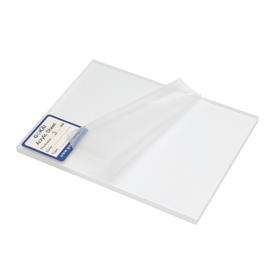
Plexiglass, also known as acrylic sheet, has become a core material for modern manufacturing thanks to its excellent optical clarity, impact resistance, and design flexibility. For OEMs and factories, it enables safer workspaces, cleaner production environments, and durable components that often outperform glass in both longevity and cost efficiency.

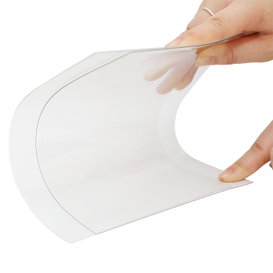
Plexiglass sheets can be utilized in a multitude of ways in the manufacturing industry, from protecting workers with shatter-resistant guards to forming critical components that improve productivity and workplace hygiene. Available in a range of thicknesses and formats — sheets, rods, and tubes — plexiglass is highly moldable and can be machined, bent, or bonded to fit a wide variety of industrial applications.
Plexiglass is significantly lighter than glass yet much more impact resistant, which makes it a safer choice around machinery and busy production lines. It offers high optical clarity, good weatherability, and stable performance in environments where glass might shatter, chip, or be too heavy to handle safely.
Key performance benefits for factories:
- High impact resistance to help reduce breakage around equipment and walkways
- Excellent optical clarity for visibility, supervision, and quality control
- Good chemical and corrosion resistance for many industrial environments
- Easy to cut, drill, route, polish, bend, and glue with standard fabrication tools
- Lower weight than glass, reducing installation and handling risk
- Cost-effective for large surfaces like guards, partitions, and windows
Machine guards are safety features designed to protect operators from moving parts, electrical sparks, and other operational hazards associated with industrial machinery. Plexiglass sheets are widely used for these guards because they provide durable, shatter-resistant protection while maintaining clear visibility of the process.
Typical machine guarding applications:
- Fixed guards around presses, cutters, rotary equipment, and CNC machines
- Sliding or hinged access panels with inspection windows
- Overhead splash and spark shields near grinding or welding stations
In applications requiring extreme impact or bullet-resistant performance, polycarbonate can provide even higher strength than plexiglass. However, plexiglass generally offers better scratch resistance, high optical clarity in cast grades, and more cost-effective performance for many standard machine guarding needs.
Selection checklist:
- For very high impact or bullet resistance, consider polycarbonate panels
- For everyday industrial guards with high clarity and good scratch resistance, plexiglass is often the better balance
- For tight budgets with frequent replacement, extruded acrylic can be used where the highest optical quality is not critical
Plexiglass barriers help provide healthy distance, physical separation, and protection from liquid splashes and sprays while keeping sight lines open across the facility. Many factories and warehouses have permanently integrated these barriers to reduce germ transmission and maintain productivity.
Where general barriers are used:
- Between workstations on assembly lines and packing tables
- At check-in desks, shipping counters, and control rooms
- Around quality inspection areas and shared testing benches
Because these plexiglass sheets are lightweight and easy to fabricate, they can be cut to size, routed, and installed with clamps or frames almost anywhere in the facility.
Plexiglass paint guards provide a clean, controlled surface that protects walls, equipment, and operators from overspray and chemical mist during painting and finishing processes. These guards can be used to line spray booths, protect conveyor openings, or create transparent partitions around coating stations to limit unwanted chemical interaction.
Benefits of plexiglass paint guards:
- Maintain visibility into spray areas for safety and process control
- Help confine overspray, making cleanup faster and more efficient
- Provide a barrier between operators and airborne chemicals or solvents
With proper cleaning protocols, plexiglass panels can be reused and repositioned, reducing long-term operating costs compared with disposable curtains or cardboard barriers.
Sneeze guards made from plexiglass are now standard in many office, commercial, and industrial environments to support hygiene and social distancing. In manufacturing plants, they can be installed in cafeterias, on production lines, and at customer-facing stations to create transparent transmission barriers without disrupting normal interactions.
Common industrial sneeze guard locations:
- Plant cafeterias, break areas, and serving counters
- Packaging and assembly lines where employees work in close proximity
- Reception desks, visitor registration points, and driver check-in counters
Plexiglass sneeze guards are smooth, impact-resistant, and easy to sanitize, making them a practical long-term solution for maintaining a healthier workplace.
Plexiglass sheets are increasingly used for commercial and industrial office windows because of their optical clarity, high impact resistance, and budget-friendly cost. In factories, plexiglass windows are particularly valuable in control rooms, supervisor offices, and viewing galleries that overlook high-activity production areas.
Advantages in manufacturing environments:
- Withstand debris, sparks, and routine contact better than many glass installations
- Reduce risk of dangerous shattering if struck by tools or materials
- Lower weight simplifies installation in large window banks or elevated structures
For large commercial and industrial buildings, contractors often choose plexiglass as the default material for interior partitions and observation windows due to the balance of safety, clarity, and cost.

As more manufacturers adopt CNC machining, laser cutting, and 3D printing, plexiglass has become a preferred material for equipment enclosures. It combines clarity and impact resistance with easy fabrication, making it ideal for protective housings.
Typical enclosure uses:
- Transparent doors and side panels for CNC routers and milling machines
- Safety windows around laser cutting and engraving systems to contain debris
- Viewing windows on 3D printer farms to monitor production while controlling dust and temperature
These enclosures help reduce noise, contain dust and chips, and improve operator safety while keeping the process clearly visible for monitoring and maintenance.
Visual management is critical in lean manufacturing environments, and plexiglass plays a key role in durable industrial signage. It is widely used in signage systems that need to remain legible and professional-looking in demanding conditions.
Examples of plexiglass signage in plants:
- Hanging safety signs and process boards in production areas
- Status displays and KPI boards protected by clear acrylic covers
- Wayfinding signage in warehouses, loading bays, and logistics corridors
Clear or colored plexiglass can be printed, engraved, or used as a protective top layer over graphics, providing long-lasting, scratch-resistant signage that withstands daily cleaning and handling.
Many industries, including electronics, pharmaceutical, and food manufacturing, rely on controlled environments where cleanliness is essential. Plexiglass is frequently chosen for cleanroom windows, pass-through doors, and modular wall panels because of its smooth surface, durability, and ease of cleaning.
Cleanroom-related applications:
- View windows in cleanroom walls and doors
- Transparent panels for pass-through cabinets and material transfer points
- Modular partitions for semi-clean zones around filling, packaging, or assembly lines
With the right cleaning protocols and compatible chemicals, plexiglass surfaces can be maintained to meet strict hygiene guidelines while allowing teams to visually monitor processes.
Plexiglass sheets are commonly available as cast or extruded acrylic, each suited to different manufacturing needs.
- Cast plexiglass: higher optical quality, better scratch and chemical resistance, ideal for high-end guards, windows, and display components
- Extruded plexiglass: more economical, easier to thermoform and cut, suitable for large barriers, partitions, and cost-sensitive installations
When applications demand the best clarity and durability — for example, control room windows or high-visibility guards — cast sheets are generally preferred.
Exact thickness depends on load, span, and mounting, but some practical guidelines used in manufacturing include:
- Light-duty barriers and signage: thinner sheets for short spans and low impact areas
- Machine guards and sneeze guards: medium thickness for balanced stiffness and impact performance
- Large windows or high-impact areas: thicker plexiglass, often with structural framing or support
Partnering with an experienced OEM supplier allows you to validate thickness and mounting details based on real-world conditions rather than assumptions.
Property / Requirement | Plexiglass (Acrylic) | Glass | Polycarbonate |
Weight | Much lighter than glass | Heavy | Light |
Impact resistance | Much more impact resistant than glass | Breaks or shatters under impact | Even stronger than plexiglass |
Optical clarity | Very high, especially cast sheets | High but may shatter | Slightly less clarity than cast acrylic |
Scratch resistance | Better than polycarbonate | Good but brittle | Lower than acrylic |
Forming and machining | Easy to cut, drill, route, and polish | Harder to machine safely | Easy to form and more flexible |
Cost for large panels | Often lower than glass or polycarbonate | Higher in many safety configurations | Often higher for comparable thickness |
Typical manufacturing uses | Guards, barriers, windows, signage | Limited use in high-risk zones | Extreme impact guards, bullet resistance |
This comparison shows why plexiglass is often the default choice in manufacturing for applications that require a balance of safety, clarity, and cost.
To get the best performance from plexiglass in manufacturing environments:
- Allow for thermal expansion with properly sized mounting holes and flexible gaskets
- Use compatible hardware and sealants specified for acrylic sheets
- Avoid excessive mechanical stress at corners and fastener points to reduce the risk of cracking
Working with a specialist OEM supplier ensures that your panels are cut, drilled, and edge-finished to the correct specifications before they arrive on site.
Proper cleaning extends the life and clarity of plexiglass in industrial settings.
- Use mild soap solutions or cleaners approved for acrylic surfaces
- Avoid abrasive pads, strong solvents, or high-ammonia products that can scratch or craze the surface
- Implement regular cleaning schedules for sneeze guards, barriers, and windows in high-traffic zones
Routine maintenance helps keep visibility high and ensures that guards and barriers continue to look professional over time.
For global manufacturers and OEM customers, partnering with a dedicated plexiglass sheet and fabrication supplier streamlines design, production, and ongoing maintenance.
Typical OEM services include:
- Custom sheet sizing, cutting, drilling, bending, and bonding to your drawings
- Material selection support, including cast vs extruded, thickness, color, and coatings
- Prototype runs followed by scalable mass production for multi-site rollouts
- Packaging and logistics solutions for safe global shipment of finished parts
For companies producing machinery, safety equipment, or modular systems, these OEM capabilities make plexiglass a strategic material choice rather than just a commodity sheet.
If your project requires clear visibility, enhanced safety, and cost-effective durability, plexiglass is often the most practical option for guards, barriers, windows, enclosures, and signage. By selecting the right grade and thickness, and by working with an experienced OEM supplier, you can integrate plexiglass into your production environment with confidence while meeting regulatory and safety expectations.
Ready to upgrade your machine guards, hygiene barriers, or control room windows with high-performance plexiglass solutions? Collaborate with a professional OEM plexiglass sheet manufacturer that can provide customized sizing, fabrication, and global delivery tailored to your production needs. Share your drawings, performance requirements, and target timelines today to receive a tailored plexiglass solution that improves safety, efficiency, and long-term operating costs across your manufacturing facilities.
Contact us to get more information!

Yes. Plexiglass is significantly more impact resistant than glass and does not shatter into sharp fragments in the same way, making it a safer material for guards and windows near heavy machinery. When properly designed and mounted, plexiglass guards help reduce the risk of injuries caused by flying debris or accidental contact with moving parts.
Plexiglass has good resistance to many chemicals, but performance depends on the specific solvent, concentration, and exposure time. It is essential to review chemical compatibility data or consult your supplier before using plexiglass in areas with aggressive cleaners, solvents, or fumes. In many cases, proper ventilation and controlled cleaning procedures further extend the service life of plexiglass panels.
To avoid scratching, clean plexiglass surfaces with a soft, non-abrasive cloth and mild detergents or cleaners formulated for acrylic. Avoid harsh solvents, abrasive pads, and dry wiping with dusty rags, which can create fine scratches and reduce clarity over time. Establishing clear cleaning guidelines for staff helps preserve the appearance and performance of plexiglass installations.
The lifespan of plexiglass in a factory depends on factors such as impact exposure, UV light, chemical contact, and maintenance practices. With correct thickness selection, proper installation, and appropriate cleaning, plexiglass guards and windows can provide many years of reliable service. High-impact zones or areas with aggressive chemicals may require more frequent inspection and occasional replacement to maintain safety and visibility.
Yes. Plexiglass sheets can be cut, routed, bent, formed, and bonded into complex shapes, making them ideal for custom machine guards, enclosures, and OEM components. Many suppliers offer CNC machining and finishing to match detailed CAD drawings, including cut-outs, mounting holes, and edge finishing. This customization capability allows plexiglass parts to integrate seamlessly with modern equipment and production systems.
1. https://www.acmeplastics.com/content/5-plexiglass-use-cases-in-manufacturing-2/
2. https://www.regal-plastics.com/blog/difference-between-plexiglass-and-acrylic/
3. https://uvacrylic.com/plexiglass/
4. https://www.printsafari.com/pages/printwiki/plexiglass-vs-acrylic-signs/
5. https://www.tapplastics.com/product/plastics/cut_to_size_plastic/acrylic_sheets_cast_clear/510
6. https://www.acmeplastics.com/content/tag/plexiglass/
7. https://www.acmeplastics.com/content/tag/acrylic/