Shanghai Gokai Industry Co,.Ltd.
Call Us: +86-18918606548
Call Us: +86-18918606548
- Product Name
- Product Keyword
- Product Model
- Product Summary
- Product Description
- Multi Field Search
Views: 222 Author: Loretta Publish Time: 2026-02-18 Origin: Site


Content Menu
● What Is Plexiglass and Why Manufacturers Prefer It
● Top 7 Plexiglass Use Cases in Manufacturing
● 1. Plexiglass Machine Guarding
>> Key benefits of plexiglass machine guards
>> When to choose plexiglass vs polycarbonate
● 2. Plexiglass General Barriers and Safety Screens
>> Roles of general plexiglass barriers in plants
● 3. Plexiglass Paint Guards and Process Shields
>> Advantages of plexiglass paint guards
● 4. Plexiglass Sneeze Guards and Hygiene Shields
>> Why plexiglass sneeze guards are widely used
● 5. Plexiglass Office and Control Room Windows
>> Benefits of plexiglass windows in industrial settings
● 6. Advanced OEM Applications: Plexiglass Components and Enclosures
>> Common OEM plexiglass integrations
● 7. Comparing Plexiglass, PVC Foam Board, and Acrylic Sheets for Manufacturing OEM Projects
● Best Practices for Selecting and Using Plexiglass in Manufacturing
>> 1. Choose the right thickness and format
>> 2. Plan for cleaning and maintenance
>> 3. Design for safety and ergonomics
● How OEM Plexiglass Solutions Support Manufacturing
>> Core OEM services to look for
● How to Evaluate Plexiglass Suppliers for Manufacturing Projects
● Take the Next Step: Implement Custom Plexiglass Solutions in Your Facility
● FAQs About Plexiglass in Manufacturing
>> FAQ 1: Is plexiglass strong enough for machine guarding?
>> FAQ 2: Can plexiglass barriers help with hygiene and social distancing?
>> FAQ 3: Where are plexiglass windows most useful in a factory?
>> FAQ 4: What formats of plexiglass are available for industrial use?
>> FAQ 5: How does plexiglass compare to glass in manufacturing environments?
Plexiglass (acrylic / PMMA) has become a critical material in modern manufacturing, from machine guarding and hygiene protection to office partitions and process optimization. Its unique combination of clarity, impact resistance, and design flexibility makes it an ideal alternative to glass and a strategic material choice for factories looking to improve safety, productivity, and cost control.

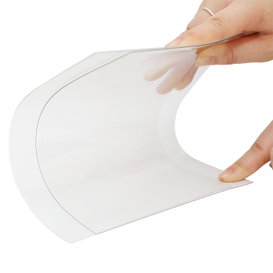
Plexiglass is a transparent thermoplastic often used as a lightweight, shatter-resistant alternative to glass in industrial and commercial environments. It is typically supplied in sheets, rods, and tubes and can be cut, drilled, bonded, or thermoformed to suit complex designs.
Key performance characteristics for manufacturing environments include:
- High optical clarity for visibility of machines, processes, and operators.
- Impact resistance and shatter resistance compared with standard glass, reducing injury risks.
- Lightweight structure, lowering transport and installation costs.
- Good weathering and corrosion resistance for indoor and semi-outdoor use.
- Ease of fabrication for custom OEM designs and factory-specific layouts.
Note on material selection: For extremely high-impact or bullet-resistant applications, polycarbonate can outperform plexiglass, but plexiglass remains dominant where clarity, cost-effectiveness, and formability are top priorities.
Below are the most important and widely adopted plexiglass applications in factories and industrial facilities, with practical insights for engineers, EHS managers, and OEM buyers.
Machine guards are engineered safety devices that isolate operators from moving parts, sparks, and flying debris generated by industrial equipment. Plexiglass sheets are widely used to build these guards because they combine visibility with robust protection, helping facilities meet safety standards while keeping production efficient.
- Worker protection: Shields operators from rotating parts, chips, and electrical sparks while maintaining line-of-sight to production.
- Compliance support: Helps facilities align with safety regulations and internal EHS standards that require effective guarding.
- Operational visibility: Clear guards allow supervisors and engineers to visually inspect processes without removing panels.
- Customization: Can be fabricated into sliding doors, fixed panels, access hatches, and hinged covers tailored to each machine.
- Choose plexiglass when optical clarity, scratch resistance, and cost-efficiency are priorities.
- Choose polycarbonate for extremely high-impact environments or where near bullet-resistant strength is required.
Implementation tip: Combine plexiglass guards with appropriate interlocks and signage so operators cannot access hazardous zones while machinery is energized.
General plexiglass barriers provide physical separation between workers, production areas, and visitors while maintaining a clear field of view. They have become standard fixtures in factories that prioritize hygiene, safety, and controlled circulation paths.
- Hygiene and health: Reduce the spread of droplets, splashes, and sprays in shared workstations and reception zones.
- Zone separation: Visually and physically separate clean zones, packing areas, and visitor routes without closing off spaces.
- Impact protection: Provide an extra layer of protection from occasional flying parts or loose objects in busy production spaces.
Design idea: Use modular plexiglass panel systems mounted on metal frames, allowing quick reconfiguration when production layouts change.
In painting, coating, or chemical spraying areas, plexiglass is often used to create paint guards that contain overspray and define safe working zones. These guards help maintain a cleaner environment while supporting regulatory compliance on exposure and contamination.
- Overspray control: Helps contain paint, solvents, and airborne particles within controlled zones.
- Cleaner environment: Reduces accumulation of unwanted chemicals and paint on equipment and walkways.
- Health protection: Limits workers' contact with toxins and irritants, supporting occupational health initiatives.
Practical recommendation: Combine plexiglass guards with proper ventilation, filtration, and PPE to build a complete protection system in painting and coating booths.
Sneeze guards made from plexiglass are now standard in offices, industrial facilities, warehouses, and manufacturing plants to support workplace hygiene. These shields create physical separation while allowing normal communication and visual contact.
- Transparent protection: Act as a transmission barrier for droplets without blocking visibility.
- Low maintenance: Smooth surfaces are easy to sanitize and disinfect as part of daily cleaning.
- Durability: Impact-resistant and suitable for continuous use in busy industrial environments.
- Flexible installation: Can be freestanding, counter-mounted, or suspended, depending on the application.
Where to deploy: Use plexiglass sneeze guards at reception desks, control rooms, shared terminals, canteens, and operator stations near high-traffic walkways.
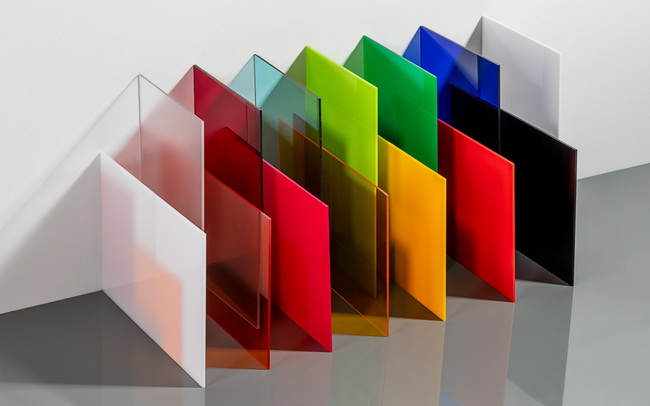
Plexiglass sheets are increasingly used for interior windows in manufacturing offices, control rooms, and internal partitions. They provide a robust, cost-effective alternative to glass while enabling teams to monitor production areas in real time.
- High impact resistance: Better able to withstand flying debris, sparks, and incidental contact from tools than many glass options.
- Cost and weight advantages: Lightweight panels reduce structural load and can lower installation and replacement costs.
- Design flexibility: Easy to cut and shape into custom window sizes, viewing panels, and sliding windows.
Application example: A control room overlooking multiple production lines uses large plexiglass windows so engineers can visually supervise equipment while remaining in a quieter, protected environment.
Beyond barriers and guards, many OEMs integrate plexiglass directly into their products as functional components. Its formability and appearance make it suitable for enclosures, covers, and display elements in industrial equipment.
- Equipment enclosures: Transparent covers for electrical cabinets, sensor housings, and robot cells.
- Indicator and display windows: Clear windows protecting HMIs, gauges, and control panels.
- Lighting and signage: Diffusers and illuminated panels integrated into machines and factory guidance systems.
Design tip: Work with a manufacturer that offers OEM cutting, CNC machining, and bending so plexiglass components arrive ready to assemble, reducing internal processing time.
Although plexiglass is a form of acrylic, factories often compare it with other plastics such as PVC foam board and general acrylic sheet when designing barriers, displays, or equipment housings. Understanding the strengths of each material helps you choose the best option for each application.
Material | Typical Uses in Manufacturing | Key Advantages | Considerations |
Plexiglass (Acrylic Sheet) | Machine guards, windows, sneeze guards, general barriers. | High clarity, good impact resistance, easy to fabricate, attractive appearance. | Less impact-resistant than polycarbonate; requires proper cleaning methods. |
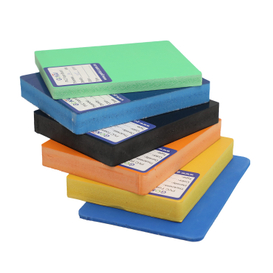
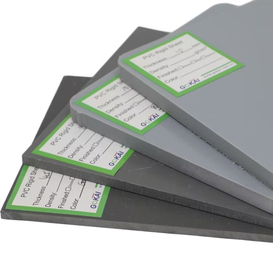
PVC Foam Board | Signage, panels, displays, lightweight partitions in industrial spaces. | Very light, easy to print or laminate, good dimensional stability. | Not transparent, typically used where visual access is not required. |
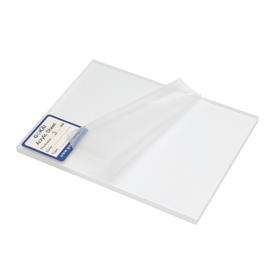
Standard Acrylic Sheet | Displays, product showcases, interior partitions. | Good clarity, versatile, supports polishing and decorative finishes. | Selection of grade and thickness is critical for safety-related uses. |
Strategic approach: Many manufacturers combine plexiglass with PVC foam board and other engineered plastics in one project to optimize cost, appearance, and performance across different parts of the same facility.
- Use thicker plexiglass sheets for high-impact or large-span guards and windows.
- Consider rods and tubes when designing custom fixtures, guides, or structural elements.
- Specify compatible cleaning agents to avoid surface haze or cracking.
- Establish a regular inspection schedule for guards and barriers in high-use areas.
- Integrate access points such as doors and hatches into plexiglass guards for safe maintenance.
- Ensure edges are properly finished to prevent cuts during installation or use.
For manufacturers, a reliable OEM partner can take plexiglass from raw sheet to fully finished components ready for assembly. This reduces internal processing and accelerates equipment upgrades and new product launches.
- Custom cutting and CNC machining: Precise panel shapes, cut-outs, and mounting details.
- Edge finishing and bending: Polished edges, formed guards, and bent covers for better fit and appearance.
- Drilling and assembly features: Pre-drilled holes, slots, and hardware integration.
- Multi-material integration: Combining plexiglass with PVC foam board or other plastics in one package.
OEM advantage: A professional OEM plexiglass supplier can standardize material quality across sites, ensuring consistent performance from one factory or region to another.
Choosing the right supplier is essential for long-term reliability and safety in manufacturing environments.
- Material expertise: Ability to recommend suitable thickness, grades, and formats for each use case.
- Production capability: Capacity for large-volume orders and stable lead times for global rollouts.
- OEM experience: Proven track record with custom guards, barriers, and windows for industrial clients.
- Quality control: Consistent tolerances, surface quality, and packaging to reduce damage in transit.
Bonus factor: Suppliers that also work with PVC foam board and acrylic sheets can offer complete solutions for factories standardizing on multiple plastics.
If you are planning new machine guards, hygiene barriers, windows, or OEM components, now is the time to transform your concepts into engineered plexiglass solutions. By partnering with a specialist in plexiglass, PVC foam board, and acrylic fabrication, you can align material selection, safety requirements, and project budgets across all your manufacturing sites. Define your key applications, collect dimensions and basic drawings, and share them with an OEM-focused plexiglass supplier to receive tailored recommendations and quotes. Reach out today to discuss your next project and start building safer, more efficient, and more visually optimized production environments with custom plexiglass systems.
Contact us to get more information!
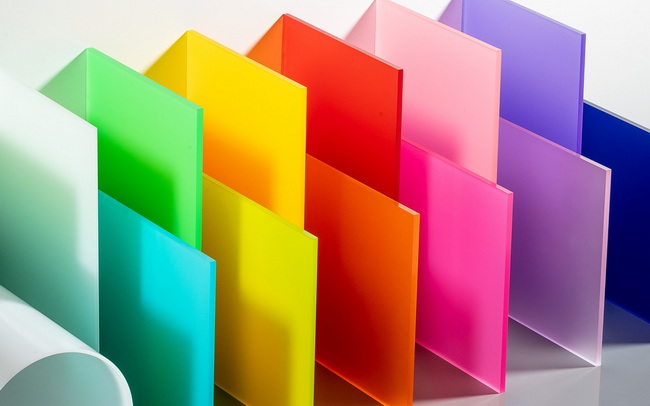
Yes. Plexiglass offers high impact resistance and shatter resistance compared with regular glass, making it suitable for many machine guard applications when correctly specified and installed. In extremely high-impact or bullet-resistant scenarios, polycarbonate may be preferred, but plexiglass remains a leading option for standard industrial guarding.
Yes. Plexiglass barriers and sneeze guards provide physical separation, reduce droplet transmission, and support hygiene measures while maintaining clear visibility and effective communication. They continue to play an important role in workplace health strategies.
Plexiglass windows are ideal for control rooms, offices overlooking production lines, and internal partitions that require clear visibility. They withstand impacts from stray debris and are lightweight, which simplifies installation in large facilities.
Plexiglass is commonly available as sheets in multiple thicknesses, as well as rods and tubes for specialized applications. These formats can be cut, machined, and formed into guards, barriers, enclosures, and custom components for OEM projects.
Compared to glass, plexiglass is lighter, more impact-resistant, and less likely to shatter into dangerous shards, which significantly improves safety. It also offers excellent optical clarity and is easier to fabricate into complex shapes, making it more flexible for industrial design.
https://www.acmeplastics.com/content/5-plexiglass-use-cases-in-manufacturing/