Shanghai Gokai Industry Co,.Ltd.
Call Us: +86-18918606548
Call Us: +86-18918606548
- Product Name
- Product Keyword
- Product Model
- Product Summary
- Product Description
- Multi Field Search
Views: 222 Author: Loretta Publish Time: 2026-02-20 Origin: Site


Content Menu
● Why Acrylic Sheets Are Ideal for Pergola Covers
● What Is an Acrylic Pergola Cover?
● 5 Core Reasons to Use Acrylic Sheets for Your Pergola Covers
>> 1. Exceptional Durability and Weather Resistance
>> 2. Long-Lasting Performance and UV Protection
>> 3. Ease of Installation and DIY-Friendliness
>> 4. Cost-Effectiveness Over the Life of Your Pergola
>> 5. Design Flexibility and Customization Options
● Acrylic vs Other Pergola Cover Materials
● Practical Design Tips for Acrylic Pergola Covers
● Basic Installation and Maintenance Checklist
● How OEM Acrylic Sheets Support Pergola Projects
● Ready to Upgrade Your Pergola Cover?
● FAQs About Acrylic Sheets for Pergola Covers
>> 1. Are acrylic pergola covers safe in strong storms or hail?
>> 2. Will acrylic sheets turn yellow over time in the sun?
>> 3. How much light do acrylic pergola covers let through?
>> 4. What thickness of acrylic sheet is best for a pergola roof?
>> 5. How do acrylic pergola covers compare with polycarbonate?
If you want a pergola cover that looks modern, filters light beautifully, and stands up to years of outdoor weather, acrylic sheets are one of the best materials you can choose. Unlike fabric or wood, they combine glass-like clarity with high impact resistance, UV protection, and low maintenance, making them perfect for residential and commercial outdoor spaces.
In this in-depth guide, you will learn how acrylic pergola covers compare with other materials, what technical advantages they offer, how to plan and install them, and how a professional OEM manufacturer like Shanghai Gokai Industry Co., Ltd. can help you customize solutions for your projects.

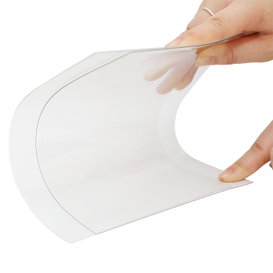
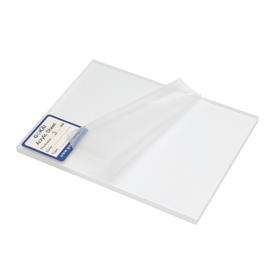
An acrylic pergola cover is a roof made from flat or profiled acrylic sheets (also called plexiglass) mounted on top of a pergola frame to provide shade, rain protection, and UV filtering while maintaining natural daylight. Acrylic is a transparent thermoplastic with high light transmission, similar to glass but significantly lighter and more impact-resistant, which makes it ideal for outdoor covers and patio roofs.
Acrylic pergola covers can be:
- Clear for maximum daylight and a clean, minimalist look.
- Tinted or frosted to soften glare and improve privacy while still letting in light.
- Textured to diffuse light and reduce harsh shadows, improving visual comfort under the pergola.
Compared with canvas, wood, glass, and corrugated plastics, acrylic pergola panels offer a strong balance of impact resistance, rigidity, and weather stability. Canvas can sag, trap water, and tear over time, while glass is heavy and prone to dangerous breakage; some low-grade plastics may yellow or become brittle with prolonged outdoor exposure.
Quality acrylic sheets provide robust impact performance yet maintain their mechanical properties across a wide temperature range. This means an acrylic pergola cover can withstand hail, wind-borne debris, and seasonal temperature swings far better than many traditional materials.
Best use case example: In coastal or windy regions where flying debris and sudden storms are common, an acrylic pergola roof greatly reduces the risk of shattered glass or torn fabric covers.
Acrylic sheets are engineered for long service life in outdoor environments, often delivering reliable performance for decades when properly specified and installed. Many outdoor-grade acrylic products incorporate UV-resistant formulations or receive special coatings that block a very high percentage of harmful UV radiation.
This UV stability provides three critical benefits:
- Long-term clarity: Less yellowing and haze compared with many standard plastics over time.
- Protection for people and furniture: Strong UV rejection helps reduce sunburn risk and fading of outdoor cushions, flooring, and décor under the pergola.
- Reduced maintenance cycles: Better resistance to weathering means you replace and refinish less frequently than with wood or many fabrics.
For homeowners and commercial facility managers, that translates into a pergola cover that looks attractive and performs reliably with minimal intervention over many years.
Because acrylic is significantly lighter than glass and easier to machine than metals, it is a very user-friendly material for pergola covers. Sheets can be cut with appropriate blades on a jigsaw or circular saw, drilled with standard bits designed for plastics, and attached with screws and suitable gaskets or profiles.
Typical installation steps include:
1. Measuring the pergola frame to determine sheet dimensions, overlaps, and structural support spacing.
2. Cutting acrylic sheets to size, leaving room for thermal expansion with small gaps at edges and between panels.
3. Pre-drilling holes with slightly oversized diameters to help prevent stress cracking when fasteners are installed.
4. Using appropriate fasteners and seals (such as screws with washers, aluminum profiles, or glazing bars) to secure the panels without over-tightening.
5. Adding end caps or profiles to keep out dirt, insects, and moisture at open edges.
Many DIY-oriented homeowners can handle a straightforward acrylic pergola roof installation themselves, while larger commercial structures may benefit from professional installation to ensure code compliance and maximum durability.
At first glance, acrylic sheets may cost more than basic canvas fabrics or low-grade plastics, but they often cost less than glass and some metal roofing systems while providing strong long-term performance. When you factor in service life, lower maintenance, and reduced replacement frequency, the overall lifecycle cost of an acrylic pergola cover is very competitive.
Cost-related advantages include:
- Lower structural demands due to lighter weight compared with glass or many metal panels.
- Fewer replacements because high-quality acrylic is resistant to rust, rot, and many forms of UV degradation.
- Minimal maintenance, as simple cleaning with mild soap and water is usually enough to keep panels looking clear.
For property owners focused on long-term return on investment, acrylic pergola covers offer an attractive balance of upfront price and long-term savings.
Acrylic sheets are available in a wide variety of thicknesses, colors, surface textures, and finishes, giving designers and homeowners significant flexibility. They can be thermoformed or gently curved, allowing modern architectural styles, curved roofs, and creative light patterns over outdoor seating areas.
Customizable aspects include:
- Color: Clear, bronze, grey, opal/white, and custom tints to control brightness and heat gain.
- Finish: Glossy, matte, frosted, or patterned to fine-tune glare and privacy.
- Thickness: Optimized for span, wind loads, and local building requirements.
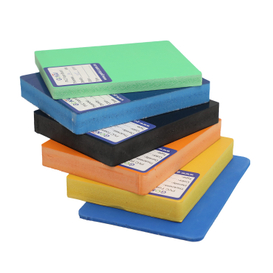
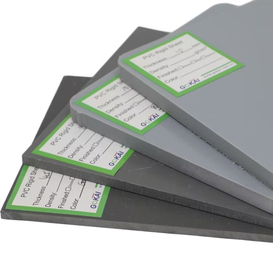
A professional OEM producer of acrylic sheets and PVC foam boards can provide tailored sheet sizes, color-matched batches, and specific performance grades for different markets and climates.
Material | Durability & Impact Resistance | UV & Weather Resistance | Light & Aesthetics | Maintenance Needs | Typical Service Life* |
Acrylic sheets | High impact resistance, less brittle than glass. | Inherently UV-resistant; outdoor grades resist yellowing. | Very clear, glass-like look with high light transmission. | Low; periodic cleaning only. | Often up to several decades with quality grades. |
Polycarbonate sheets | Extremely high impact resistance. | Strong but may yellow or haze faster in some grades. | Good transparency but often less “crystal clear.” | Low to medium maintenance. | Typically 10–20+ years. |
Glass | Very rigid, but brittle and breakable. | Excellent UV stability; heavy weight. | Superior clarity but safety concerns when broken. | Medium; needs strong framing and regular cleaning. | Long if not broken; high replacement cost. |
Canvas/fabric | Low structural strength; can tear or sag. | Limited; may fade, mold, or degrade in sun and moisture. | Soft, shaded look but less transparent. | High; frequent cleaning and replacement. | Often only a few years before wear shows. |
Wood slats/lattice | Moderate; vulnerable to rot and insects. | Requires paints or sealants to resist weather. | Natural aesthetic, partial shade. | High; regular sealing or painting. | Variable; often 10–15 years with good care. |
Typical service life ranges are indicative and depend on climate, installation quality, and product grade.
To get the best performance and user experience from acrylic pergola covers, consider these practical design tips early in your project.
- Span and support spacing: Choose thickness and support spacing based on wind and snow loads; consult local building codes or an engineer for large structures.
- Slope and drainage: Add a slight roof pitch so rainwater drains instead of pooling on the surface.
- Thermal expansion gaps: Leave small gaps between sheets and at edges, because acrylic expands and contracts with temperature changes.
- Glare management: Use tinted or frosted sheets over south- or west-facing areas to reduce glare and heat build-up.
- Noise considerations: Acrylic roofs can amplify rain sound slightly; some users appreciate the ambient sound, while others may opt for diffusing textures or under-roof acoustic treatments.
Illustrative example: For a backyard dining pergola in a hot climate, a light bronze-tinted acrylic sheet with a gentle slope and adequate overhang can maintain shade, limit glare, and keep the seating area comfortable through summer afternoons.
Use this outline when planning a new acrylic pergola cover:
1. Confirm local code requirements and snow or wind loads for your region.
2. Choose acrylic sheet type (clear or tinted, thickness, UV grade) according to span and climate.
3. Measure the pergola frame precisely and plan panel joints and overhangs.
4. Cut sheets to size and pre-drill mounting holes with slightly oversized diameters.
5. Install compatible fasteners and sealing components to help prevent leaks and stress cracks.
6. Inspect the installation for movement allowance and proper drainage after the first heavy rain.
Ongoing care is simple but important for preserving clarity and performance:
- Clean panels periodically with mild soap, water, and a soft cloth or sponge.
- Rinse off dust and pollen to avoid micro-scratches when wiping.
- Inspect fasteners annually, tightening or replacing corroded parts as needed.
- Remove leaves and debris from roof surfaces and gutters to prevent water pooling.
With these steps, acrylic pergola sheets can retain their optical quality and structural performance for many years.
Specialized manufacturers of PVC foam boards and acrylic sheets offering OEM services can support global pergola, patio cover, and outdoor construction brands. With controlled production and quality management, OEM partners can specify thickness, color, surface finish, and packaging tailored to regional standards and branding requirements.
For pergola cover applications, an experienced manufacturer can:
- Recommend suitable grades for outdoor UV exposure and climate conditions.
- Supply cut-to-size acrylic sheets to reduce waste and installation time on site.
- Coordinate consistent color batches for multi-project rollouts.
- Provide technical support on installation best practices and compatibility with framing systems.
If you design, distribute, or install pergola and patio cover systems, partnering with an OEM supplier of acrylic sheets can streamline your product line and improve end-user satisfaction.
If you are planning a new pergola or upgrading an existing structure, acrylic sheets offer an ideal balance of clarity, durability, UV protection, and design flexibility for long-lasting covers. To turn these advantages into real projects, contact a professional OEM manufacturer such as Shanghai Gokai Industry Co., Ltd. to discuss custom acrylic pergola panels, technical specifications, and order quantities that match your market.
Whether you are a homeowner, contractor, or brand owner, take action now by requesting a tailored quote or project consultation so your pergola solution is ready before the next outdoor season begins.
Contact us to get more information!
High-quality acrylic sheets have significantly higher impact resistance than glass and are less likely to shatter or break under hail and wind-borne debris, although extremely severe storms can still cause damage. Choosing the right thickness and proper support spacing further improves performance in harsh weather.
Outdoor-grade, UV-stabilized acrylic is designed to resist yellowing and maintain clarity for many years, especially when using formulations with integrated UV protection or coatings. Cheaper, non-UV-stabilized plastics are more prone to discoloration, so product selection is important.
Clear acrylic sheets can transmit very high levels of visible light, similar to standard glass. Tinted or frosted acrylic will transmit less light but can create more comfortable shade and reduce glare in bright climates.
The ideal thickness depends on the span between supports, local wind and snow loads, and any building code requirements. For larger spans or harsher climates, a thicker sheet or closer support spacing is generally recommended.
Polycarbonate offers extremely high impact strength but can scratch more easily and may lose clarity faster than acrylic in some formulations. Acrylic provides superior optical clarity, strong UV resistance, and a more glass-like appearance, making it a popular choice when aesthetics and long-term transparency matter.
1. https://www.acmeplastics.com/content/5-reasons-to-use-acrylic-sheets-for-your-pergola-covers/
2. https://www.acmeplastics.com/acrylic-vs-polycarbonate
3. https://www.acrylite.co/applications/patio-and-deck-covers
4. https://www.regal-plastics.com/blog/why-build-pergola-with-plastic-cover/
5. https://mygreenhousestore.com/blogs/news/what-are-some-of-the-properties-and-differences-between-acrylic-and-polycarbonate-as-a-
6. https://www.patiocoversandmore.com/blog/acrylic-patio-covers-vs-other-materials-which-is-right-for-you
7. https://royalcovers.com/acrylic-vs-polycarbonate-patio-covers/
8. https://starconstructionwa.com/5-reasons-acrylic-patio-covers-beat-polycarbonate/
9. https://theluxurypergola.com/blogs/louvered-roof-info/pergola-cover-pergola-cover-ideas-for-your-backyard
10. http://www.gokai.com.cn/ro/amp/11-creative-ways-to-use-acrylic-sheets-at-home.html