Shanghai Gokai Industry Co,.Ltd.
Call Us: +86-18918606548
Call Us: +86-18918606548
- Product Name
- Product Keyword
- Product Model
- Product Summary
- Product Description
- Multi Field Search
Views: 222 Author: Gokai Publish Time: 2026-06-17 Origin: Site


Content Menu
● What This Article Will Cover
● Understanding Your Options: Glass, Acrylic, and Polycarbonate
>> What is plexiglass (acrylic) in commercial windows?
● Plexiglass Advantages for Commercial Windows
>> 1. Lightweight and easier installation
>> 2. Superior impact resistance and safety
>> 3. Design versatility and color options
>> 4. Resistance to severe weather
● Plexiglass Drawbacks and How to Manage Them
>> 1. Cleaning and chemical sensitivity
>> 2. Scratch resistance and surface protection
● Glass Drawbacks in Modern Commercial Use
● Acrylic vs. Polycarbonate: When Safety and Performance Matter Most
● Latest Market Insight: Why Plastics Are Gaining in Commercial Glazing
● Practical Selection Guide: How to Choose the Right Material
>> Step 1: Define the risk environment
>> Step 2: Balance aesthetics and maintenance
>> Step 3: Consider installation and lifecycle cost
● OEM Opportunities with Acrylic and Polycarbonate Sheets
● Cleaning and Maintenance Checklist for Acrylic Commercial Windows
● When Plexiglass Wins Over Glass
● Call to Action: Plan Your Next Commercial Window Project with OEM‑Ready Acrylic and Polycarbonate
● Frequently Asked Questions (FAQ)
As a team that has spent years supplying acrylic sheet and polycarbonate solid sheet to global commercial projects, we see the same question again and again: "Should I choose glass or plexiglass for my commercial windows?" This guide combines hands‑on manufacturing experience with current market data to help building owners, contractors, and OEM partners make a confident, future‑proof choice. [marketsandmarkets]

In this guide, we will walk through: [hibu]
- Core differences between glass, acrylic (plexiglass), and polycarbonate
- Impact resistance, safety, clarity, and weight comparisons
- Real‑world commercial use cases and design considerations
- Maintenance, cleaning, and long‑term cost of ownership
- How to choose the right material for your specific project
Throughout the article, we'll highlight where Gokai's OEM acrylic and polycarbonate sheets can replace traditional glass in commercial window systems and façades. [gokai123.en.made-in-china]
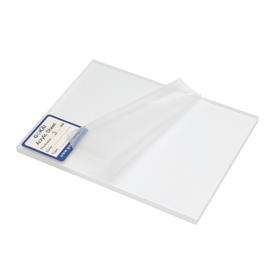
In most commercial articles, "plexiglass" is used as a common name for acrylic plastic sheet, a lightweight, transparent material originally developed as a glass replacement. Acrylic can be extruded or cast into different thicknesses, colors, and surface finishes, then cut or thermoformed into complex shapes that would be difficult or expensive with glass. [want]
Manufacturers like Gokai supply cast and extruded acrylic sheets with optical clarity up to around 92–93% light transmission, comparable to or even slightly higher than standard glass. These sheets can be color‑tuned, UV‑stabilized, and thickness‑optimized for window, skylight, and interior partition applications. [acmeplastics]
Traditional glass remains a familiar, trusted material in architecture with excellent surface hardness and scratch resistance. For high‑temperature environments and certain fire‑rating requirements, glass or specially engineered glazing products can still be the preferred solution. However, in many commercial settings, acrylic or polycarbonate now deliver a better balance of safety, weight, and impact performance. [kennyglass]
The original Acme Plastics article correctly points out that plexiglass is easier to work with than heavy glass and is significantly more impact resistant. From a fabricator's and installer's perspective, this translates into very practical on‑site benefits. [hibu]
Acrylic sheet is much lighter than glass of the same thickness, which makes handling safer and reduces labor fatigue on job sites. For large commercial windows or high‑level installations, this is a critical advantage when you factor in lifting equipment, installation time, and worker safety. [acmeplastics]
Because of the lower weight and higher flexibility, acrylic panels can also be integrated into curtain wall systems or custom framing with fewer concerns about breakage during transport and installation. For OEM customers, this can lower packaging requirements and reduce logistics costs across global shipments. [marketsandmarkets]
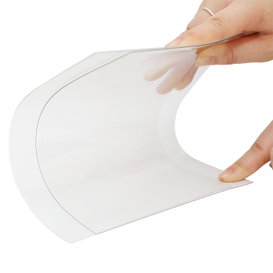
One of the biggest advantages of plexiglass in commercial windows is its high impact resistance compared to standard glass. While regular glass can shatter into sharp shards under impact, acrylic tends to flex and, if it does fail, breaks into dull‑edged pieces that are far less likely to cause severe injury. [donchampxcl]
In high‑traffic areas—such as retail storefronts, schools, hospitals, or transportation hubs—this safety profile is a major reason architects and facility managers specify acrylic or polycarbonate over traditional glass. Building owners also appreciate reduced downtime and replacement costs after accidental impacts or vandalism. [donchampxcl]
Plexiglass can be produced in clear, opal, frosted, tinted, or fully colored variants, giving architects more freedom to design branded façades and interiors. In practice, this means: [gokai123.en.made-in-china]
- Matching brand colors in entrance canopies and partitions
- Creating privacy glazing in clinics and offices without films
- Using diffusing grades for backlit signage and wayfinding systems
Because acrylic can be bent, thermoformed, and CNC‑machined, OEM partners can also integrate complex shapes directly into product designs—for example, curved display windows, machine guards, or transportation glazing. [gokai123.en.made-in-china]
The original article notes that plexiglass can withstand severe storm conditions more easily than glass, making it attractive in hurricane‑prone or high‑wind regions. In many commercial projects, designers pair acrylic or polycarbonate panels with reinforced framing to manage wind loads while benefiting from high impact resistance. [marketsandmarkets]
With proper UV‑stabilized grades, acrylic and polycarbonate maintain their clarity and mechanical performance for years in outdoor exposure, a key requirement for façades, skylights, and canopy glazing. [acmeplastics]
No material is perfect for every situation. The Acme article correctly highlights that plexiglass does not react well to abrasive cleaners or aggressive chemicals. From a maintenance and facility‑management perspective, this needs to be addressed proactively. [hibu]
Standard glass can tolerate many commercial glass cleaners; acrylic cannot. Using harsh solvents or ammonia‑based cleaners can cause crazing, clouding, or surface damage on acrylic windows. [want]
To protect your investment:
1. Use only cleaners formulated for acrylic or a mild, diluted soap solution. [want]
2. Apply with a soft, non‑abrasive cloth—never with scouring pads or paper towels that can scratch. [want]
3. Implement a written cleaning protocol for facility staff and contractors so incorrect products are not used by mistake. [hibu]
With proper care, high‑quality acrylic maintains its optical clarity for many years, even in demanding commercial environments. [donchampxcl]
Acrylic is softer than glass and can scratch more easily under abrasive contact. For low‑risk environments like high‑level exterior glazing or protected interior partitions, this is rarely an issue. For more exposed locations—street‑level windows, public counters, or school corridors—there are practical mitigation options: [donchampxcl]
- Choosing hard‑coated acrylic or polycarbonate grades for improved surface durability
- Applying removable protective films in ultra‑high‑traffic zones
- Designing framing details that recess glazing slightly to reduce direct contact
From an OEM standpoint, pairing the right surface treatment with the correct sheet material often solves perceived durability concerns about plastic glazing. [marketsandmarkets]
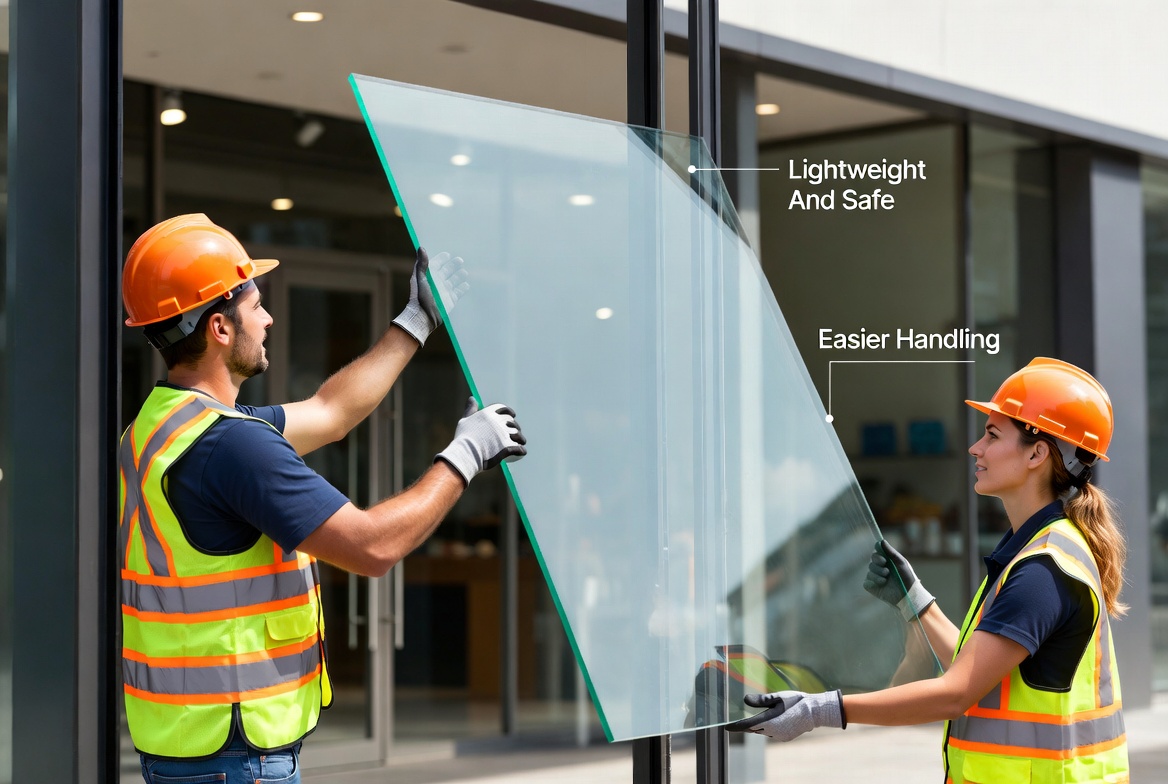
The Acme article lists fragility and weight as key disadvantages of glass; these remain highly relevant in today's market. For many commercial building owners, these drawbacks translate directly into cost, risk, and operational complexity. [hibu]
- Fragility and safety – When glass breaks, it shatters into sharp fragments that can create serious safety hazards and require immediate, disruptive cleanup. [donchampxcl]
- High weight – Glass is much denser than acrylic, increasing transportation costs, installation time, and structural demands on frames and supporting structures. [acmeplastics]
- Impact and storm vulnerability – In regions with heavy storms, traditional glass often requires additional protective systems such as shutters or secondary glazing, whereas impact‑resistant plastics can simplify the design. [marketsandmarkets]
This does not mean glass is obsolete, but it underscores why acrylic and polycarbonate have become default choices in many high‑risk or high‑traffic applications. [acmeplastics]
The original article compares plexiglass (acrylic) only to glass and does not address polycarbonate, which is a critical omission for modern commercial projects. Polycarbonate solid sheet offers even higher impact resistance than acrylic and is widely used where safety is non‑negotiable. [marketsandmarkets]
| Property | Glass | Acrylic (Plexiglass) | Polycarbonate Solid Sheet |
|---|---|---|---|
| Relative impact resistance | Low (hibu) | High (hibu) | Very high (marketsandmarkets) |
| Weight vs. glass | 100% baseline (hibu) | Much lighter (hibu) | Much lighter (marketsandmarkets) |
| Shatter behavior | Sharp shards (hibu) | Dull‑edged pieces (hibu) | Typically does not shatter (marketsandmarkets) |
| Formability | Limited (hibu) | Good (gokai123.en.made-in-china) | Very good for complex shapes (marketsandmarkets) |
| Scratch resistance | High (hibu) | Moderate (hibu) | Moderate, can be coated (marketsandmarkets) |
| Typical applications | Conventional façades (hibu) | Windows, skylights, partitions (acmeplastics) | Security glazing, safety barriers (marketsandmarkets) |
For OEM and project customers who need maximum impact resistance—such as transport hubs, sports facilities, or security‑sensitive sites—polycarbonate solid sheet often becomes the preferred choice. When balanced optical clarity and aesthetics are the priority, acrylic remains a very strong candidate. [gokai123.en.made-in-china]
The global market for acrylic and polycarbonate sheets is projected to reach well over 14 billion USD by 2029, with a compound annual growth rate above 6%. This growth is driven by increased demand for lightweight, impact‑resistant glazing in architecture, transportation, and industrial equipment. [marketsandmarkets]
For commercial window applications, this trend reflects several practical realities:
- Stricter safety expectations in public spaces
- Extreme weather events requiring stronger, more resilient façades
- Global supply chains where lighter materials reduce logistics costs
As a supplier focused on acrylic and polycarbonate sheet, we see more architects and buyers actively seeking plastic alternatives to glass not just for safety, but also for design flexibility and total cost of ownership. [gokai123.en.made-in-china]
To move beyond theory, it helps to map material choices to real‑world commercial scenarios. [donchampxcl]
Ask where the window will be installed and what it must withstand:
- High‑traffic public areas → Prioritize impact resistance and safety
- Storm‑exposed façades → Prioritize strength, deflection, and breakage behavior
- Interior partitions and branding elements → Prioritize aesthetics and design options
Acrylic is often ideal for interior and moderate‑risk exterior uses, while polycarbonate is favored for the most demanding environments. [donchampxcl]
If ultra‑clear, glass‑like appearance with color options is important, high‑quality acrylic grades perform very well. For locations where surface scratching is a concern, consider hard‑coated acrylic or polycarbonate, along with clear cleaning instructions and appropriate framing that minimizes accidental contact. [gokai123.en.made-in-china]
While glass may sometimes have a lower initial material cost, its weight and fragility can increase installation time, structural requirements, and replacement frequency. Acrylic and polycarbonate often provide a lower total cost of ownership once handling, logistics, and long‑term durability are factored in. [acmeplastics]
For OEM customers, these advantages scale quickly across product lines and global shipments, making plastic glazing a strategic choice rather than just a material substitution. [marketsandmarkets]
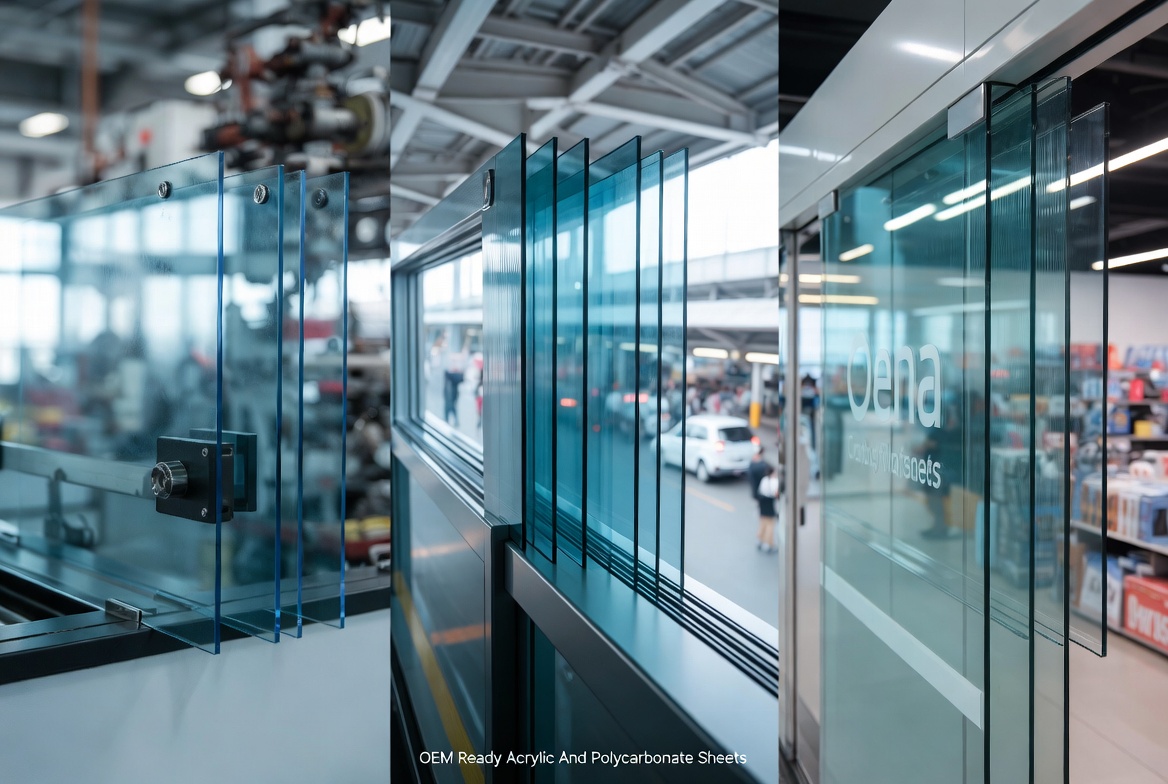
Beyond stand‑alone commercial windows, many of Gokai's clients integrate acrylic and polycarbonate sheets directly into products and systems. Typical OEM applications include: [gokai123.en.made-in-china]
- Machine and equipment windows in manufacturing lines
- Transportation glazing for vehicles, cabins, and station infrastructure
- Integrated display windows in vending, kiosk, and retail equipment
- Protective screens, guards, and safety barriers in public spaces
Because sheets can be cut to size, CNC‑machined, thermoformed, polished, and printed, OEM partners can design unique window and glazing components that differentiate their products in international markets. [acmeplastics]
To help facility managers and building owners get the most from their acrylic windows, here is a quick, field‑tested maintenance checklist based on best practices highlighted in industry guidance: [want]
1. Inspect glazing and framing periodically for cracks, excessive flex, or sealant failure.
2. Clean surfaces with mild soap solution or dedicated acrylic cleaners only.
3. Use soft microfiber cloths; avoid paper towels and abrasive pads.
4. Remove dust and grit with gentle rinsing before wiping to reduce scratching.
5. Train cleaning staff and contractors on approved products and methods.
Following these simple steps dramatically extends the service life and appearance of acrylic windows and can prevent most avoidable surface damage. [want]
Bringing together the key points from both the original Acme Plastics discussion and current market realities, plexiglass (acrylic) is usually the better choice for commercial windows when: [hibu]
- Safety and impact resistance are top priorities
- Large panels or elevated installations make weight a concern
- Branding, color, or non‑standard shapes are required
- You want to reduce risk and cost associated with glass breakage
For the highest‑risk applications, polycarbonate solid sheet adds another level of impact performance and security while still delivering weight and safety advantages over glass. [donchampxcl]
If you are planning a new commercial building, retrofitting an existing façade, or designing OEM equipment that includes transparent panels, now is the time to evaluate whether glass, acrylic, or polycarbonate offers the best balance of safety, performance, and cost. By working directly with a specialized sheet supplier and OEM partner, you can specify the correct grade, thickness, color, and finish from the start—and avoid costly redesigns later. [hibu]
Whether you need clear acrylic windows, impact‑resistant polycarbonate glazing, or custom‑cut OEM components, our team can help you select materials, optimize specifications, and support global delivery for your project. [gokai123.en.made-in-china]
1. Is plexiglass as clear as glass for commercial windows?
High‑quality acrylic (plexiglass) offers optical clarity comparable to standard glass, with light transmission typically around 92–93%, making it suitable for commercial windows, skylights, and storefronts. [acmeplastics]
2. Will acrylic commercial windows turn yellow over time?
Modern acrylic and polycarbonate sheets designed for outdoor use include UV‑stabilizing additives; when correctly specified and maintained, they resist yellowing and maintain clarity for many years. [marketsandmarkets]
3. Are acrylic windows safe for high‑traffic public buildings?
Yes. Acrylic and polycarbonate offer significantly higher impact resistance than standard glass, and when they fail, they avoid the sharp, dangerous shards associated with broken glass, improving safety in public spaces. [hibu]
4. How should facility staff clean acrylic or plexiglass windows?
Use mild soap or specialty acrylic cleaners applied with a soft, non‑abrasive cloth, and avoid strong solvents, ammonia‑based cleaners, and abrasive pads to prevent surface damage or clouding. [want]
5. When should I choose polycarbonate instead of acrylic?
Choose polycarbonate solid sheet when maximum impact resistance and security are required—such as in sports arenas, transportation hubs, or security glazing—while using acrylic where aesthetics, color options, and cost balance are the main drivers. [donchampxcl]
1. Acme Plastics. “Plexiglass Windows or Glass Windows for Commercial Use?” https://www.acmeplastics.com/content/commercial-windows-glass-or-plexiglass/
2. Acme Plastics. “Commercial Uses for Plexiglass Sheets.” https://www.acmeplastics.com/content/acrylic-plastic-commercial-uses/
3. Gokai (Made‑in‑China). Acrylic Sheet Product Catalog. https://gokai123.en.made-in-china.com/product-group/VqDGMyublPhd/Acrylic-Sheet-catalog-1.html
4. MarketsandMarkets. “Acrylic and Polycarbonate Sheets Market – Global Forecast.” https://www.marketsandmarkets.com/ResearchInsight/acrylic-polycarbonate-sheets-companies.asp
5. Kenny Glass. “3 Steps to Eco‑Friendly Commercial Window Design.” https://www.kennyglass.com/3-steps-to-eco-friendly-commercial-window-design2b6d98cf
6. Donchamp. “Acrylic Sheet vs Glass: Material Properties and Application Scenarios.” https://www.donchampxcl.com/news/38_170
7. Want.net. “Plexiglass vs Acrylic: A Complete Guide to Properties, Applications and Fabrication.” https://www.want.net/zh-CN/plexiglass-vs-acrylic-a-complete-guide-to-properties-applications-and-fabrication-for-your-project-needs/