Shanghai Gokai Industry Co,.Ltd.
Call Us: +86-18918606548
Call Us: +86-18918606548
- Product Name
- Product Keyword
- Product Model
- Product Summary
- Product Description
- Multi Field Search
Views: 222 Author: Gokai Publish Time: 2026-06-19 Origin: Site


Content Menu
● What Is UV Light and Why It Matters for Your Collection
● How UV Light Damages Documents and Artwork
>> Chemical and physical damage at the material level
>> Impact on value, aesthetics, and legibility
● Why Acrylic Sheet Is a Smart UV Protection Choice
>> Glass vs standard acrylic vs UV‑filtering acrylic
>> UV‑optimized acrylic: how it works
● Practical Strategies to Protect Documents and Artwork from UV
>> 1. Control exposure at the source
>> 2. Use UV filtering films and coatings
>> 3. Upgrade framing with UV‑filtering acrylic sheets
● OEM Perspective: How Gokai UV Acrylic Supports Global Projects
>> Custom sizing and fabrication for B2B buyers
>> Global supply chain and consistency
● Choosing the Right Acrylic Sheet for Your Application
● Step‑by‑Step: How to Frame a Document or Artwork with UV Acrylic
● Expert Tips from the Field: Balancing Protection, Display Quality, and Cost
● Call to Action: Plan Your UV‑Safe Acrylic Strategy
● Frequently Asked Questions (FAQ)
As someone who works daily with museums, galleries, and industrial buyers, I've seen how UV light quietly destroys documents and artwork—and how the right UV-filtering acrylic sheets can almost completely change that story for both professionals and home collectors. This guide combines my on-the-ground experience with current preservation best practices to help you choose and use acrylic sheets (including OEM solutions like Gokai's) to keep your pieces safe for the long term. [moviiu]

Ultraviolet (UV) light is a form of electromagnetic radiation with a shorter wavelength than visible light, sitting between visible light and X‑rays on the spectrum. Because of that short wavelength, UV photons carry more energy and can trigger chemical reactions in inks, dyes, paper fibers, and paints, slowly breaking them down. [archives]
Most indoor collections are exposed to UV from two main sources: sunlight entering through windows and artificial lighting such as fluorescent, halogen, and some LED systems. Even when a room feels "dim" to the human eye, the UV component can still be strong enough to damage paper, photographs, and pigments over time. [ugallery]
From a preservation standpoint, UV damage is both cumulative and irreversible: once a document or artwork is bleached, yellowed, or embrittled, there is no way to reverse that loss. The most common forms of deterioration include: [archives]
- Color fading and distortion
UV light breaks the chemical bonds in color molecules used in inks, dyes, and photographic emulsions, causing images to fade or shift in tone over time. [ugallery]
- Weakening of paper and organic materials
Prolonged UV exposure causes paper fibers and other organic substrates to weaken, bleach, or turn yellow, making the support more fragile and prone to tearing. [archives]
- Photo‑oxidation and embrittlement
UV accelerates oxidation processes in paper and photographic materials, leading to brittleness and surface cracking, especially in older or acidic papers. [archives]
- Acceleration of foxing and spotting
Foxing—those reddish or brown spots you see in aged paper—is often related to iron contaminants and moisture; UV exposure can speed up that process and make spotting more prominent.
UV damage doesn't just affect looks; it directly impacts financial value and access to information: [archives]
- Reduced market and historical value for rare prints, limited editions, or signed documents when fading or yellowing becomes visible.
- Loss of artistic intent, as original color balance, depth, and contrast are permanently altered. [ugallery]
- Diminished readability, especially for handwritten archives, certificates, or family records where discoloration can obscure fine details. [archives]
For collectors, conservators, and OEM buyers specifying protective glazing for large displays, this is why UV management is non‑negotiable.
Different glazing materials offer different levels of UV protection and usability. [artworkarchive]
| Glazing type | Typical UV blocking level | Weight & handling | Breakage risk | Typical use case |
|---|---|---|---|---|
| Standard glass | Often < 50% UV filtering | Heavy, harder to machine | Can shatter into sharp shards | Basic framing where UV risk is low |
| Standard clear acrylic | Moderate UV resistance | Light, easy to cut and drill | Impact‑resistant | General display, non‑critical pieces |
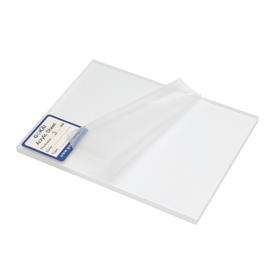
| UV‑filtering acrylic | Up to ~98% UV blocking | Light, machinable, good optical clarity | Excellent impact resistance | Museums, galleries, collectors, OEM kiosks |
Standard clear acrylic is lighter and safer than glass, but it is not naturally highly UV‑resistant unless produced with UV‑absorbing additives or coated afterward. To meet museum and gallery requirements, manufacturers add UV stabilizers in the acrylic resin or apply specialized UV‑blocking coatings to achieve high UV filtering performance. [pmma]
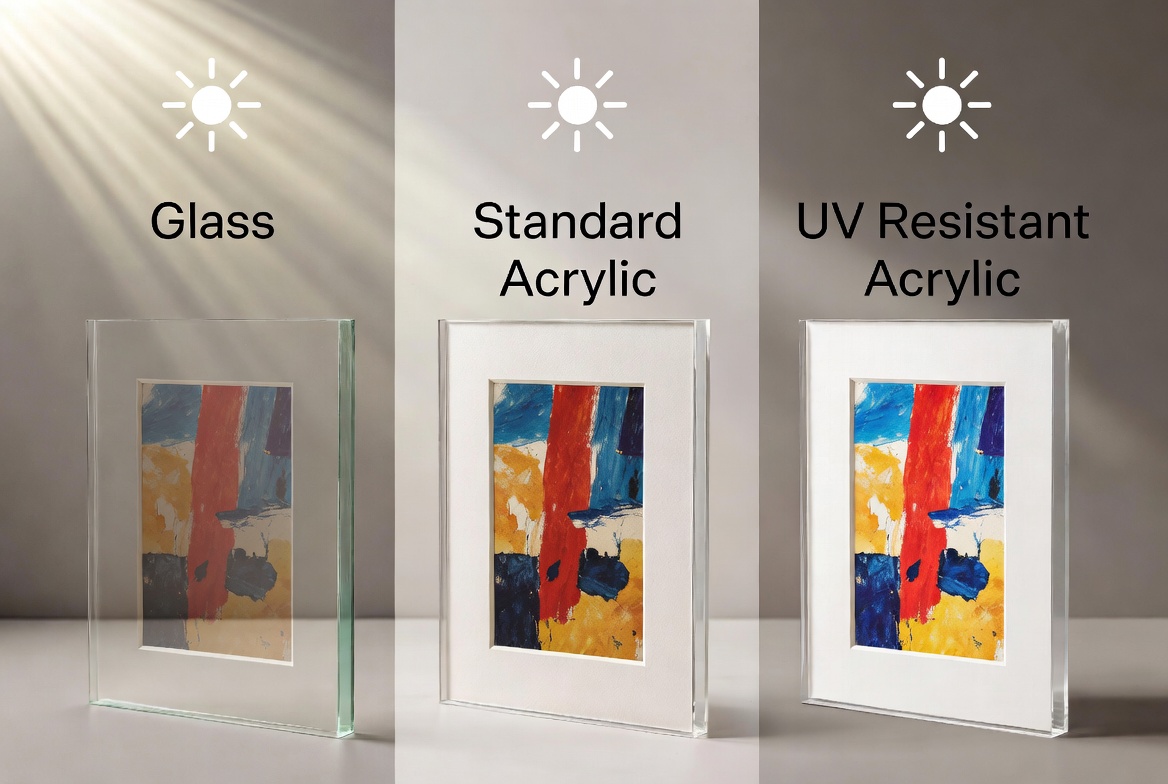
High‑grade UV acrylic sheets typically rely on three factors: [pmma]
- UV stabilizers in the resin that absorb and scatter UV radiation.
- Surface coatings that enhance UV filtering and can also reduce glare.
- Advanced extrusion or casting processes to ensure uniform distribution of UV‑protective components throughout the sheet. [pmma]
Some frame‑grade acrylics are engineered to block around 98% of harmful UV radiation, making them comparable to or better than many specialized glazing products for conservation display. [artworkarchive]
From both an institutional and home‑use perspective, the most effective approach combines environmental control with protective glazing. [moviiu]
- Position sensitive items away from direct sunlight and large window openings. [ugallery]
- Use curtains, blinds, or shades, especially during peak daylight hours. [ugallery]
- Favor low‑UV or filtered lighting solutions and avoid high‑output fluorescent fixtures directly above displays when possible. [moviiu]
- Limit exposure time by rotating exhibits or giving key pieces "rest periods" in dark storage. [ugallery]
- Apply UV films to windows, doors, display cabinets, and exhibit cases to reduce UV transmission without significantly darkening the room. [moviiu]
- Combine window films with UV‑filtering acrylic glazing in frames for a layered, more robust protection strategy. [moviiu]
When displaying valuable or irreplaceable items, the glazing choice is critical: [artworkarchive]
- Select UV‑filtering acrylic sheets specifically rated for high UV blocking (for example, products engineered to block around 98% of UV). [artworkarchive]
- Use conservation‑grade, acid‑free backing boards and mats to avoid acidic migration from support materials. [archives]
- For thin, low‑quality papers like newsprint or thermal receipts, always frame behind UV‑filtering glazing because these substrates are especially vulnerable. [archives]
As a supplier, Gokai can support OEM customers by configuring custom‑cut UV acrylic panels that match frame sizes, display cases, or equipment windows, reducing on‑site fabrication and installation effort.
From a project owner or OEM buyer's standpoint, UV protection is not just a conservation decision; it is also a design and risk management decision.
Global customers in sectors such as museum fit‑out, retail display, smart vending, or industrial HMI panels typically need: [blog.saleslayer]
- Custom‑cut UV acrylic sheets to reduce waste and speed up installation.
- Tight thickness tolerances for compatibility with existing frames, clamping systems, or hardware.
- Machining options such as drilling, routing, or edge finishing aligned with their assembly processes.
By providing OEM services, a manufacturer like Gokai can integrate UV‑protective acrylic directly into customer product lines—frames, showcases, protective covers—rather than treating it as an afterthought.
For global projects, consistent performance and documentation are key:
- Stable batch‑to‑batch UV performance supported by test data gives designers confidence that every shipment meets the same protection level. [blog.saleslayer]
- Clear spec sheets, certifications, and MSDS make it easier for procurement and engineering teams to qualify materials across multiple regions. [blog.saleslayer]
- Coordinated logistics and multi‑size packaging help distributors stock standard sizes while still supporting made‑to‑order OEM dimensions.
This operational backbone is what allows UV‑filtering acrylic solutions to scale from a single gallery project to a global product platform.
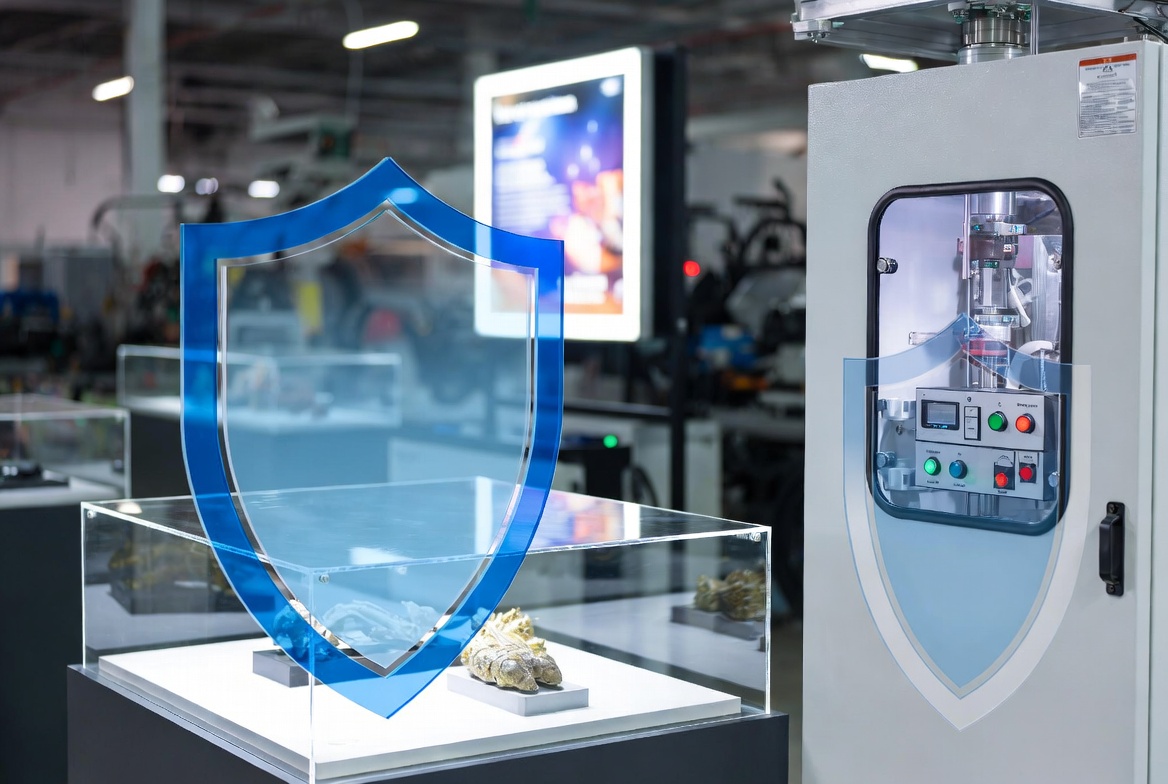
Different use cases call for different combinations of optical clarity, UV protection, and mechanical performance.
When evaluating acrylic sheet options for document and artwork protection, consider:
- UV blocking performance: Look for quantified UV filtering percentages over the most damaging ranges (typically around 280–400 nm). [moviiu]
- Optical clarity and color neutrality: For art and photography, you want acrylic that is clear and does not introduce noticeable color cast.
- Surface options: Anti‑glare (e.g., P99‑type) surfaces can reduce reflections in bright spaces, but should maintain acceptable sharpness for detailed works. [artworkarchive]
- Mechanical properties: Impact resistance, stiffness, and scratch resistance may be important for public exhibits, vending equipment windows, or interactive displays. [pmma]
- Processing compatibility: Check that the material works well with your cutting, printing, bonding, or thermoforming processes.
- Museum and gallery framing: High UV‑filtering, optically clear acrylic with optional anti‑glare finish to protect and present works under controlled lighting. [artworkarchive]
- Corporate and government archives: UV‑resistant acrylic doors and panels in storage cabinets and reading rooms, combined with low‑light policies. [archives]
- Retail and signage: UV‑protected acrylic for signage, illuminated displays, and product showcases to preserve printed graphics and brand colors. [pmma]
- Consumer home framing: Lightweight, shatter‑resistant UV acrylic to protect family photos, diplomas, and certificates in environments with mixed light sources. [ugallery]
To make this practical, here is a concise workflow you can follow or share with your customers when using UV‑filtering acrylic sheets.
1. Assess the item
Identify paper type, existing damage, and sensitivity. Highly valuable or fragile items warrant the highest level of UV protection and conservation materials. [archives]
2. Choose conservation‑grade materials
Select UV‑filtering acrylic, acid‑free backing boards, and conservation‑quality matting to avoid introducing new sources of chemical deterioration. [ugallery]
3. Prepare the environment
Work in a clean, dry area away from direct sunlight. Maintain moderate temperature and humidity to avoid condensation or warping. [ugallery]
4. Assemble the frame
Place the artwork or document using archival hinges, then install the UV acrylic sheet in the frame, ensuring it is clean and free of dust on both sides before closure. [archives]
5. Position the finished piece
Hang the framed item away from windows, radiators, and HVAC vents, ideally in a space with controlled lighting and limited UV exposure. [ugallery]
6. Maintain and monitor
Clean the acrylic with non‑abrasive, acrylic‑safe cleaners and a soft cloth, and periodically inspect for early signs of fading or yellowing. [pmma]
For OEM customers, many of these steps can be embedded into standard operating procedures, so every installed unit in the field consistently protects the contents behind the acrylic.
From working with both high‑end collectors and volume OEM buyers, several practical patterns emerge:
- Start with UV protection where risk is highest—sun‑facing walls, lobby displays, and irreplaceable originals—then expand to less critical locations as budgets allow. [ugallery]
- Use UV‑filtering acrylic plus window film in very bright environments instead of relying on a single layer of protection. [moviiu]
- For public spaces, favor impact‑resistant acrylic over glass to reduce the risk of injury and damage from breakage. [pmma]
- Standardize a small portfolio of acrylic specifications (e.g., thicknesses, UV rating, surface finish) to simplify procurement and ensure consistent protection across facilities. [blog.saleslayer]
When properly specified, UV‑filtering acrylic often pays for itself by reducing conservation interventions, reprints, and reputational risk from damaged or faded displays.
If you are responsible for protecting documents, artwork, or printed graphics—whether as a curator, brand manager, or OEM product owner—now is the time to map out a UV‑safe glazing strategy. Start by:
- Auditing your most exposed or valuable pieces.
- Identifying where standard glazing should be upgraded to UV‑filtering acrylic.
- Defining technical specs (size, thickness, UV rating, finish) that an OEM supplier can produce consistently.
From there, you can work with a specialized acrylic sheet supplier like Gokai to develop custom‑cut, UV‑optimized panels that fit your frames, cabinets, and equipment designs, ensuring reliable protection across all of your global installations.
1. Is regular acrylic enough to protect my artwork from UV damage?
Standard clear acrylic offers some UV resistance but typically does not achieve the high blocking levels recommended for long‑term preservation of valuable artwork or documents. For sensitive or irreplaceable pieces, you should use acrylic specifically engineered as UV‑filtering or museum‑grade. [artworkarchive]
2. How much UV protection do I really need?
For conservation purposes, many archives and museums aim for glazing that blocks a very high percentage of UV light—often in the range of about 98% for critical displays. The exact requirement depends on how valuable and sensitive the items are and on the lighting conditions in the display area. [artworkarchive]
3. Will UV‑filtering acrylic change the appearance of my artwork?
High‑quality UV‑filtering acrylic is designed to be optically clear and color‑neutral, so it does not noticeably alter colors under standard viewing conditions. Anti‑glare finishes can slightly soften reflections, but reputable products balance this with good detail preservation for fine artwork and photography. [pmma]
4. Can I rely on indoor lighting alone to avoid UV damage?
No. Many indoor light sources, including some fluorescent and LED systems, still emit UV components that can cause cumulative damage over time. It is safer to treat both daylight and artificial light as potential UV risks and use UV‑filtering glazing and controlled lighting together. [moviiu]
5. How should I clean UV‑filtering acrylic sheets without scratching them?
Use a soft, non‑abrasive cloth and cleaners specifically recommended for acrylic surfaces, avoiding harsh chemicals or rough materials that can scratch the sheet. Regular gentle cleaning maintains optical clarity without compromising the UV‑protective properties. [pmma]
1. Acme Plastics. "Dangers of UV Lighting to Documents and Artwork." [https://www.acmeplastics.com/content/dangers-of-uv-lighting-to-documents-and-artwork/]
2. National Archives. "How to Preserve Family Archives (papers and photographs)." [https://www.archives.gov/preservation/family-archives/displaying]
3. Moviiu. "UV Protection for Artwork: Definition and Best Practices." [https://moviiu.com/en/uv-protection-for-artwork-definition/]
4. Artwork Archive. "How To Best Display and Protect Your Art at Home." [https://www.artworkarchive.com/blog/how-to-best-display-and-protect-your-art-at-home]
5. UGallery. "How To Protect Your Art from Sunlight." [https://www.ugallery.com/blogs/articles/how-to-protect-your-art-from-sunlight]
6. PMMA.hk. "亚克力板如何抵御紫外线,保持色彩持久?" [https://www.pmma.hk/news/145.html]
7. Sales Layer. "SEO for Manufacturing Companies: The 2026 Strategy Guide." [https://blog.saleslayer.com/seo-for-manufacturing-companies]