Shanghai Gokai Industry Co,.Ltd.
Call Us: +86-18918606548
Call Us: +86-18918606548
- Product Name
- Product Keyword
- Product Model
- Product Summary
- Product Description
- Multi Field Search
Views: 222 Author: Gokai Publish Time: 2026-06-18 Origin: Site


Content Menu
● Why Signage Still Outperforms "Just Digital"
● Defining Your Brand Through Signage (Before You Design Anything)
● Creative Signage Concepts That Actually Drive Visibility
>> Eye‑Catching Acrylic Signs for Modern Brands
>> Custom LED and Neon‑Style Signage
>> Interactive and Digital Signage Experiences
>> Strategic Sign Placement: Where Signs Work Hardest
● Choosing the Right Material: PVC Foam Board vs. Acrylic vs. ACP
>> Material Comparison for Modern Signage
● PVC Foam Board Signage: Practical Insights from the Field
● Acrylic Sheet Signage: When You Need Premium Brand Presence
● Aluminum Composite Panel Signage: Long‑Term Outdoor Branding
● Practical Steps to Plan High‑Impact Signage
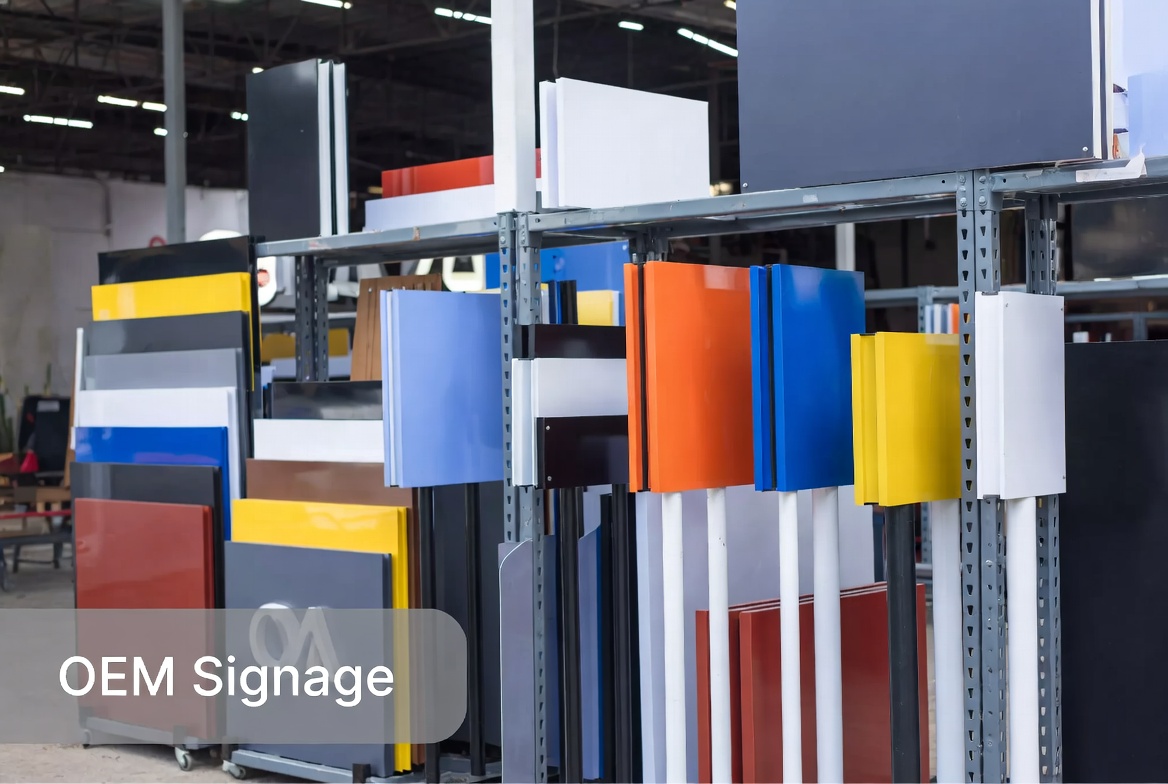
● Why Work with an OEM Supplier for PVC, Acrylic, and ACP Signage
● Call to Action: Turn Your Creative Signage Ideas into Durable Reality
● Frequently Asked Questions (FAQ)
Effective signage is still one of the fastest, most cost‑efficient ways to get noticed, build trust, and drive customers to take action in both physical and digital‑influenced journeys. At Gokai, we've spent years helping global brands and fabricators turn materials like PVC foam board, acrylic sheet, and aluminum composite panel (ACP) into high‑performing signs that actually move the needle on visibility and sales. [clevelandsigncompany]

In my work with retail chains, industrial parks, and trade‑show exhibitors, the same pattern appears again and again: when brands upgrade their signage, they see measurable lifts in foot traffic, time on site, and brand recall, even if their digital campaigns stay the same. [clevelandsigncompany]
Well‑designed signage works because it:
- Communicates who you are in seconds, before a visitor ever speaks to your team.
- Guides attention and movement, reducing friction on the path to purchase or enquiry.
- Reinforces brand cues (colors, typography, tone) across physical and digital touchpoints, creating a cohesive experience that people remember.
Before choosing a sign type or material, I always ask clients three questions:
1. What do you want people to feel in the first 3 seconds? (Safe, excited, premium, playful?)
2. What's the primary action you want them to take? (Enter, ask a question, scan a code, follow directions.)
3. Where will the sign live and for how long? (Indoor vs. outdoor, temporary vs. permanent.)
Your answers directly influence:
- Typography and color contrast for readability at distance.
- Material selection (PVC foam board, acrylic, ACP, etc.) based on durability, budget, and brand style. [clevelandsigncompany]
- Sign structure (flat panel, dimensional letters, backlit sign, digital display). [impactsigns]
For example, a high‑traffic outdoor wayfinding system in a logistics park often pairs PVC foam board panels for directional signs with ACP main entrance signs for higher stiffness and long‑term weather resistance. [impactsigns]
Signage trends move quickly, but several categories consistently deliver ROI when executed well and matched with the right substrate. [bigtprinting]
Acrylic signs offer a sleek, glass‑like appearance that instantly elevates reception areas, retail walls, and corporate lobbies. Their high clarity and smooth edges make logos and typography look premium, especially when paired with back‑printing or dimensional lettering.
Best practices from real‑world projects include:
- Layered acrylic panels that create a floating, 3D effect behind reception desks.
- Frosted or matte acrylic for privacy and brand graphics on meeting‑room glass, balancing aesthetics and function.
- Backlit acrylic logos using LED modules for subtle nighttime visibility in offices and hospitality venues. [bigtprinting]
Acrylic performs best when you need high visual impact indoors and moderate durability outdoors under canopies or sheltered locations. [impactsigns]
LED signage remains one of the most effective ways to catch attention from a distance, especially at night or in crowded environments. Modern LED systems allow: [eliteshirtco]
- Dynamic lighting effects, such as color transitions, pulsing, and programmable messages.
- Neon‑style flex LED that mimics classic neon aesthetics with far better energy efficiency and safety.
When paired with rigid substrates like acrylic or ACP, LED signs can:
- Highlight storefront names and taglines.
- Emphasize key service messages ("Open 24/7", "Custom Fabrication", "Free Consultation").
For longer‑term installations, it's critical to use backing materials with strong weather resistance and dimensional stability, such as ACP or high‑density PVC foam board. [clevelandsigncompany]
Digital signage turns static surfaces into data‑driven communication assets. Leading retailers and transportation hubs already deploy:
- Touchscreens for product discovery or wayfinding. [eliteshirtco]
- QR codes on rigid panels (PVC foam board or ACP) that bridge the gap between offline and online content. [eliteshirtco]
- Motion‑activated displays in high‑traffic corridors to extend dwell time and engagement.
A practical setup many of our OEM clients use:
- A PVC foam board totem or freestanding panel holding a digital display, with printed branding and clear calls‑to‑action around the screen.
- Aluminum composite backing to provide structural stiffness for larger embedded screens in malls or airports. [impactsigns]
Even the best design fails if placement is poor. Across retail, industrial, and event environments, several placement principles reliably improve performance: [eliteshirtco]
- High‑traffic lines of sight such as entrances, exits, escalators, and corridor crossings. [bigtprinting]
- Decision points where visitors must choose a direction (e.g., branching corridors, store aisles, industrial campus junctions).
- Pause zones such as reception desks, waiting areas, and food zones where people have the time to read more detailed messaging. [eliteshirtco]
Outdoor signs should align with eye level and approach angles for both pedestrians and drivers, often combining window graphics, perpendicular "flag" signs, and main fascia signs for layered visibility. [printmoz]
Material selection is often the difference between a sign that looks good for three months and one that delivers for five to ten years. Below is a concise material comparison. [clevelandsigncompany]
| Property / Use Case | PVC Foam Board | Acrylic Sheet | Aluminum Composite Panel (ACP) |
|---|---|---|---|
| Typical use cases | Indoor/outdoor signage, POP displays, wayfinding. (clevelandsigncompany) | Corporate logos, reception signs, lightboxes. (impactsigns) | Storefront fascias, outdoor branding, cladding. (impactsigns) |
| Weight and handling | Lightweight, easy to cut and mount. (clevelandsigncompany) | Moderate weight, rigid and stable. (impactsigns) | Very light vs. solid metal, high stiffness. (impactsigns) |
| Weather and moisture resistance | Excellent moisture resistance; 3–10+ years outdoors depending on grade. (clevelandsigncompany) | Good outdoors if protected; best indoors. (impactsigns) | Excellent outdoor durability, ideal for facades. (impactsigns) |
| Surface finish | Smooth, matte or semi‑gloss for printing. (clevelandsigncompany) | High‑gloss or frosted, glass‑like finish. | Smooth metal‑like surface, can be coated. (clevelandsigncompany) |
| Print and graphics compatibility | Ideal for digital printing, vinyl, painting. (clevelandsigncompany) | Great for back‑printing, vinyl, laser cutting. | Supports vinyl, printing, and routed shapes. (impactsigns) |
| Structural strength | Good rigidity; higher density for more demanding use. (clevelandsigncompany) | Strong and rigid but brittle under impact. (impactsigns) | High structural strength, resists bending. (impactsigns) |
| Typical service life (outdoor) | 3–5 years standard, 7–10+ years UV‑stabilized. (clevelandsigncompany) | 3–7 years depending on exposure and care. (impactsigns) | 10+ years with proper coating and maintenance. (impactsigns) |
For many clients, PVC foam board is the most cost‑effective choice for indoor wayfinding, POP displays, and short‑ to medium‑term exterior signs, while ACP is reserved for primary identity signage and building‑scale branding. [impactsigns]
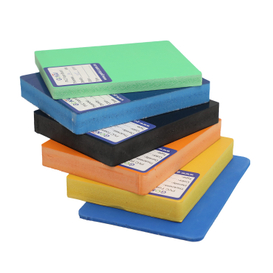
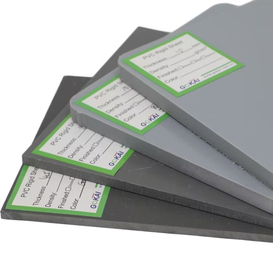
PVC foam board has become the industry‑standard substrate for professional sign makers because it blends rigidity, light weight, printability, and cost control. In 2024, signage and graphics alone accounted for around 35% of global PVC foam board consumption, underscoring its dominance in this sector. [clevelandsigncompany]
From a practitioner's perspective, the advantages that show up day‑to‑day include:
- Easy fabrication with standard woodworking tools (saws, routers, CNC), enabling fast prototypes and complex shapes. [clevelandsigncompany]
- Low water absorption (below 0.5%), preventing warping or swelling in humid or outdoor environments. [clevelandsigncompany]
- Multiple density options so you can balance budget and performance:
- Low density for temporary, cost‑sensitive promotions.
- Medium density (the most common) for general indoor/outdoor signage.
- High density for more demanding outdoor or structural applications. [clevelandsigncompany]
For global OEM customers, this means you can standardize on a base material family and fine‑tune density and thickness depending on project requirements, simplifying procurement and ensuring predictable performance.
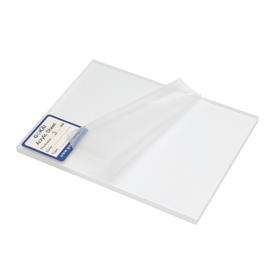
Acrylic shines (literally) when the priority is perceived quality and visual clarity. In offices, hospitals, retail flagships, and high‑end showrooms, it's often the substrate of choice for: [impactsigns]
- Logo panels and dimensional lettering mounted with standoffs.
- Back‑printed acrylic where graphics are printed on the reverse side to protect ink layers.
- Illuminated signs that rely on acrylic's ability to diffuse light evenly. [impactsigns]
Compared with PVC foam board, acrylic:
- Offers higher transparency and gloss, ideal for premium brands.
- Requires more care in handling, as it can scratch or crack under impact. [impactsigns]
- Benefits from precise OEM cutting and polishing to maintain edge quality.
For many brands, the best approach is hybrid: PVC foam board for directional and informational signs, and acrylic for halo logos and hero brand statements in key locations.
Aluminum composite panel (ACP) combines two thin aluminum layers bonded to a lightweight core, creating a panel that is both rigid and light. It is widely used for: [impactsigns]
- Storefront fascias and canopy signs that must resist wind, UV, and rain for years. [impactsigns]
- Corporate and industrial park entry signs, where structural integrity and clean lines are critical. [clevelandsigncompany]
- Cladding systems that integrate brand colors into the building envelope.
ACP is especially valuable when:
- You need large‑format panels that remain flat and dimensionally stable.
- Signs must integrate mechanically with building structures or cladding.
- A metallic or brushed finish aligns with the brand's design language. [impactsigns]
For global OEM clients, ACP offers strong lifecycle economics: higher upfront cost than PVC foam board, but much longer service life and reduced maintenance in harsh outdoor environments. [printmoz]
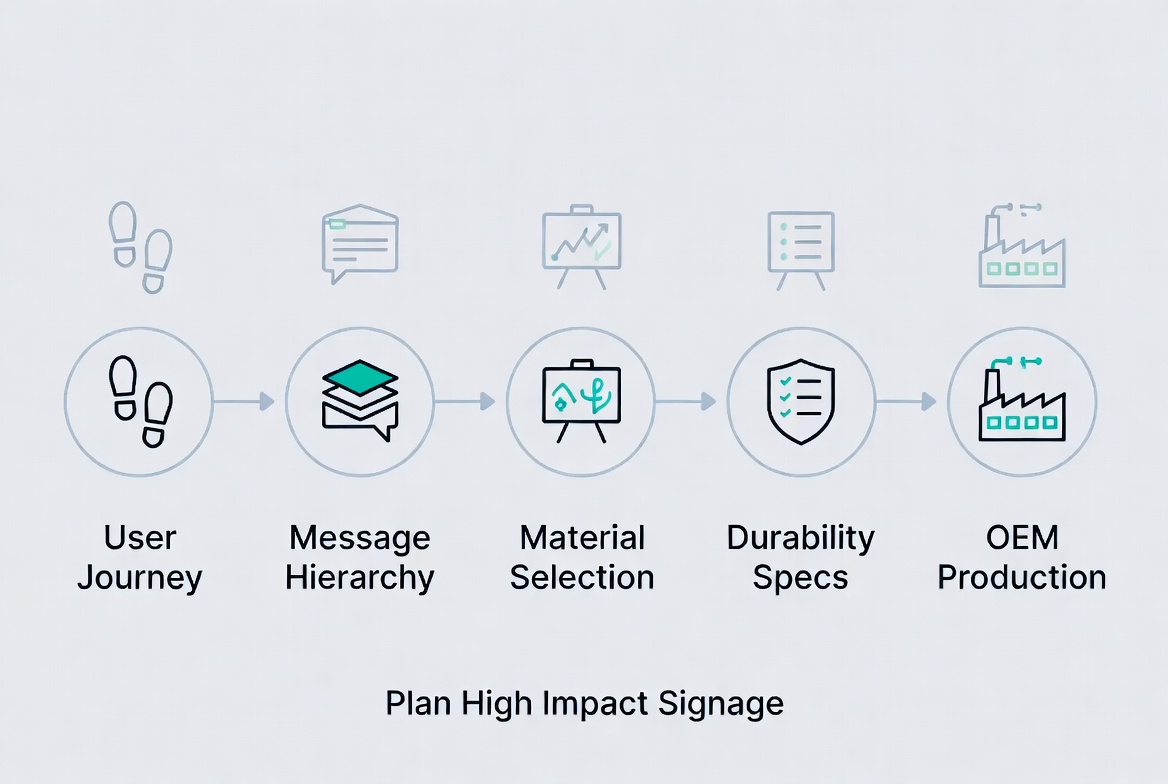
Drawing on multiple rollouts across retail and industrial spaces, here is a practical workflow that consistently yields high‑impact signage systems:
1. Map key user journeys: entrances, decision points, and value‑communication zones (e.g., product walls, counters). [eliteshirtco]
2. Define message hierarchy: brand identity signs, wayfinding, promotions, and regulatory information.
3. Assign materials by function:
- PVC foam board for wayfinding and promotions.
- Acrylic for hero logos and premium focal points.
- ACP for main exterior and long‑term structural signage. [clevelandsigncompany]
4. Specify durability requirements: expected service life, climate, UV exposure, and maintenance capacity. [printmoz]
5. Align design and fabrication: collaborate early with OEM suppliers on thickness, density, color, and mounting methods to avoid over‑engineering or under‑specification.
This approach minimizes redesigns, controls costs, and ensures the signage system can scale across sites and regions.
For brands and sign shops serving multiple markets, working with an OEM‑capable supplier offers several strategic advantages:
- Consistent material quality backed by documented testing and quality control. [clevelandsigncompany]
- Custom thicknesses, colors, and finishes aligned with brand standards and project needs. [impactsigns]
- Optimized logistics for global deployments, including consolidated shipments and standardized sheet sizes. [clevelandsigncompany]
An experienced OEM partner can also advise on:
- Choosing between standard free‑foam PVC boards, celuka boards, co‑extruded boards, and laminated boards depending on application and budget. [clevelandsigncompany]
- Selecting UV‑stabilized or fire‑rated grades when regulations or climate demand it. [clevelandsigncompany]
- Matching print and coating systems to specific substrate properties to avoid adhesion or color‑shift issues. [clevelandsigncompany]
For marketing and procurement teams, this means fewer surprises, smoother rollouts, and more consistent brand presentation worldwide.
If you're planning a new signage program—or upgrading existing signage to boost brand visibility—this is the ideal moment to align your creative concepts with engineering‑level material decisions.
By partnering with a supplier that specializes in PVC foam board, acrylic sheet, and aluminum composite panel OEM production, you can:
- Translate brand guidelines into material‑specific specifications that scale globally.
- Build signs that look great, perform reliably, and are cost‑efficient over their lifecycle.
- Ensure your next signage rollout delivers measurable improvements in visibility, foot traffic, and brand recall.
Reach out with your current signage drawings or brand guidelines, and we can help you select the right substrate mix and fabrication approach for your next project.
Q1: What is the most durable material for outdoor business signage?
For long‑term outdoor branding such as storefront fascias and entry signs, aluminum composite panel is often the most durable choice thanks to its strong, lightweight structure and excellent weather resistance. [printmoz]
Q2: When should I use PVC foam board instead of acrylic?
Use PVC foam board when you need lightweight, cost‑efficient panels for indoor and medium‑term outdoor applications such as wayfinding, promotional signs, and trade‑show displays, especially where large formats and frequent updates are expected. [clevelandsigncompany]
Q3: Is PVC foam board really suitable for outdoor use?
Yes, PVC foam board offers low water absorption and good weather resistance, and UV‑stabilized grades can provide 7–10+ years of outdoor service life when properly specified and installed. [clevelandsigncompany]
Q4: How do I decide between digital and static signage?
Digital signage is ideal where you frequently change messages or need interactive experiences, while static signs on PVC foam board, acrylic, or ACP are more cost‑effective for fixed brand identities, wayfinding, and regulatory information. [eliteshirtco]
Q5: Can I print directly onto PVC foam board and ACP?
Yes, both substrates are widely used for direct digital printing and also support vinyl applications; PVC foam board is known for its smooth, printable surface, while ACP is often printed or laminated for long‑term outdoor use. [impactsigns]
1. Acme Plastics – “Creative Signage Ideas to Boost Brand Visibility and Attract Customers.” https://www.acmeplastics.com/content/creative-signage-ideas-to-boost-brand-visibility-and-attract-customers/
2. Laird Plastics – “PVC Foam Board Guide: Properties, Uses & Types” (2025 update). https://lairdplastics.com/resources/pvc-foam-board-guide-2025-update/
3. Impact Signs – “Top Durable Materials for Outdoor Signs.” https://www.impactsigns.com/outdoor-sign-material/
4. Printmoz – “What is the Best Material for Outdoor Signs.” https://www.printmoz.com/blog/what-is-the-best-material-for-outdoor-signs
5. Elite Shirt Co – “Boost Brand Visibility: 5 Creative Event Signage Ideas.” https://eliteshirtco.com/5-creative-ways-to-use-event-signage-to-boost-your-brand-visibility/
6. Cleveland Sign Company – “Creative Signage Ideas to Make Your Business Stand Out.” https://clevelandsigncompany.org/creative-signage-ideas-to-make-your-business-stand-out/
7. Big T Printing – “5 Creative Business Sign Ideas to Boost Visibility.” https://bigtprinting.com/5-creative-business-sign-ideas-to-boost-visibility/