Shanghai Gokai Industry Co,.Ltd.
Call Us: +86-18918606548
Call Us: +86-18918606548
- Product Name
- Product Keyword
- Product Model
- Product Summary
- Product Description
- Multi Field Search
Views: 222 Author: Gokai Publish Time: 2026-06-08 Origin: Site


Content Menu
● Key Property Comparison: Acrylic vs Nylon at a Glance
● Mechanical Strength, Impact, and Wear
● Optical and Aesthetic Performance
● Heat, UV, and Outdoor Durability
● Moisture, Chemical Resistance, and Dimensional Stability
● Machinability, Fabrication, and Design Flexibility
● Cost, Availability, and Supply Chain Considerations
● When Acrylic Is the Better Choice (From Real Projects)
● How Experienced Buyers Evaluate Acrylic vs Nylon (Step‑by‑Step)
● Working With an Acrylic Sheet OEM Like Gokai
● FAQs on Acrylic vs Nylon for B2B Projects
Acrylic and nylon are both versatile engineering plastics, but they excel in very different scenarios: acrylic is the go‑to for clarity, appearance, and UV stability, while nylon dominates in strength, wear resistance, and moving parts. For a sheet supplier like Gokai serving global OEM buyers, positioning acrylic sheets as the best choice for displays, glazing, and outdoor visual applications—while honestly explaining where nylon is stronger—builds both trust and conversions. [youtube]
For B2B designers, engineers, and sourcing managers, choosing acrylic vs nylon is rarely a "materials theory" question—it's a risk management and lifetime cost decision. A wrong pick can lead to yellowed displays, cracked machine covers, swollen parts, or costly re‑tooling after field failures. [youtube]
From my experience working with international buyers across retail fixtures, machinery covers, and export packaging, the same pattern repeats:
- Teams underestimate the importance of clarity and UV stability in customer‑facing parts.
- Mechanical engineers sometimes over‑spec nylon where a high‑quality acrylic sheet would perform better at lower cost and with better aesthetics. [youtube]
In this guide, I'll walk through the real‑world trade‑offs between acrylic and nylon from a practical, project-level perspective, then show where Gokai acrylic sheets can de‑risk your next build.
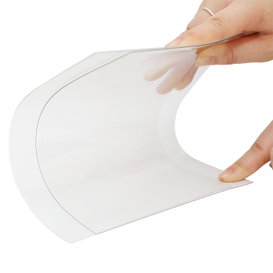
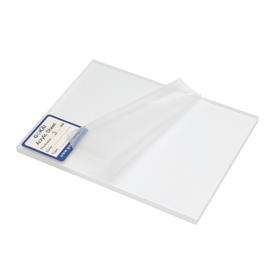
Acrylic, or polymethyl methacrylate (PMMA), is a transparent thermoplastic widely used as a lightweight, shatter‑resistant alternative to glass. It is produced by polymerizing methyl methacrylate monomers into a stable, predictable structure that performs consistently in mass production. [youtube]
In sheet form, you'll usually encounter:
- Cast acrylic sheets – better optical clarity and surface quality.
- Extruded acrylic sheets – more cost‑effective and easier to process for high‑volume work. [youtube]
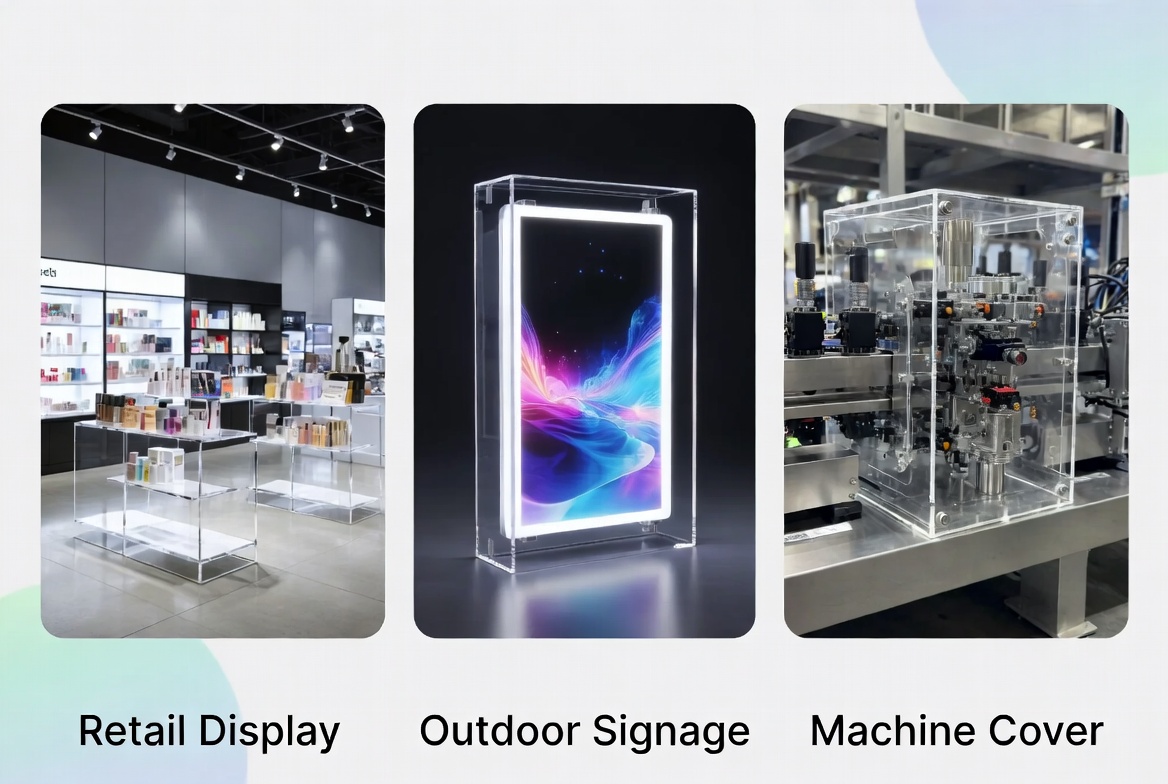
Because of its combination of clarity, stiffness, and weatherability, acrylic is a natural fit for:
- Retail and cosmetic display fixtures
- Signage and light boxes (indoor and outdoor)
- Machine covers and safety shields where visibility is critical
- Windows, skylights, and glazing panels in architectural projects [youtube]
Nylon is a synthetic polyamide originally developed as a textile fiber and later adopted as a tough engineering plastic. It has a semi‑crystalline structure that sacrifices optical clarity but delivers excellent strength, wear, and fatigue resistance. [youtube]
Common engineering grades include:
- Nylon 6 – good overall toughness, lower melting point.
- Nylon 66 – higher heat and chemical resistance, often preferred in demanding industrial parts.
In industrial and consumer products, nylon shows up where parts move, flex, or carry load:
- Gears, bearings, and bushings
- Cable ties, clips, and fasteners
- Tool housings and mechanical brackets
- Automotive and machinery components exposed to friction and repeated stress [youtube]
| Aspect | Acrylic Sheet | Nylon Material |
|---|---|---|
| Optical clarity | Up to ~92–93% light transmission, clearer than glass (youtube) | Opaque or milky; not suitable where full transparency is required |
| Mechanical behavior | Rigid, can be brittle under impact or sharp stress (youtube) | Tough, flexible, high wear resistance and tensile strength (youtube) |
| Heat behavior | Softens around ~100 °C, can warp in high heat or humidity | Handles higher temperatures, especially reinforced grades; but heat sensitive at extremes |
| UV/weather resistance | Naturally UV stable; excellent for outdoor signage and glazing (youtube) | Poor UV resistance without stabilizers; can yellow or degrade outdoors |
| Moisture behavior | Very low water absorption; dimensional stability in humid conditions (youtube) | Absorbs moisture and can swell, affecting tight tolerances |
| Surface & aesthetics | High‑gloss, easily polished and edge‑lit; premium appearance | Matte or dull; built for function rather than aesthetics |
| Price & availability | Generally cheaper per m² and widely available in many colors/thicknesses (youtube) | Typically more expensive per kg; more standardized in appearance |
This table already hints at the core rule: if your part must be seen, go acrylic; if your part must move or bear load under friction, go nylon. [youtube]

From a purely mechanical standpoint, nylon is the stronger "workhorse" plastic, especially in dynamic applications. It offers:
- High tensile strength under load
- Excellent abrasion and wear resistance
- Low friction, allowing moving parts to operate with minimal lubrication
By contrast, acrylic is stiff but more brittle:
- It maintains shape well but can crack under sharp impact.
- It is not the best choice for high‑impact dynamic parts or heavily loaded bearings. [youtube]
That said, in static or low‑impact structural applications—like display racks, light boxes, guards, and casings—acrylic provides more than enough strength while delivering superior appearance and UV stability. For OEMs, the question is not "which is stronger in absolute terms," but "what kind of stress will this component actually see in the field?" [linkedin]
If your project involves visual merchandising, branding, or customer‑facing surfaces, this is where acrylic simply outperforms nylon:
- Transparency: Acrylic can reach about 92–93% light transmission, even higher than standard glass. [youtube]
- Finish: Acrylic can be flame‑polished or machined to a crystal‑clear, high‑gloss edge, ideal for edge‑lit signs and premium retail fixtures.
Nylon, on the other hand:
- Appears opaque or milky, with a functional, "engineering plastic" look.
- Does not polish to a glass‑like finish and typically remains matte.
For B2B buyers, this often becomes a brand and conversion decision: a cosmetic stand or showroom display made from high‑clarity acrylic simply sells more product than the same unit in a dull engineering plastic. [youtube]
- Acrylic begins to soften around 100 °C, making it suitable for most indoor and moderate outdoor conditions but vulnerable near high‑temperature equipment.
- Nylon—especially glass‑filled grades—can tolerate higher heat and load, making it better for parts close to engines, motors, or high‑friction environments.
However, heat resistance alone doesn't decide outdoor performance.
- Acrylic is naturally UV stable, maintaining clarity and resisting yellowing over time, which is why it's widely used for outdoor signage, skylights, and protective panels. [youtube]
- Nylon degrades under UV unless specially stabilized, tending to yellow, embrittle, or lose strength when exposed to sunlight for extended periods.
If you're specifying materials for outdoor signage, glazing, or branded fixtures, this is a key reason many international buyers standardize on acrylic sheet rather than nylon. [youtube]
One of the most overlooked differences in acrylic vs nylon is moisture behavior:
- Nylon absorbs water, which can cause dimensional changes and swelling in tight‑tolerance assemblies, especially in humid climates or near water.
- Acrylic has very low water absorption, making it a reliable choice for aquariums, outdoor retail signage, and coastal installations. [youtube]
Chemically:
- Acrylic resists dilute acids reasonably well but is sensitive to certain solvents such as acetone, which can cause crazing.
- Nylon handles oils and fuels more effectively, which is why it's common in automotive and mechanical environments.
For OEM sourcing, this often comes down to a simple rule:
- Wet, oily, mechanical environments → nylon.
- Humid, visual, or water‑exposed environments where appearance matters → acrylic. [youtube]
From a fabrication standpoint, acrylic gives design teams more options for visually refined parts:
- Excellent performance in CNC machining and laser cutting, producing clean edges and precise details.
- Compatible with solvent bonding and UV‑curable adhesives, supporting invisible joints in displays and covers.
Nylon behaves differently:
- It can be machined but is generally not suitable for laser cutting, and achieving a "display‑grade" finish is difficult.
- Adhesive bonding is less reliable; mechanical fastening or welding methods (such as ultrasonic welding) are more common.
If your design brief calls for complex cut‑outs, illuminated logos, or premium edges, acrylic sheet is much easier to work with—particularly when your supplier can provide pre‑cut, pre‑finished OEM panels. [youtube]
From a purchasing perspective:
- Acrylic sheets are generally more economical per square meter than nylon stock, especially in larger panels. [youtube]
- Acrylic is widely available in multiple thicknesses, colors, textures, and finishes, supporting both functional and branding requirements.
Nylon, while more expensive per kg, is chosen when its mechanical performance justifies the cost—for example, in critical gears, bearings, or structural brackets. [youtube]
For global OEM programs, acrylic often offers:
- Shorter lead times due to broader stock availability in Asia.
- Lower overall project cost when you consider material, machining, and lifetime performance for visual components.
Based on both published performance data and factory‑side experience, acrylic is typically the superior option when:
1. Visibility and clarity drive value
- Cosmetic and skincare displays
- Jewelry and electronics presentation stands
- Machine and equipment covers where operators must see inside [youtube]
2. Outdoor branding and signage matters
- Light boxes, logo signs, shopfront panels
- Directional signs in malls, stations, or campuses [youtube]
3. Moisture and UV are unavoidable
- Aquariums and water‑adjacent displays
- Coastal or high‑humidity installations where nylon swelling would be a risk
For these categories, a high‑quality acrylic sheet program with consistent optical grade, UV stability, and tight thickness control gives OEM teams fewer surprises after installation. [youtube]
To maintain objectivity—which is critical for E‑E‑A‑T—it's important to be clear where nylon is still the smarter choice:
- High‑load, moving parts like gears, bushings, and wear pads in machinery. [youtube]
- Components in oil‑rich or fuel‑contact environments, where its chemical resistance is a strong advantage.
- Structural parts that flex under repeated stress, where acrylic's brittleness would be a liability.
In practice, many OEM programs will use acrylic for the visible, customer‑facing parts and nylon for hidden functional components, combining the strengths of both materials in one product line. [youtube]
From an expert sourcing perspective, here is a simple decision workflow you can apply on your next project:
1. Define the primary job of the part
- Is it mainly to show, protect, or brand (display/cover)?
- Or to move, carry load, or slide (mechanical)? [youtube]
2. Map the environment
- Indoor vs outdoor, exposure to UV, humidity, chemicals, or oils.
- Temperature range and proximity to heat sources.
3. Clarify tolerances and aesthetics
- Are you working with tight fits where swelling is unacceptable?
- Do you need high‑gloss edges, transparency, or brand‑specific colors? [youtube]
4. Estimate lifecycle cost
- Factor in breakage, yellowing, warping, and replacement cycles.
- Include machining yield and fabrication complexity.
5. Align with your supplier early
- Share drawings, performance expectations, and environment details.
- Ask for material recommendations and sample panels before locking in tooling.
This process not only leads to better material choices, it also signals to suppliers that you are a serious, long‑term partner—a key point for getting better pricing and technical support. [linkedin]
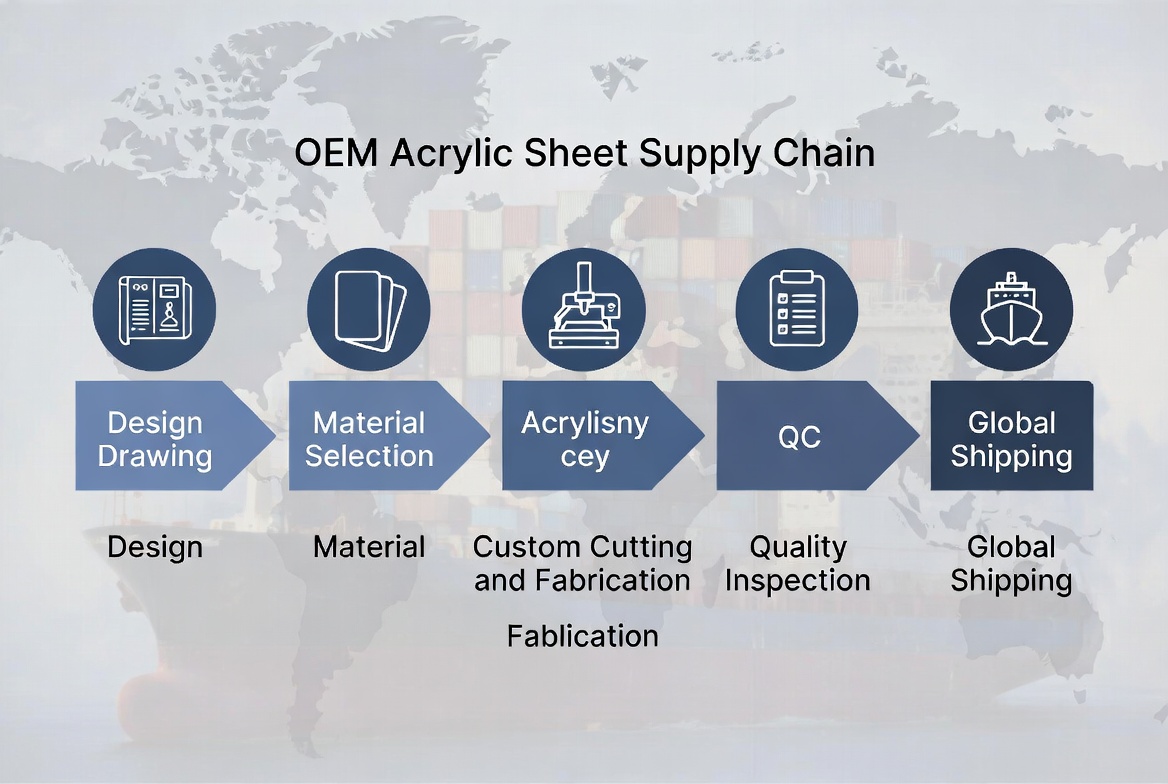
For global B2B buyers, choosing the right acrylic sheet supplier can matter as much as choosing the right material. A capable OEM partner should help you:
- Match material grade (cast vs extruded, UV‑grade, impact‑modified) to the real use case, not just generic specs.
- Optimize thickness, cutting pattern, and packaging to reduce waste and shipping cost across multiple SKUs.
- Provide consistent quality and surface protection, especially for high‑gloss or printed surfaces. [semrush]
As an OEM‑focused supplier, a partner like Gokai can:
- Deliver custom sizes, colors, and finishes aligned with your branding and regional regulations.
- Support multi‑market export requirements, including documentation and certifications needed for EU, North America, and Asia‑Pacific shipments.
- Work directly with your designers and engineers to reduce the risk of material‑related field failures. [semrush]
If you are scaling a product line globally, consolidating acrylic sheet sourcing through a single experienced OEM is one of the most effective ways to simplify your supply chain while protecting brand consistency.
1. Can I replace glass with acrylic in outdoor applications?
Yes, acrylic is widely used as a glass replacement in windows, skylights, and outdoor signage because it is lighter, shatter‑resistant, and naturally UV stable, with high optical clarity. [youtube]
2. Is nylon ever a good choice for transparent parts?
No—standard engineering nylon is not truly transparent and is unsuitable where full visibility is required; acrylic or polycarbonate are typically used instead for clear components.
3. Will acrylic crack during machining or drilling?
Quality acrylic can be cut, drilled, and machined successfully when proper tooling and feed rates are used, but it is more brittle than nylon and requires correct machining practices. [youtube]
4. How does moisture affect nylon components in humid climates?
Nylon can absorb moisture and swell, which may affect dimensions and fit in precision assemblies, especially in coastal or high‑humidity environments.
5. Which material is better for long‑term outdoor signage: acrylic or nylon?
For outdoor signage, acrylic is strongly preferred thanks to its UV stability, clarity, and resistance to yellowing, while nylon degrades under UV unless specially stabilized. [youtube]
1. Acme Plastics – "Acrylic vs Nylon: What are the Key Differences?"
<https://www.acmeplastics.com/content/acrylic-vs-nylon-what-are-the-key-differences/> [youtube]
2. Feilong Acrylic – "Acrylic vs Nylon: Which One Fits Your Design Best?"
<https://flacrylic.com/acrylic-vs-nylon/>
3. Alibaba Product Insights – "A Complete Guide to Nylon Vs Acrylic: Specifications, Types, and Applications"
<https://www.alibaba.com/product-insights/nylon-vs-acrylic.html> [alibaba]
4. SEMrush – "Google E‑E‑A‑T: What It Is & How It Affects SEO"
<https://www.semrush.com/blog/eeat/> [semrush]
5. Boostability – "Google E‑E‑A‑T (2024 Ultimate Guide)"
<https://www.boostability.com/resources/google-e-e-a-t-guide/> [boostability]
6. Workshop Digital – "An SEO Guide to E‑E‑A‑T"
<https://www.workshopdigital.com/blog/googles-e-e-a-t-and-seo-guidelines/> [workshopdigital]