Shanghai Gokai Industry Co,.Ltd.
Call Us: +86-18918606548
Call Us: +86-18918606548
- Product Name
- Product Keyword
- Product Model
- Product Summary
- Product Description
- Multi Field Search
Views: 222 Author: Gokai Publish Time: 2026-06-07 Origin: Site


Content Menu
● What Is Acrylic Sheet (Plexiglass)?
● Why Acrylic Sheet Is Preferred in Commercial Projects
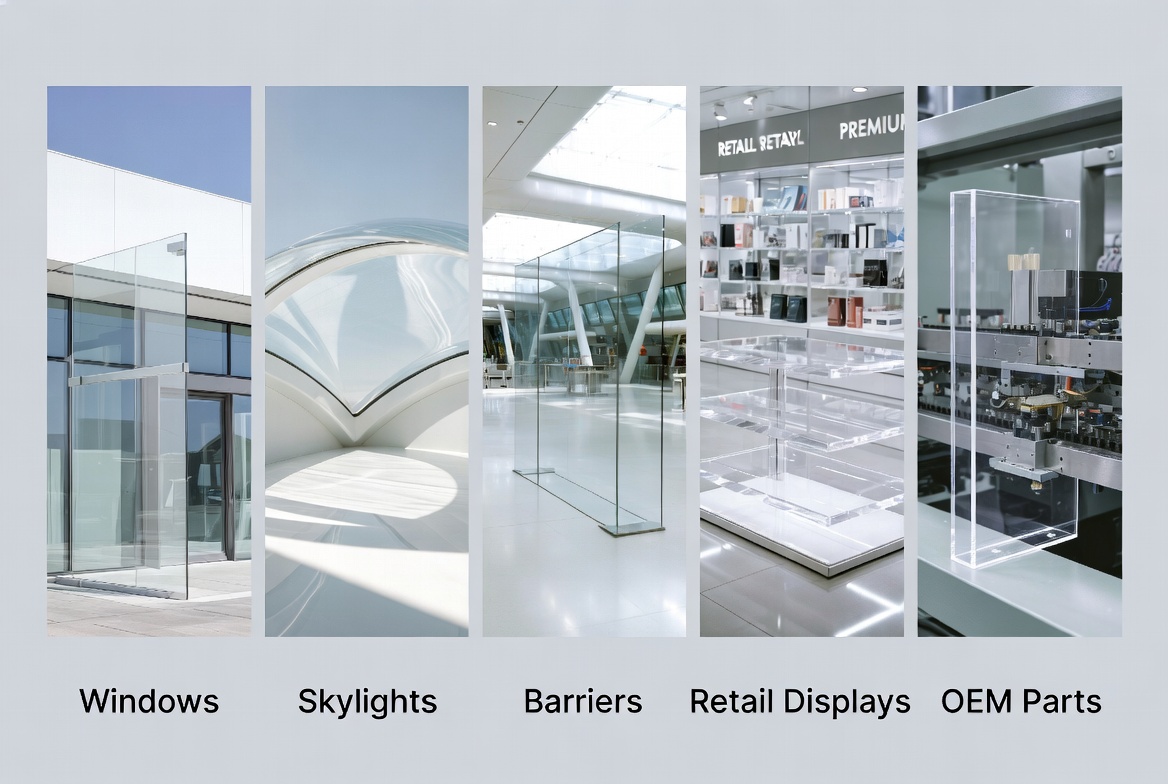
● Commercial Acrylic Windows and Glazing
● Skylights and Architectural Daylighting
● Secure Facilities, Barriers, and Shields
● Retail Displays, Merchandising, and Branding
● Trade Show and Exhibition Structures
● OEM Components and Industrial Applications
● How to Select the Right Acrylic Sheet for Your Project
● OEM Partnership: What Gokai Brings to Global Buyers
● Practical Tips to Reduce Acrylic Sheet Failure in the Field
● Sustainability and Lifecycle Considerations
● When to Choose Acrylic Over Glass or Other Plastics
● Summary Table: Core Commercial Uses of Acrylic Sheet
● How to Start Your Next Acrylic Sheet Project with Gokai
● FAQs About Acrylic Sheet for Commercial Use
Acrylic sheet (plexiglass) has become one of the most versatile, high‑value materials for modern commercial projects, from retail displays and OEM signage to safety barriers and architectural glazing. As a global acrylic sheet supplier, Gokai has seen first‑hand how the right grade, thickness, and fabrication approach can dramatically improve performance, durability, and total cost of ownership for B2B buyers. [linkedin]
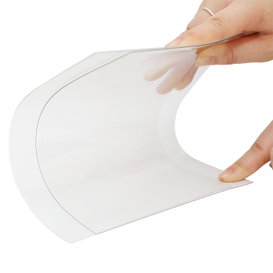
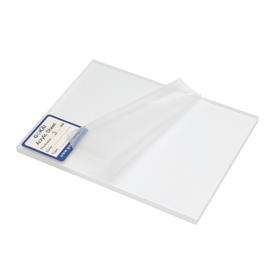
Acrylic sheet (often called plexiglass or PMMA) is a transparent thermoplastic known for its excellent optical clarity, impact resistance, and ease of fabrication. Unlike standard glass, acrylic weighs about half as much at comparable thickness while offering significantly higher impact strength and better shatter resistance. [margacipta]
Because acrylic softens when heated and regains rigidity after cooling, it can be cut, thermoformed, CNC‑machined, polished, and bonded into a wide range of custom parts. This makes it ideal for OEMs and fabricators who need reliable sheet stock for repeated production runs as well as one‑off custom projects. [linkedin]

From an engineering and procurement standpoint, acrylic sheet offers a combination of properties that are difficult to match with traditional glass or low‑grade plastics. [margacipta]
Key benefits of acrylic sheet for B2B and OEM buyers: [linkedin]
- High light transmission up to approximately 92–93%, comparable to or better than glass, enabling bright displays and clear visibility. [margacipta]
- Impact resistance several times higher than standard glass, reducing breakage and maintenance costs in high‑traffic or high‑risk areas. [linkedin]
- Lightweight construction, roughly half the weight of glass, lowering shipping costs and making installation safer and easier. [margacipta]
- Excellent weatherability, especially for UV‑stabilized grades, which is crucial for outdoor signage, canopies, and building exteriors. [margacipta]
- Easy fabrication, including laser cutting, CNC machining, edge polishing, drilling, and printing, which supports cost‑effective OEM production. [linkedin]
For buyers, these benefits translate into lower lifecycle costs, more design freedom, and faster project delivery, especially when working with an experienced acrylic sheet OEM partner. [attractandengage.co]
Acrylic sheet has become a mainstream option for commercial and residential windows, internal partitions, and protective glazing. Its combination of high light transmission and impact resistance makes it suitable for buildings that need both aesthetics and safety. [linkedin]
Typical window and glazing applications include: [linkedin]
- Storefront windows and display façades
- Interior office partitions and meeting room panels
- Transportation hubs, shelters, and station glazing
- Machine guarding windows in industrial environments
Compared with standard glass, acrylic windows are easier to handle on‑site and less likely to shatter, which is important for high‑traffic retail, schools, and public facilities. When combined with proper framing and sealing, acrylic glazing can also contribute to energy efficiency and noise reduction, especially in multi‑layer or laminated configurations. [margacipta]
Skylights are a classic use case where acrylic's low weight and formability directly impact design and installation cost. Traditional glass skylights can be heavy and difficult to install over large spans, whereas acrylic sheet can be thermoformed into domes, pyramids, or custom shapes with less structural load. [margacipta]
Key advantages of acrylic skylights: [linkedin]
- Reduced roof load versus glass systems
- Flexible shapes (domes, continuous vaults, custom geometries)
- UV‑stabilized options to maintain clarity and color over time
- Resistance to hail and impact compared with fragile glass panels
For architects and contractors, specifying acrylic skylights enables more ambitious daylighting designs without incurring excessive structural reinforcement or installation risk. [margacipta]
In security‑sensitive environments, acrylic sheet is widely used to provide clear visibility with enhanced impact resistance. This is particularly relevant for government buildings, financial institutions, transport hubs, and industrial reception areas. [linkedin]
Examples include: [linkedin]
- Transaction windows and security screens
- Visitor reception barriers and counter shields
- Observation panels in controlled facilities
While polycarbonate is often chosen for extreme impact scenarios, many projects prefer acrylic for its optical clarity, scratch resistance, and cleaner appearance, especially when large, visible surfaces are involved. During and after the pandemic, demand for acrylic barriers and splash guards surged across schools, banks, restaurants, and manufacturing plants, accelerating innovation in modular barrier systems. [attractandengage.co]
Retailers and brand owners rely heavily on acrylic sheet for visual merchandising, in‑store branding, and product presentation. Acrylic's clarity and surface quality create a premium look, while the range of colors, finishes, and fabrication techniques allows almost unlimited creativity. [attractandengage.co]
Common acrylic retail applications include: [attractandengage.co]
- Countertop and free‑standing display units
- Product risers, shelves, and showcases
- Cosmetic, electronics, and luxury goods displays
- Illuminated brand logos and lightboxes
Because acrylic can be cast or extruded and produced in custom colors, OEM display manufacturers can standardize on specific SKUs that match a retailer's brand palette, while still maintaining cost efficiency for large rollouts. For global retail programs, an experienced supplier can coordinate sheet spec, cut‑to‑size services, and packaging to ensure consistent quality across regions. [attractandengage.co]
Trade show environments demand structures that are visually striking, yet lightweight and reusable. Acrylic sheet meets these requirements by enabling high‑impact designs that can be assembled, dismantled, and shipped multiple times. [attractandengage.co]
Typical uses at exhibitions: [attractandengage.co]
- Backlit panels and branded walls
- Product showcases and demo stations
- Podiums, lecterns, and signage
- Projection and LED diffusion panels
Because acrylic is malleable when heated and retains its form after cooling, designers can create curved surfaces, 3D logos, and sculptural elements that would be difficult or cost‑prohibitive with glass or metal. Over multiple events, acrylic structures often deliver a lower total cost than single‑use cardboard or MDF solutions, especially when durability and brand consistency are important. [attractandengage.co]
Beyond visible architectural and retail uses, acrylic sheet is widely integrated into OEM components and industrial equipment. For B2B buyers, this is often where acrylic's repeatability and machining characteristics matter most. [margacipta]
Industrial and OEM use cases include: [margacipta]
- Equipment covers, inspection windows, and gauge lenses
- Machine guards and light diffusers
- Control panel overlays and indicator housings
- Aquariums, tanks, and fluid visualization panels
Because acrylic can be supplied in standard and custom sizes, thicknesses, and tolerances, OEMs can align sheet specifications tightly with their CAD models and production processes. Partnering with a supplier that offers CNC cutting, polishing, and bending services can help reduce in‑house processing steps and improve overall throughput. [attractandengage.co]
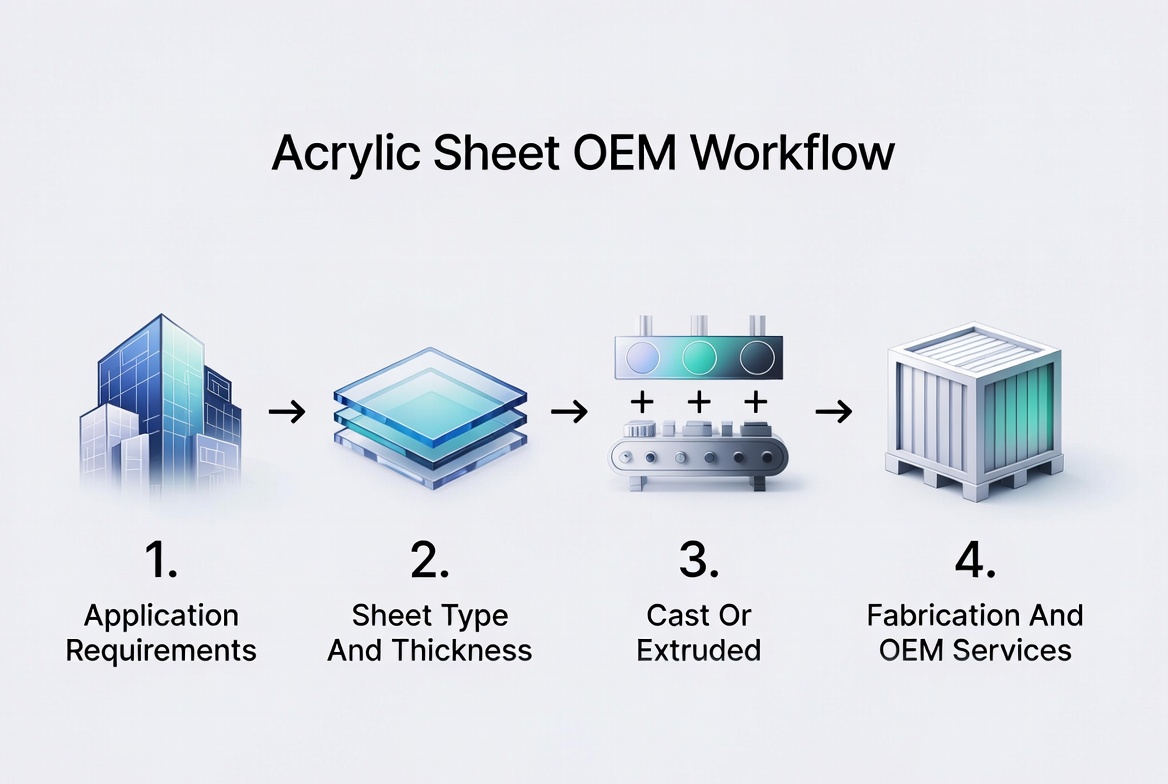
Many buyers underestimate how strongly sheet choice impacts performance, cost, and fabrication time. Drawing on OEM projects we support, the following framework can help you select the right acrylic sheet specification. [margacipta]
1. Clarify your application requirements [linkedin]
Start with a simple, structured checklist:
- Indoor vs. outdoor use
- Required transparency, tint, or color
- Expected impact and scratch exposure
- Temperature and chemical environment
- Branding or aesthetic constraints
2. Match thickness and grade to loads [linkedin]
Thicker sheets generally provide better stiffness and impact resistance, but add weight and cost. For glazing, barriers, or structural panels, discuss load cases and safety margins with your supplier or engineering team. [margacipta]
3. Decide on cast vs. extruded acrylic [margacipta]
- Cast acrylic: Better optical quality and thickness stability, ideal for premium displays, lenses, and machining‑intensive parts. [margacipta]
- Extruded acrylic: More cost‑effective for large‑volume projects, good for displays, POP fixtures, and basic glazing where ultra‑tight thickness tolerance is less critical. [margacipta]
4. Plan ahead for fabrication [linkedin]
Confirm how the sheet will be processed (laser, CNC, saw cutting, thermoforming, bonding). Properly specifying sheet type, protective films, and tolerances reduces scrap and speeds up production. [linkedin]
From an E‑E‑A‑T perspective, one of the strongest signals you can provide is real manufacturing and export experience. Gokai is not just a trader: we are a dedicated acrylic sheet and plastic sheet supplier working with OEM customers worldwide. [template.pinshop]
Key elements of an OEM‑ready acrylic partner include: [template.pinshop]
- Stable, consistent sheet quality across batches, supported by documented quality control.
- Engineering support for material selection, thickness optimization, and fabrication feasibility.
- Custom colors, textures, and finishes tailored to your brand or application.
- Cut‑to‑size and semi‑finished services (CNC, laser, bending) to reduce in‑house processing.
- Export experience, including packaging design, pallet optimization, and documentation for global shipping.
When you involve your supplier early in the design process, they can flag potential warping, stress cracking, or bonding issues before they appear on the production line, saving both time and material. [attractandengage.co]
Acrylic is reliable, but most in‑field failures come from avoidable design or installation errors rather than the material itself. Based on common project issues, consider the following best practices: [margacipta]
1. Avoid over‑tightening mechanical fasteners
Acrylic can crack if screws or bolts are overtightened or if thermal expansion is not accounted for. Use oversized holes and appropriate gaskets. [margacipta]
2. Use compatible adhesives and cleaners
Solvent‑based cleaners or incompatible adhesives can cause crazing and stress cracking over time. Always verify chemical compatibility with your supplier. [margacipta]
3. Protect against UV where necessary
For outdoor installations, specify UV‑stabilized acrylic and consider protective films or coatings for long‑term clarity. [margacipta]
4. Specify edge finishing for visible surfaces
Flame or diamond polishing on exposed edges significantly improves appearance in premium retail and architectural applications. [margacipta]
By integrating these checks into your design, procurement, and installation SOPs, you can extend acrylic service life and reduce warranty claims. [margacipta]
As environmental requirements tighten globally, more specifiers ask whether acrylic sheet is compatible with their sustainability and ESG goals. While acrylic is a petroleum‑based plastic, it offers several lifecycle advantages when used strategically. [caifuhao.eastmoney]
Potential sustainability benefits include: [caifuhao.eastmoney]
- Longer service life than many low‑grade plastics, reducing replacement frequency.
- Weight savings versus glass, which can lower transportation emissions.
- Recyclability, as many regions now accept PMMA scrap and offcuts for mechanical or chemical recycling streams.
Forward‑looking OEMs are also exploring closed‑loop programs, where production offcuts and end‑of‑life acrylic are collected, re‑processed, and returned as secondary raw material. Working with a supplier familiar with these options can help align your material choices with corporate sustainability objectives. [caifuhao.eastmoney]
In real‑world projects, material choice is rarely theoretical; it is a trade‑off between performance, cost, and operational risk. Acrylic stands out in scenarios where optical quality, impact resistance, and fabrication ease are critical. [margacipta]
Acrylic is often the better choice when: [linkedin]
- You need clear, lightweight panels that installers can safely handle without special lifting equipment.
- The environment involves moderate impact risk (public spaces, retail, schools) where glass breakage would be costly or dangerous.
- You require complex shapes, curves, or custom branding that are difficult to achieve with glass.
- Project timelines are tight, and you need cut‑to‑size or fabricated components delivered ready for installation.
Conversely, if your application involves extreme impact loads or high‑temperature environments, polycarbonate or glass‑ceramic may be more suitable; a knowledgeable supplier can help you compare options. [margacipta]
| Application area | Primary benefits of acrylic sheet |
|---|---|
| Windows & glazing | High clarity, impact resistance, lightweight installation, reduced breakage risk (linkedin) |
| Skylights | Low weight, formability into domes/shapes, good weather resistance (linkedin) |
| Barriers & shields | Personal protection, visibility, easy cleaning, modular designs (linkedin) |
| Retail displays | Premium look, color options, easy fabrication, branding flexibility (linkedin) |
| Trade show displays | Lightweight, reusable, sculptural design freedom (linkedin) |
| OEM & industrial parts | Machine guards, covers, lenses, consistent tolerances for production (margacipta) |
If you are planning a new retail rollout, trade show system, OEM component series, or architectural project, the most efficient first step is a structured discussion around your application and performance targets. [template.pinshop]
When you contact Gokai, be ready to share: [template.pinshop]
- Your intended application and environment (indoor/outdoor, temperature, chemicals)
- Approximate sizes, quantities, and project timeline
- Any branding, color, or optical requirements
- Whether you need sheet only or OEM fabrication services (cut‑to‑size, bending, CNC, printing)
From there, our technical and sales team can recommend specific acrylic sheet grades, thicknesses, and fabrication options, and provide a tailored quotation for global delivery. [template.pinshop]
Ready to discuss your project? Reach out to Gokai today to specify the right acrylic sheet solution and streamline your OEM or commercial build from design to installation. [template.pinshop]
1. Is acrylic sheet as clear as glass?
High‑quality clear acrylic sheet offers light transmission around 92–93%, which is comparable to or better than many glass types, while also providing better impact resistance. [linkedin]
2. Can acrylic sheet be used outdoors long‑term?
Yes, when you choose UV‑stabilized grades and follow recommended installation practices, acrylic sheet can deliver stable performance and clarity in outdoor applications such as signage, canopies, and skylights. [linkedin]
3. How does acrylic compare to polycarbonate for safety barriers?
Acrylic offers excellent optical clarity and good impact resistance, making it ideal for many protective barriers, while polycarbonate is the preferred choice for extreme impact environments; your supplier can help you choose based on risk level. [margacipta]
4. What thickness of acrylic sheet do I need for a window or shield?
Required thickness depends on panel size, mounting method, and load conditions, so it is best to discuss your specific use case with an experienced supplier or engineer to ensure adequate stiffness and safety margin. [linkedin]
5. Can acrylic sheet be recycled after use?
In many regions, PMMA acrylic can be mechanically or chemically recycled, and some suppliers support take‑back or closed‑loop programs for production offcuts and end‑of‑life panels. [caifuhao.eastmoney]
1. Acme Plastics – Commercial Uses for Plexiglass Sheets.
<https://www.acmeplastics.com/content/acrylic-plastic-commercial-uses/> [linkedin]
2. Margacipta – Benefits of Using Clear Cast Acrylic Sheet.
<https://www.margacipta.com/User/News/detail/Benefits-of-Using-Clear-Cast-Acrylic-Sheet> [margacipta]
3. Google Search Central – Creating Helpful, Reliable, People‑First Content.
<https://developers.google.com/search/docs/fundamentals/creating-helpful-content> [developers.google]
4. IO Digital – Google E‑E‑A‑T: Creating Content That Puts People First.
<https://www.iodigital.com/en/insights/blogs/google-e-e-a-t-creating-content-that-puts-people-first> [iodigital]
5. Attract & Engage – SEO Content to Get Back to No1 on Google.
<https://www.attractandengage.co.uk/project/seo-content-to-get-back-to-no1-on-google/> [attractandengage.co]
6. Eastmoney (Chinese) – 亚克力板:从"塑料新星"到行业"多面手",未来走向何方?
<https://caifuhao.eastmoney.com/news/20250625183202765016800> [caifuhao.eastmoney]
7. HubSpot – Is Your Website EEAT‑Compliant?
<https://blog.hubspot.com/website/eeat-compliance> [blog.hubspot]
8. IO Digital – E‑E‑A‑T Elements and Trust Signals.
<https://www.iodigital.com/en/insights/blogs/google-e-e-a-t-creating-content-that-puts-people-first> [iodigital]