Shanghai Gokai Industry Co,.Ltd.
Call Us: +86-18918606548
Call Us: +86-18918606548
- Product Name
- Product Keyword
- Product Model
- Product Summary
- Product Description
- Multi Field Search
Views: 222 Author: Gokai Publish Time: 2026-06-09 Origin: Site


Content Menu
● What Is Acrylic Sheet and Why Manufacturers Use It
● Key Advantages of Acrylic Sheet for OEM Projects
>> 1. Easy to Fabricate with Standard Equipment
>> 2. Lightweight but Much Stronger Than Glass
>> 3. Exceptional Optical Clarity and Long‑Term Transparency
>> 4. Easy to Clean and Maintain in Daily Use
● Where Acrylic Sheet Outperforms Glass and Other Plastics
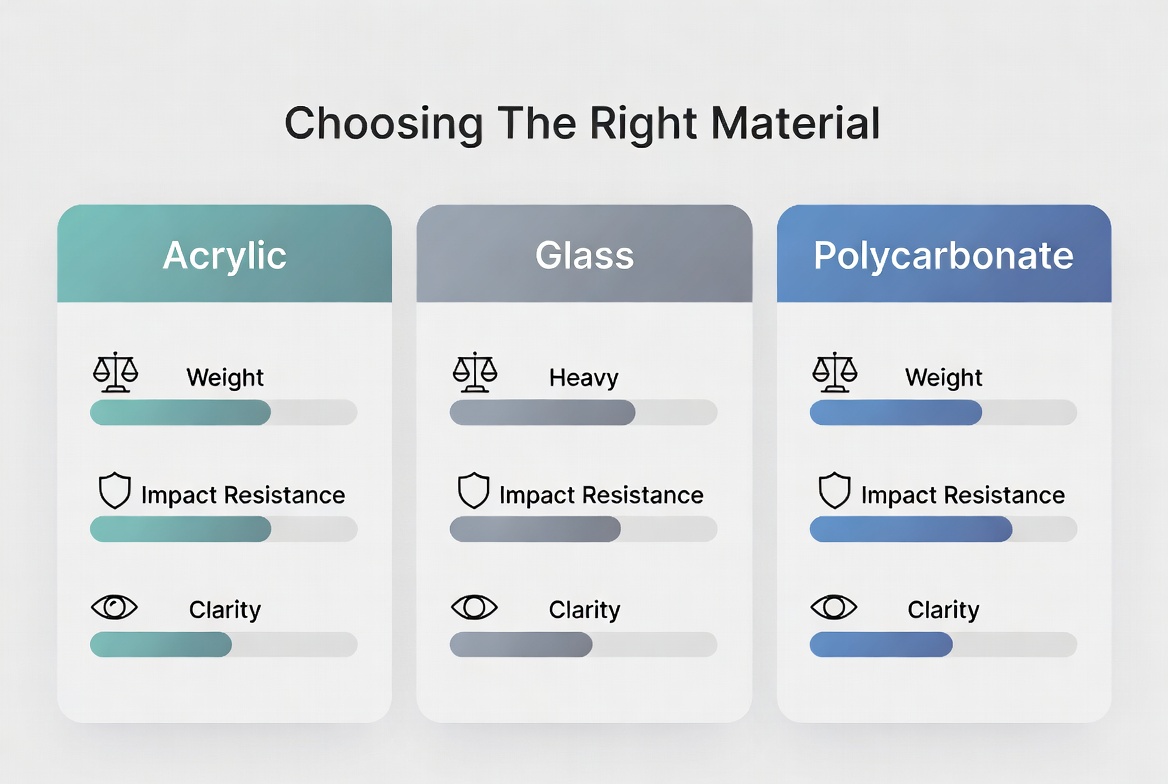
>> Acrylic vs. Glass vs. Polycarbonate (Quick View)
● Real‑World Applications Where Acrylic Sheet Excels
● How Gokai Supports OEM Acrylic Sheet Projects
● Practical Selection Criteria for Acrylic Sheet Buyers
>> 1. Define Performance Requirements
>> 2. Confirm Fabrication and Tolerance Needs
>> 3. Plan for Logistics and Long‑Term Supply
● Best Practices for Cleaning and Protecting Acrylic in the Field
>> Handling and Installation Tips
● Expert Insights – When Acrylic Is Not the Best Choice
● How Gokai Helps You Get the Most from Acrylic Sheet
● Call to Action: Talk to an Acrylic Sheet Expert at Gokai
● Frequently Asked Questions About Acrylic Sheet
In more than 10 years of specifying materials for display systems, protective glazing and lighting projects, I've seen one material consistently deliver a balance of clarity, impact resistance and cost efficiency: acrylic sheet. Compared with glass and many other plastics, acrylic gives OEM buyers and fabricators a rare mix of design freedom, durability and ease of processing—especially when you work with a specialist acrylic sheet supplier like Gokai that understands real‑world production constraints. [blog.saleslayer]
In this guide, I'll walk through the key advantages of acrylic sheet, where it makes the most sense to use it, and what you should know before choosing a supplier for OEM and custom projects.
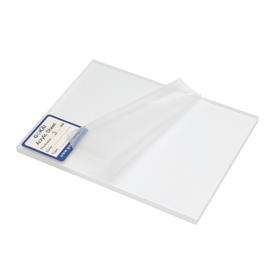
Acrylic (PMMA – polymethyl methacrylate) is a transparent thermoplastic that is often used as a lightweight, shatter‑resistant alternative to glass. It is widely known under trade names like Plexiglas®, Perspex® or Lucite®, but technically all of these refer to the same family of acrylic materials.
Because acrylic is a thermoplastic, it softens when heated and hardens again when cooled, which makes it easy to fabricate, thermoform and recycle in industrial environments. [blog.saleslayer]
From a manufacturing and engineering point of view, acrylic sheet offers several practical benefits that directly affect costs, safety and design flexibility.
One of the biggest day‑to‑day advantages of acrylic sheet is that it can be cut, drilled and machined using tools similar to those used for wood and soft metals. When heated, acrylic becomes malleable and can be formed into complex shapes using relatively simple molds made from wood or plastic, which helps keep tooling costs low for OEM runs and custom projects. [blog.saleslayer]
At Gokai, we regularly see customers reduce their prototype and tooling budgets by choosing acrylic over glass or metals, simply because the material is so straightforward to process at scale.
Typical fabrication options include:
- Cutting (CNC routing, laser cutting)
- Drilling and tapping
- Thermoforming and bending
- Polishing and edge finishing
- Printing and coating
For buyers, this means you can move from design to production faster, without needing exotic tooling or highly specialized equipment.
Acrylic is approximately 50% lighter than glass of the same thickness, while still offering around 10 times the impact resistance. This matters in real applications: installers can handle larger panels more easily, freight costs drop, and the risk of breakage during transport or installation is significantly lower. [athenaswc]
When acrylic does break under extreme impact, it tends to fracture into large, dull‑edged pieces rather than sharp shards like glass, which is a major safety benefit for shower doors, rink enclosures, guards and partitions.
Where the light‑weight, high‑strength advantage is critical:
- Machine guards and safety shields
- Retail fixtures and POP displays
- Stadium, rink and field enclosures
- Interior glazing and partitions
- Transportation and vehicle interiors
For OEM buyers, this combination of weight reduction and safety can be a direct contributor to lower lifecycle costs and fewer warranty issues.
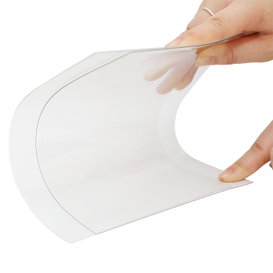
High‑quality acrylic sheet offers optical clarity comparable to glass and is well‑known for maintaining its transparency over time, with less yellowing than many other plastics exposed to sunlight. Its light transmittance can reach levels similar to clear glass, making it a solid choice wherever aesthetics and visibility matter.
This is why acrylic is widely used in display windows, screens, tanks and lighting diffusers, where both clarity and durability are required. [attractandengage.co]
Common clarity‑critical uses of acrylic sheet:
- Retail display windows and cases
- Signage and illuminated boxes
- Aquarium and tank panels
- Protective screens and barriers
- Automotive and electronic displays
If you are designing a product where visual impact is a selling point, acrylic allows you to combine clear visibility with long‑term performance.
From a facility and maintenance perspective, acrylic sheet is relatively low‑maintenance—provided it is cleaned correctly. For light soiling, a wet microfiber cloth and mild soapy water are usually sufficient. It is important to avoid rough paper towels and abrasive particles, as these can cause surface scratching.
A key best practice is to avoid ammonia‑based household glass cleaners, which may cause clouding or micro‑cracks in the surface over time. Many professionals use dedicated acrylic care products (for example, Novus‑type polishes) to remove fine scratches and keep the surface looking new.
Basic care guidelines for acrylic sheet:
1. Use a soft, clean, non‑abrasive cloth (preferably microfiber).
2. Clean with mild soap solution or a dedicated acrylic cleaner.
3. Rinse with clean water and gently blot dry.
4. Avoid ammonia, solvents and harsh chemicals.
These simple practices help extend the useful life and visual quality of acrylic in high‑touch environments such as stores, public spaces or industrial facilities.

From an engineering and procurement standpoint, it's rarely about one material being "perfect" for everything. Instead, you look for the best fit for the actual application. Acrylic sheet often wins against glass and some other plastics in these scenarios. [athenaswc]
Below is a simple comparative overview to support technical and purchasing discussions:
| Property / Material | Acrylic Sheet | Glass | Polycarbonate |
|---|---|---|---|
| Weight | About 50% lighter than glass of same thickness | Heavy, especially in large formats | Slightly lighter than acrylic in many grades |
| Impact resistance | Around 10× stronger than glass | Brittle, shatters into sharp pieces | Very high impact, higher than acrylic |
| Optical clarity | Excellent clarity, good long‑term transparency | Excellent clarity, can be heavier and brittle | Good clarity, may scratch more easily |
| Cost | Generally lower than glass for complex shapes | May be cheap in simple forms, costly to process | Usually higher material cost than acrylic |
| Machinability | Easy to cut, drill, form with standard tools | Difficult and risky to machine or drill | Requires more care in machining |
| UV/weathering | Good weather resistance with suitable grade | Can be affected by thermal stress cracks | Requires UV‑stabilized grades outdoors |
For OEM and fabrication projects, acrylic tends to offer the best mix of clarity, machinability and cost when polycarbonate's extreme impact resistance is not strictly required.
Because acrylic sheet is so versatile, it has become an industry standard in many sectors. Based on common customer use cases, here are some of the best‑fit applications: [attractandengage.co]
- Retail & brand environments
Display cases, shelves, signage, light boxes and branded fixtures where transparency and clean edges matter.
- Architectural & interior design
Partitions, balustrades, decorative panels and skylights that benefit from lighter weight and formability.
- Industrial & manufacturing
Machine guards, control panel covers, safety shields and process observation windows.
- Transportation & mobility
Interior panels, light diffusers and protective screens in vehicles and public transport.
- Aquariums & specialty tanks
Panels and enclosures requiring clarity, durability and resistance to impact and water.
In each of these, buyers value acrylic's combination of appearance, safety and ease of fabrication across both small batches and large OEM orders. [blog.saleslayer]
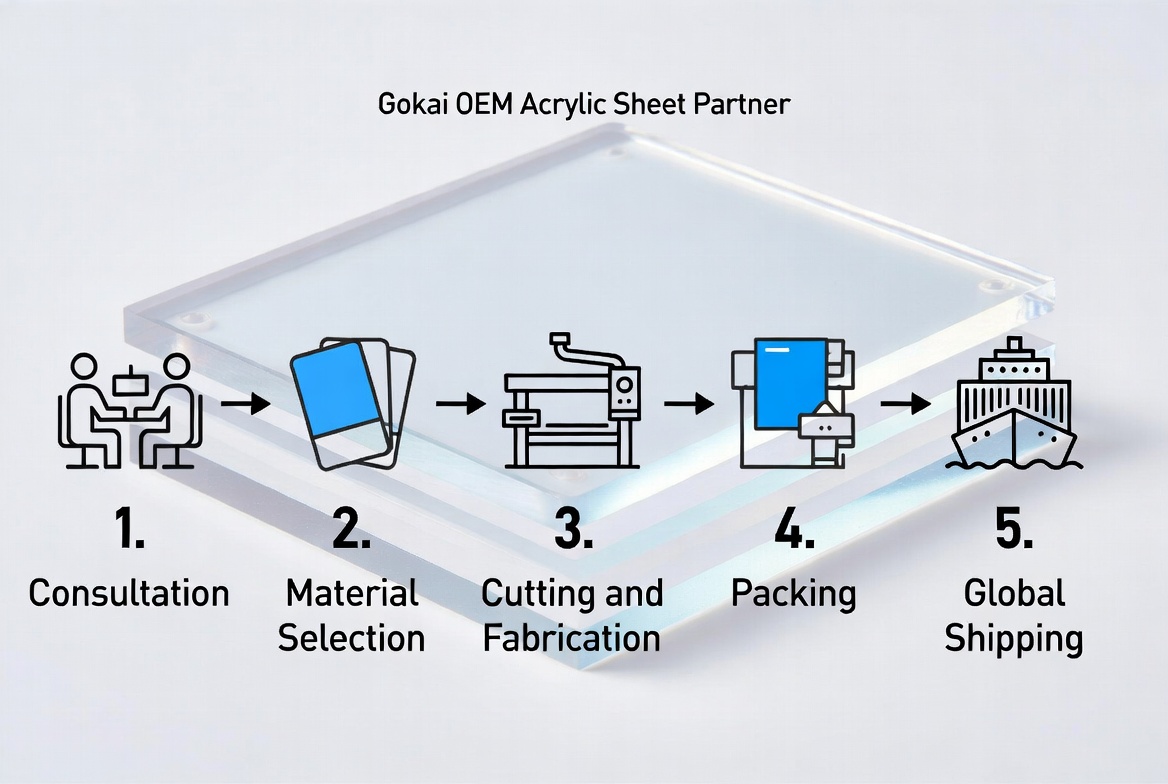
One of the most overlooked "advantages of acrylic" in real projects is not just the material itself—but the capabilities of the supplier behind it. This is where Gokai can add real value as your OEM acrylic sheet partner.
From an OEM perspective, selecting a supplier that understands both material science and manufacturing workflows is crucial. Gokai focuses on: [athenaswc]
- Global OEM supply – support for customers in multiple regions with export‑ready packaging and documentation.
- Custom sizes and colors – tailored sheet dimensions, thicknesses and color matching to brand or project specifications.
- Fabrication support – pre‑cutting, edge finishing and basic processing to reduce your in‑house workload.
- Batch consistency – controlled production for repeat orders, ensuring stable color and thickness from run to run.
By integrating more of the processing upstream, OEM customers can shorten their time‑to‑market and reduce total landed cost per project. [blog.saleslayer]
When I work with purchasing and engineering teams, I usually recommend defining a short, practical checklist before locking in an acrylic solution. This not only improves the technical outcome but also prevents surprises after installation.
Before you choose thickness or grade, be clear about:
- Impact and safety requirements (e.g., public spaces vs. enclosed machinery).
- Indoor vs. outdoor exposure and UV stability needs.
- Thermal and chemical exposure (cleaners, industrial environments).
This information allows your acrylic supplier to recommend the right material grade and thickness rather than a generic "one‑size‑fits‑all" sheet. [athenaswc]
Share your fabrication plan with your supplier:
- Will you laser cut or CNC route?
- Do you need holes, slots, countersinks or edge finishing?
- What are your tolerance limits on thickness and dimensions?
OEM‑experienced suppliers like Gokai can then advise on optimal sheet formats and surface protection to minimize waste and defects.
For global buyers, logistics are as critical as the material spec. [blog.saleslayer]
- Check available sheet sizes and packing methods for container loading efficiency.
- Align expected order frequency with production cycles to keep color and thickness consistent.
- Discuss stocking or safety‑stock options if your demand is volatile.
This collaborative planning helps keep your production lines running smoothly while avoiding emergency purchases at higher spot prices.
Even the best material can fail prematurely if it is not handled correctly. Acrylic sheet is no exception, and real‑world feedback from users highlights a few recurring issues: scratching due to improper cleaning, chemical damage, and mechanical stress.
- Keep protective film on as long as possible during fabrication and installation.
- Avoid dragging panels across rough surfaces; always lift or use protective padding.
- Use fasteners and mountings that allow for thermal expansion, especially outdoors.
- Schedule regular, gentle cleaning with approved products.
- Train staff or clients not to use abrasive pads or strong solvents.
- For high‑contact areas, consider polishable grades or plan for periodic refinishing.
These simple steps help preserve both the optical performance and surface finish of your acrylic installations over many years.
From a trusted‑advisor perspective, one of the hallmarks of E‑E‑A‑T‑aligned content is being honest about a material's limitations. Acrylic is not always the right answer. [blog.hubspot]
You may want to reconsider acrylic if:
- Extreme impact is required (for example, anti‑vandal or ballistic applications) – polycarbonate might be more suitable. [athenaswc]
- Very high temperature or exposure to aggressive chemicals is expected – certain engineering plastics or glass may perform better.
- Deep scratches or heavy abrasion are unavoidable – hard‑coated acrylic or alternative materials may be needed.
In these cases, an experienced supplier can still help by explaining trade‑offs and, where appropriate, combining acrylic with other materials in a hybrid solution.
Choosing acrylic sheet is not just a material decision; it is a strategic sourcing decision that impacts performance, cost and brand perception.
By working closely with Gokai, OEM buyers and project owners can benefit from:
- Material recommendations by application, based on real project experience.
- Flexible order quantities, from trial runs to large‑scale production.
- Consistent quality control and export‑ready packaging.
- Optional OEM services such as cutting, drilling and simple fabrication to reduce in‑house workload.
Whether you are developing a new product line, redesigning a fixture system or sourcing replacement panels, having a specialized acrylic sheet partner behind you can make the difference between a good result and a truly durable, cost‑effective solution. [athenaswc]
If you are currently comparing material options or planning a new acrylic‑based project, now is the ideal time to get expert input.
Contact the Gokai team to discuss your application, technical requirements and OEM needs. Our specialists can help you choose the right acrylic sheet grade, optimize sizes for your production process, and organize reliable global shipment to your facility.
1. Is acrylic sheet as clear as glass?
Yes, high‑quality acrylic sheet offers optical clarity comparable to glass and maintains high transparency over time, with less yellowing than many other plastics when exposed to sunlight.
2. How much lighter is acrylic than glass?
Acrylic is roughly 50% lighter than glass of the same thickness, which makes handling, installation and shipping easier and often reduces total project cost.
3. Can acrylic sheet be used outdoors?
Yes, many acrylic grades perform well outdoors and provide good weather resistance, especially when you choose UV‑stabilized material and follow proper installation and maintenance guidelines. [athenaswc]
4. What is the best way to clean acrylic?
Use a soft microfiber cloth and mild soapy water or a dedicated acrylic cleaner; avoid ammonia‑based products and abrasive pads to prevent scratching and clouding.
5. Is acrylic better than polycarbonate?
It depends on the application: acrylic typically offers better optical clarity and lower cost, while polycarbonate provides higher impact resistance; an expert supplier can help you choose the right material for your specific project. [athenaswc]
1. Acme Plastics – *The Advantages of Acrylic Plastic*
<https://www.acmeplastics.com/content/advantages-acrylic/>
2. Google Search Central – *Creating Helpful, Reliable, People‑First Content*
<https://developers.google.com/search/docs/fundamentals/creating-helpful-content> [developers.google]
3. iodigital – *Google E‑E‑A‑T: creating content that puts people first*
<https://www.iodigital.com/en/insights/blogs/google-e-e-a-t-creating-content-that-puts-people-first> [iodigital]
4. Athena SWC – *SEO for Plastics Manufacturing: Keys to Success*
<https://www.athenaswc.com/resources/blog/seo-for-plastics-manufacturing-keys-to-success/> [athenaswc]
5. Sales Layer – *SEO for Manufacturing Companies: The 2026 Strategy Guide*
<https://blog.saleslayer.com/seo-for-manufacturing-companies> [blog.saleslayer]
6. Onely – *How To Rewrite an Old Blog for Better AI Ranking*
<https://www.onely.com/blog/how-to-rewrite-an-old-blog-for-better-ai-ranking/> [onely]